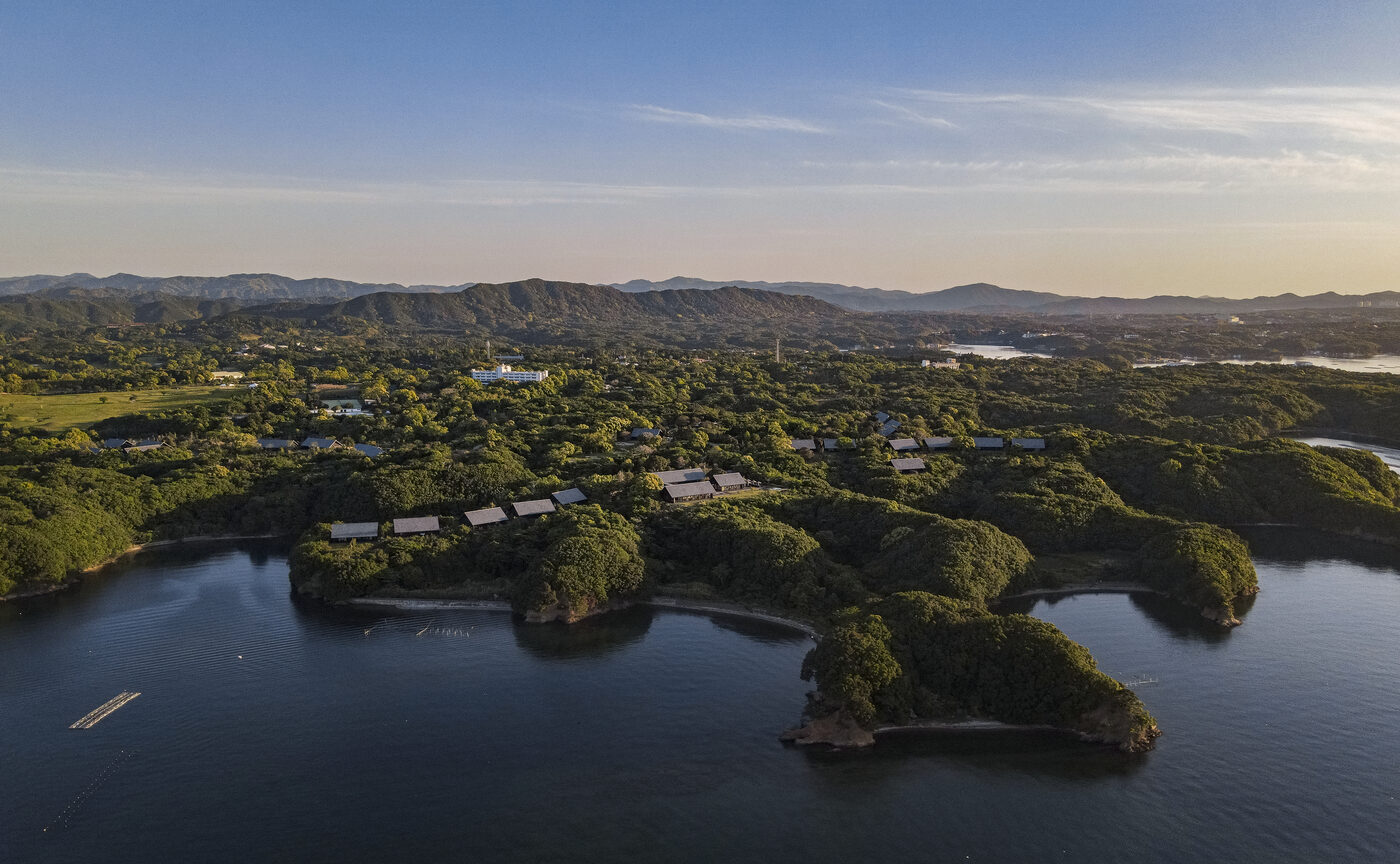
Amanemu has folded nine of Ise-Shima’s private programmes into the room rate. Guests choose one for every night they stay.
Ama-no-Iwato sits at a site knotted into the founding legends of Ise Jingu. A local guide walks guests to the falls and the water does the work. Standing under it is a purification rite, and it is now one of nine things a guest at Amanemu can ask for on any given morning.
The arithmetic is plain. One private experience for each night booked. Reservations confirmed before 13 May 2026 fall outside the arrangement, and a supplement applies to anyone who wants the programmes added to an older booking.
The list reaches across the peninsula. Lunch at an ama hut on Ago Bay, grilled over charcoal, with the divers telling their own stories. A half day at the Naikū, the Inner Shrine of Ise Jingu, followed by a walk through the shopfronts of Oharaimachi. A separate visit to the Gekū, dedicated to the deities of food, clothing and shelter, along an approach lined with old trade.
Then a sunset cruise on the bay, pearl jewellery made at Kashikojima from local stock, a workshop in gikakushi, and a guided climb to the summit of Gokasho-Sengensan for the view down the ria coastline. There is also a morning spent as a ujiko, a shrine parishioner, taking part in purification and offerings and receiving a goshuin stamp at the end.
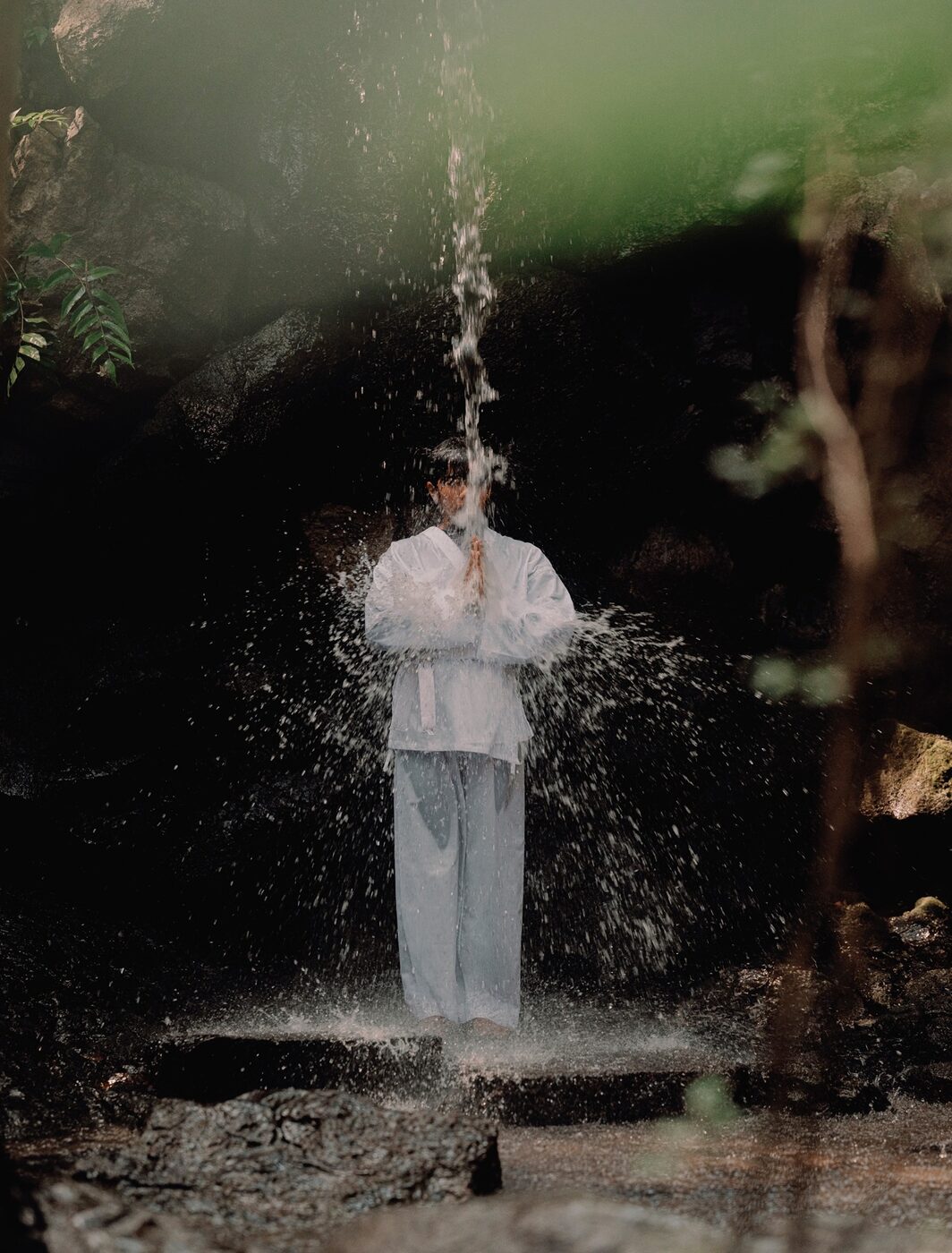
Waterfall purification at Ama-no-Iwato · Courtesy of Aman
The bay
Ago Bay has been worked by the ama for centuries. They are women, they dive without tanks, and they bring up shellfish and seaweed by breath alone. The pearl trade grew out of the same water, and Kashikojima still sells what the bay produces.
Amanemu sends guests to the huts where the divers rest and eat between dives. The seafood goes straight onto charcoal. The talk is the reason to be there.
Ise-Shima has been receiving pilgrims for well over a thousand years. Amanemu has put nine of its rituals on the room rate.
The Splendid EditIse
Ise Jingu dates to the third century and holds the highest standing of any shrine in Japan. Guests can enter with a guide, wear kimono for morning prayers, watch the ritual dance offered to the deities, and see parts of the sanctuary that stay closed to the general visitor.
The Kumano Kodo routes run out from the same region. They have carried pilgrims for more than a thousand years and are protected by UNESCO. Amanemu walks sections of them, and the forests around Izawa-no-miya are used for guided breathing and meditation.
At dusk on Tuesdays and Saturdays, Sai-shi Mai is performed on the Sunken Terrace with Ago Bay behind it. The dance is Shinto, passed down through generations, and it asks for a good harvest and for peace.
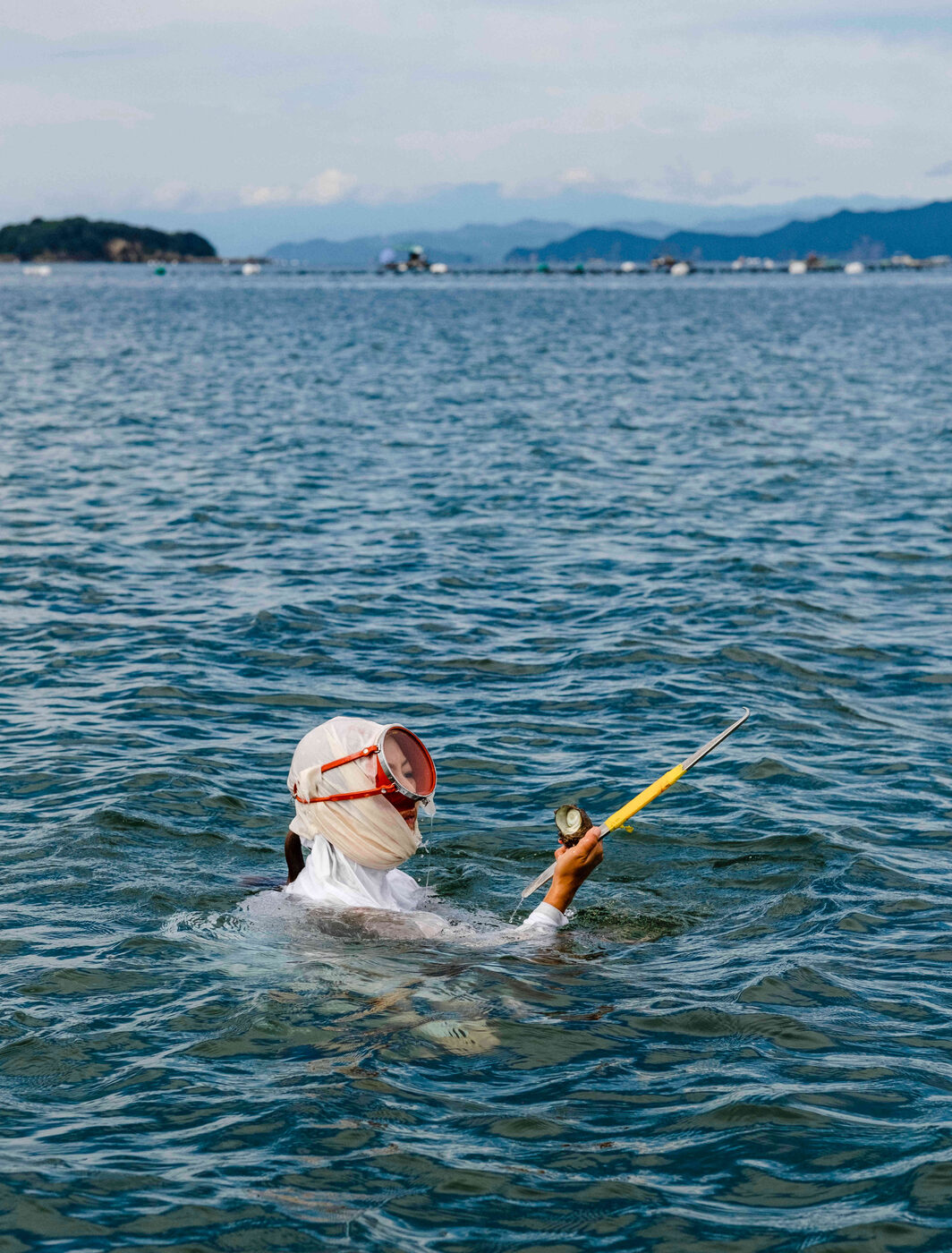
An ama diver in Ago Bay · Courtesy of Aman
The water
The spa runs to 2,000 square metres and is built around a hot spring bath fed from the Ise-Shima source. There is a thermal spring garden with daybeds, four treatment suites, two private onsen pavilions, an Aqua Movement Suite for water work, and a hydrotherapy block with dry sauna and steam room.
Kampo shapes much of the treatment menu. The practice descends from Chinese medicine that reached Japan in the fourth century and has been reworked here ever since around herbs and balance. Pearl powder, seaweed and local plants go into the blends. New medicinal baths in the private pavilions follow the same logic, with three formulations drawn from the elements of Eastern medicine.
The thermal spring is open from eight in the morning until ten at night, with last entry at nine. Acupuncture, shiatsu and moxibustion are all offered. Watsu happens in the dark water of the movement suite.
The house
Kerry Hill Architects built Amanemu and it opened in 2016. Twenty-four suites and four villas stand as separate low pavilions under tiled roofs, walls in dark-stained Japanese cedar, following the lines of a minka farmhouse. Screens and sliding doors use kumiko joinery, a technique that goes back to the seventh century.
Each suite and villa has its own onsen bath. The villas take up to six guests and are named Tsuki, Mori, Sora and Nagi; the suites carry three of the same names and pair a bedroom with a living area. Bay views or garden views, and terraces on all of them.
Stays include breakfast and dinner, afternoon oyatsu in the Lounge between half past two and half past four, and in-room refreshments that stretch to alcohol. Transfers from Kashikojima Station run both ways.
Arrival
Chubu Centrair in Nagoya is the nearest airport. From there it is thirty-five minutes by helicopter or three hours by train. Coming from Tokyo Station, the Shinkansen takes an hour and forty minutes to Nagoya, then two hours and twenty minutes by train or car.
The waterfall was there before the shrine, and the shrine has stood since the third century. Guests now walk to both in the morning and are back at Ago Bay by the time the light goes.
Inclusions, eligibility dates and programme details are as published by Aman and remain subject to change. Details through aman.com.
Photography courtesy of Aman — © Aman, Amanemu, Japan