Copenhagen's fashion landscape extends far beyond a single aesthetic. The city hosts spaces where commerce and artistry blur into something more experimental. Concept stores sit alongside heritage department stores. Designer ateliers function as galleries. Each location tells a different story about how clothes move through the city.
Storm Fashion remains the anchor point for Copenhagen's fashion consciousness. Located near Strøget, the continent's longest pedestrian shopping street, Storm operates as a concept space where emerging labels share floor space with established names. Wales Bonner hangs beside Sacai. Local brands Soulland and Mfpen occupy the same shelves. The store has collaborated with artists beyond the fashion realm, creating exhibitions that blend visual art with product. These partnerships have included high-profile names like Billie Eilish, transforming the space into something between gallery and marketplace.
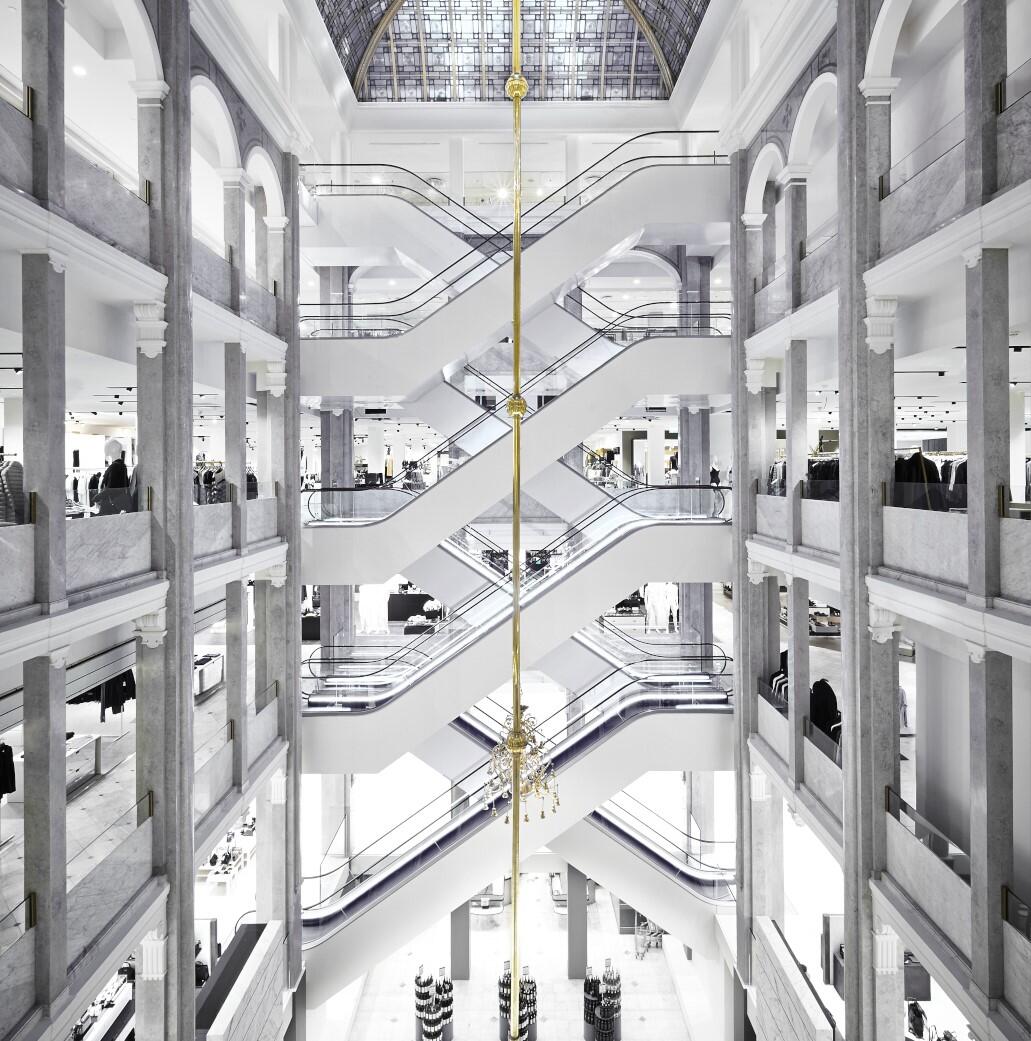
Illum operates on a different scale. The five-storey department store has stood in Copenhagen for over 125 years, surviving changes in retail, taste, and geography. The space resists the typical department store formula. Each floor functions more like a curated exhibition than a traditional buying experience. Marimekko occupies dedicated space. CPHFW rising names rotate through seasons. The rooftop restaurants offer panoramic views of the city, creating a destination beyond shopping.
"Copenhagen's fashion stores function as cultural anchors, not just retail destinations. They shape how the city sees itself."
Swedish brand Toteme arrived in Copenhagen in November 2024, opening a womenswear outpost near Rosenborg Castle Gardens. The brand's approach to tailoring and proportion has attracted an international audience beyond its Scandinavian base. The Copenhagen location signals the brand's commitment to a specific geographic identity, choosing location alongside design as a primary statement.
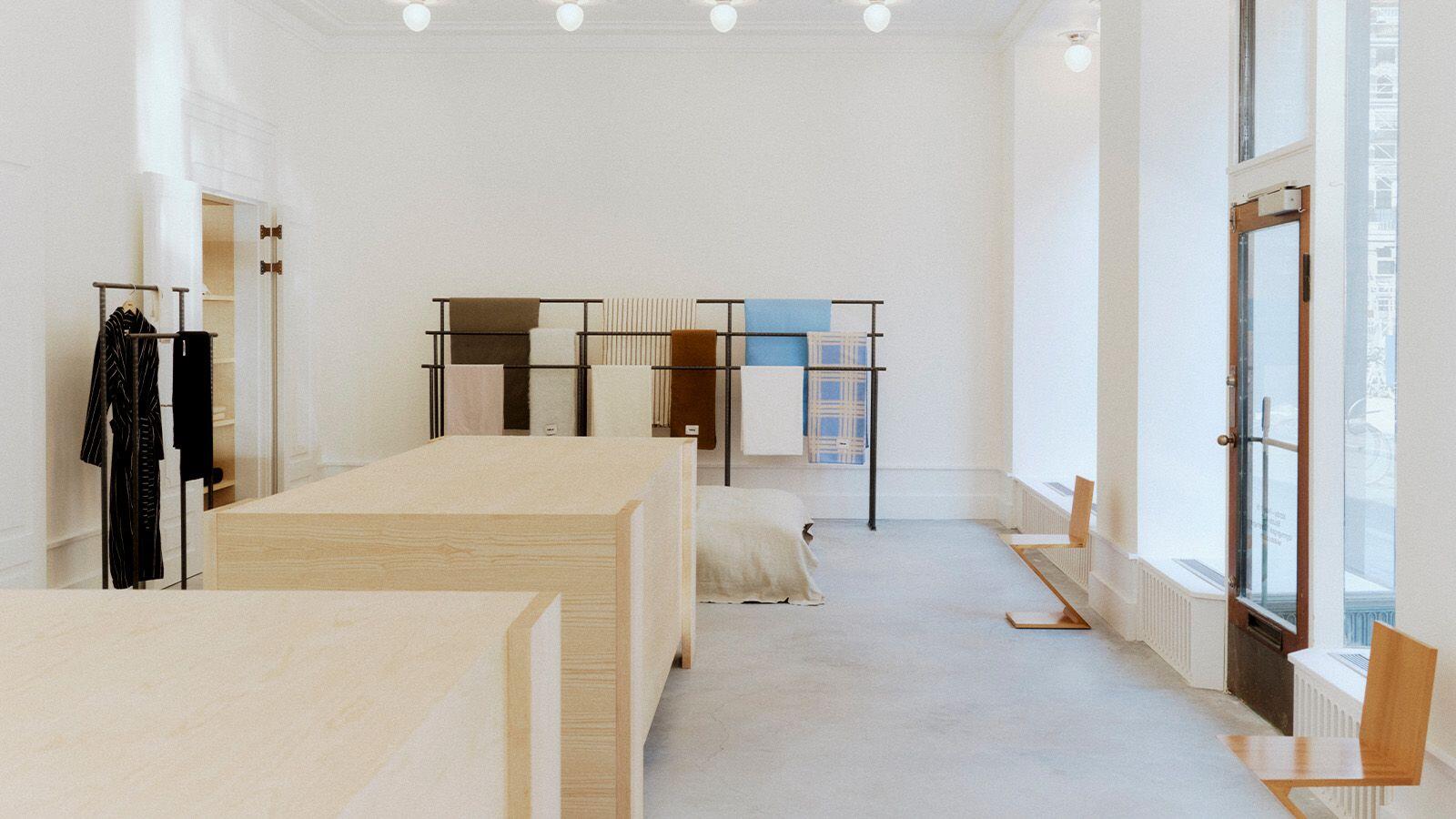
Tekla operates from a different vantage point entirely. The Danish textile label occupies the historic Egmont Building, a serene space that reflects founder Charlie Hedin's design philosophy. The store sells sleepwear, bedding, and bathroom textiles designed with contemporary architecture in mind. The spatial arrangement feels more like entering someone's private home than a commercial space. Tekla treats textiles as primary design material rather than secondary product category.
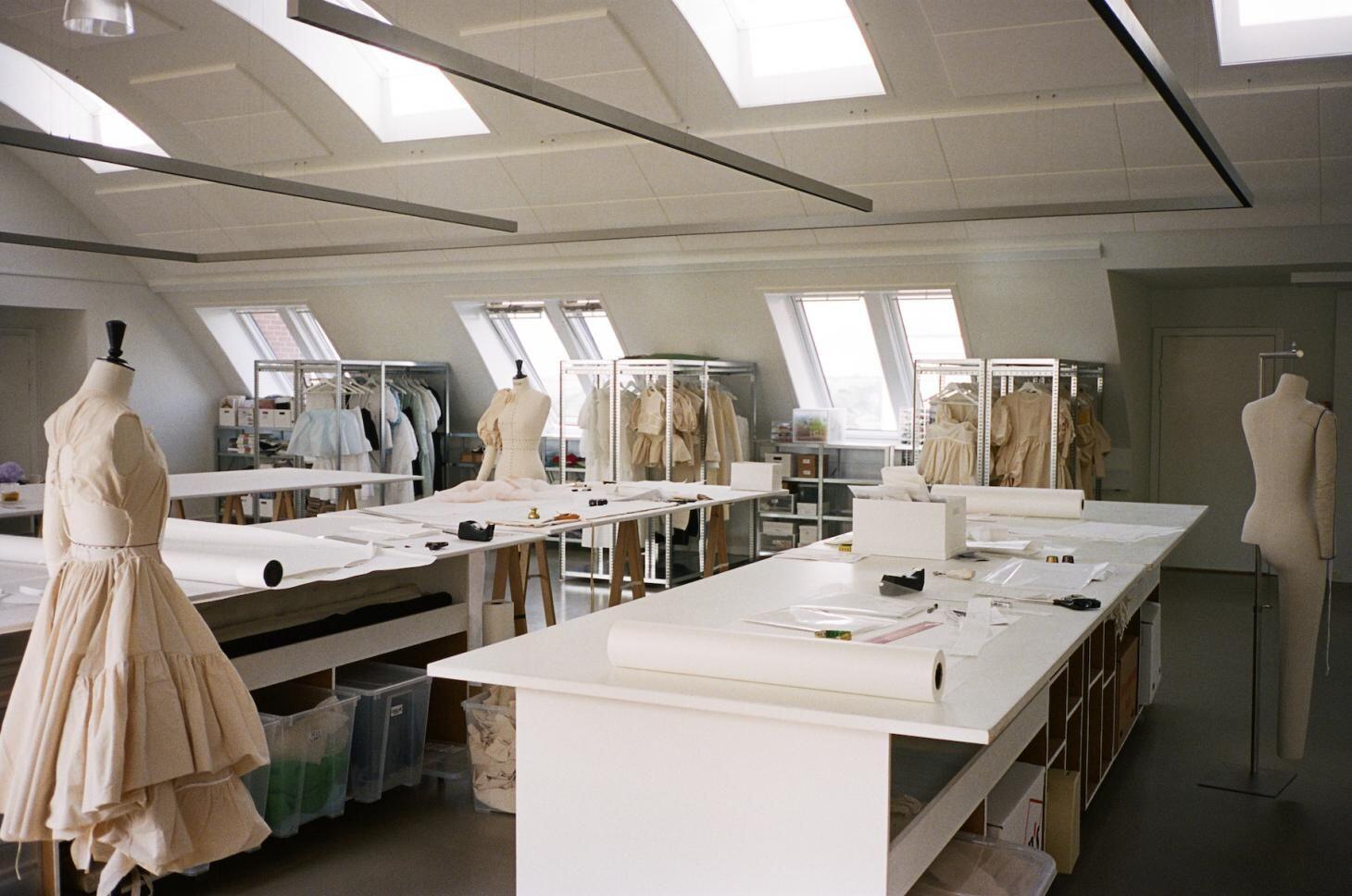
Cecilie Bahnsen's Copenhagen headquarters functions as atelier, office, and appointment space rather than traditional retail. The space features mirrored glass meeting rooms and polished stainless steel furniture by Magniberg. Glass vases by Nina Nørgaard sit on surfaces catching northern light. The founder established her label in 2015, achieving recognition as an LVMH Prize finalist in 2017. Her work centers on sculptural, feminine silhouettes constructed from technical fabrics. The headquarters reflects this philosophy. Design shapes the space as deliberately as it shapes her clothing.
By Malene Birger and NN.07 round out Copenhagen's fashion identity. Both labels operate with design clarity that extends from product to spatial presentation. The city attracts designers who treat clothing as architectural object rather than trend commodity. This philosophy shapes how stores present themselves. Copenhagen's fashion spaces reward slow looking. They demand genuine engagement. They ask visitors to reconsider what shopping signifies.
The city's retail landscape ultimately reflects Copenhagen's broader cultural position. Small scale. Refined taste. Design-driven thinking. Sustainability through longevity. These values appear not just in clothes but in the spaces where clothes live. Copenhagen dresses itself through stores that understand fashion as cultural practice rather than commercial necessity.