At Milan's Palazzo delle Scintille, Demna unveiled his first runway collection for Gucci beneath the gaze of plaster antiquities and travertine walls, delivering a show that was equal parts fashion statement and cultural declaration. The message was clear before a single model appeared: this Gucci would worship at the altar of sensuality, and it would do so with absolute conviction.
The appointment of Demna to Gucci was one of the more polarising announcements of recent seasons. Here was a designer who had built his reputation at Balenciaga through irony, subversion, and a deliberate ugliness that delighted as often as it provoked. To place him at the helm of a house whose identity is so deeply woven with glamour, sex appeal, and Italian maximalism seemed, to some observers, a provocation in itself. The February 28 show at Palazzo delle Scintille answered every question anyone had been asking since the news broke.
A museum of desire
The set alone told you everything about Demna's intentions. Guests climbed a staircase into a vast hall clad in Stoneleaf, an innovative material made from ultra-fine sheets of Italian marble bonded onto fibreglass and transparent resin. Plaster recreations of ancient sculptures from the Uffizi populated the space like silent witnesses. The effect was monumental, reverential, and deliberately theatrical. Demna titled the show "Gucci Primavera," invoking both Botticelli and rebirth with a single word.
Backstage, Demna spoke of the monumental setting as an expression of how he views Gucci — with reverence rather than irony. The staging landed with purpose. He was not here to deconstruct the house. He was here to elevate what it had always been about and push that energy forward with new force.
The Ford question
Any conversation about sensuality at Gucci leads back to Tom Ford. The shadow of his mid-nineties revolution loomed over this collection, and Demna made no attempt to sidestep it. He walked directly into the comparison and made it his own. Body-conscious silhouettes dominated the runway. Seamless white minidresses in hosiery fabric clung to models like a second skin. Boot-cut trouser suits recalled Ford's sharp tailoring from those early collections. Pencil skirts cut with precision sat alongside fluid low-cut jackets that moved between boardroom authority and after-hours allure without choosing one over the other.
But where Ford's Gucci traded in the glossy aspiration of nineties supermodel culture, Demna's version carries a different charge. The sensuality here is less polished, more immediate. Shrunken muscle tees on male models. Strategic hip cutouts on leggings. Metallic jeans paired with sequined tops for what could only be described as club-ready dressing elevated to runway vocabulary. Demna described the collection's cast as a series of archetypes, and they walked accordingly: the Gucci boy, the Gucci girl, the nightlife crowd in their glittering coordinates.
At Gucci, Demna has chosen sincerity over irony — the desire here is not performed with a wink, and the glamour is not deconstructed but celebrated on unapologetic terms.
Elena Voss, The Splendid EditAccessories and archival echoes
The accessories told their own story of continuity and reinvention. The Bamboo 1947 bag returned with updated flexible leather handle sections, acknowledging one of the house's most recognisable codes while giving it a contemporary edge. Archival minaudires were modernised for the way people actually carry things now. And the Manhattan sneaker, a hybrid of basketball shoe and slip-on silhouette, signalled a deliberate play for the younger consumer without surrendering an ounce of the collection's sophistication.
Horse-bit spike heels nodded to one of Gucci's oldest motifs while pushing it into territory that felt genuinely new. There was a sense throughout the accessories lineup that Demna understood the difference between referencing heritage and being held captive by it. Every piece acknowledged the archive but refused to be limited by nostalgia.
The finale and the front row
The front row itself was a kind of casting statement. Donatella Versace. Alessandro Michele, Demna's predecessor (by way of Sabato De Sarno), watching from the audience with visible curiosity. Demi Moore, Paris Hilton, Emily Ratajkowski in a sparkling mini. The rapper EsDeeKid and underground artists Nettspend and fakemink, the latter of whom paused mid-walk to check his phone in a moment that felt entirely unscripted and entirely on brand for what Demna was building.
And then the close. Kate Moss, walking in a dramatic backless black gown accented with a white gold GG thong set with ten carats of diamonds. The reference to Ford's legendary Spring/Summer 1997 collection was unmistakable and intentional. Moss had been there for that moment nearly thirty years ago. Bringing her back to close this one said everything about where Demna sees the line between homage and evolution. The past is not something to escape. The past is raw material.
What it means
The collection was not without its critics. Some found the Ford references too direct, the sexuality too unfiltered for a moment in fashion that has trended toward intellectual distance and conceptual layering. But that reading misses the point. Demna has spent years operating in the register of irony. At Gucci, he has chosen sincerity. The desire here is not performed with a wink. The glamour is not deconstructed. The body is celebrated on terms that feel unapologetic, generous, and alive to the fact that fashion's most enduring power has always been the ability to make people feel something physical.
Demna has described his vision for Gucci as a place where heritage and fashion coexist not as opposites but as natural partners. As a thesis for a debut collection, you could do a lot worse. As a first act at one of fashion's most storied houses, it was bold, coherent, and delivered with the kind of confidence that comes from knowing exactly what you want to say. Milan is watching. The second act will be fascinating.
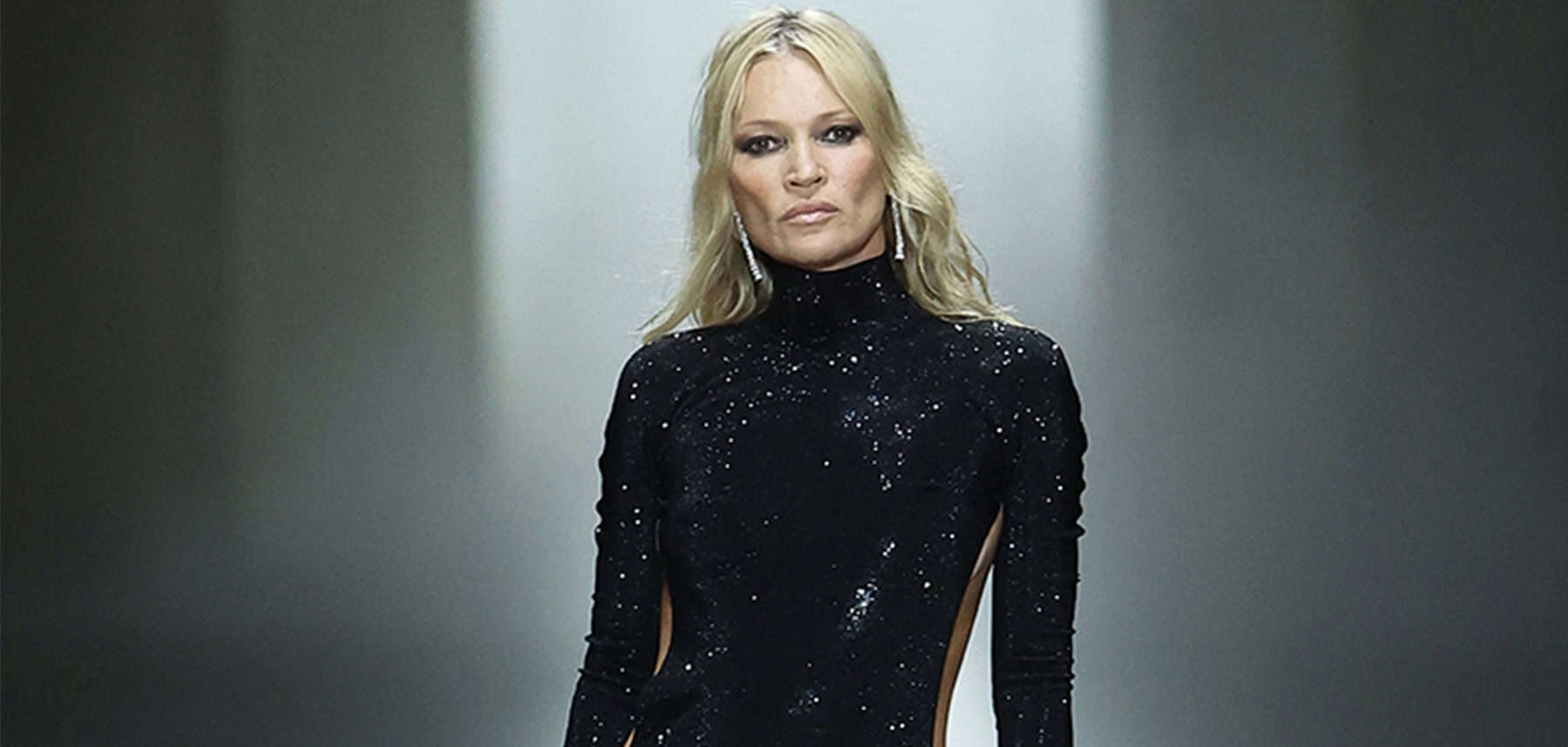
Photography courtesy of Gucci / 10 Magazine