
Design Shanghai runs from 19 to 22 March at the Shanghai Exhibition Centre. The thirteenth edition brings over 500 brands from 20 countries. The theme is On the Stage. It examines intersections between craft, fashion, interiors, and the everyday object. The premise is simple. Heritage techniques find new life in modern iterations. The execution is anything but.
The fair organises itself across five sections: Talents, Made in JDZ, Beyond Craft, Collectible Design & Art, and Materials First. Each section frames a different conversation. Together they articulate a position that has been building in Chinese design for a decade. The past is not something to escape. It is raw material.
Shang Xia, the Shanghai-born house founded under the stewardship of Hermès, anchors the fair's fashion-meets-craft thesis. The brand translates centuries-old Chinese artisan techniques into contemporary furniture, objects, and clothing. Pusu shows alongside it with Ming-style furniture finished in lacquer. The surfaces are deep and still. The proportions follow the mathematical logic of classical Chinese woodwork. Past to Now completes the trio with furniture that traces its lineage directly through the canon of Chinese domestic design.
Made in JDZ
The ceramics section commands the most attention. Made in JDZ, curated by designer Ryan Ran, celebrates the city of Jingdezhen and its porcelain heritage. Jingdezhen has produced ceramics for over 1,700 years. It supplied the imperial court. It exported its wares across the Silk Road and into European royal collections. The city's kilns still fire today. The designers working from them now approach the material with a precision that their predecessors would recognise and a freedom they would not.
Handiceramics presents Emotion Edge, a geometric mug whose triangular base represents the coexistence of contradictory feelings. The form is sharp. The glaze is warm. Nearby shows Spherical Stem Cups, delicate porcelain vessels accented with ceramic beads that reference Song dynasty drinking vessels while functioning as contemporary tableware. Sheenyard demonstrates with Modest Light how traditional firing techniques can produce objects that hold warmth in modern domestic spaces.
The past is not something to escape. It is raw material. Jingdezhen's kilns fire the same clay they fired 1,700 years ago. The designers simply ask different questions of it.
Sienna CaldwellBeyond Craft
The Beyond Craft section gathers over ten brands working in jewellery, furniture, precision instruments, and decorative objects. The techniques on display span lacquer art, gold leaf application, washi paper, metal inlay, and Nishijin-ori weaving. Yamato presents washi paper and gold leaf creations that dissolve the boundary between surface and structure. Kubo Paper Studio reinterprets 1,300-year-old paper-making traditions. The sheets emerge from the process with a weight and texture that contradicts every assumption about paper as a fragile medium.
Yin Dahua merges Chinese joinery traditions with minimalist sculptural furniture. The joints are exposed. The geometry is clean. No adhesive, no hardware. The wood holds itself together through the intelligence of its construction. This is the argument the entire fair makes in miniature. Technical mastery serves contemporary design. Tradition becomes innovation not through rejection but through deeper understanding.
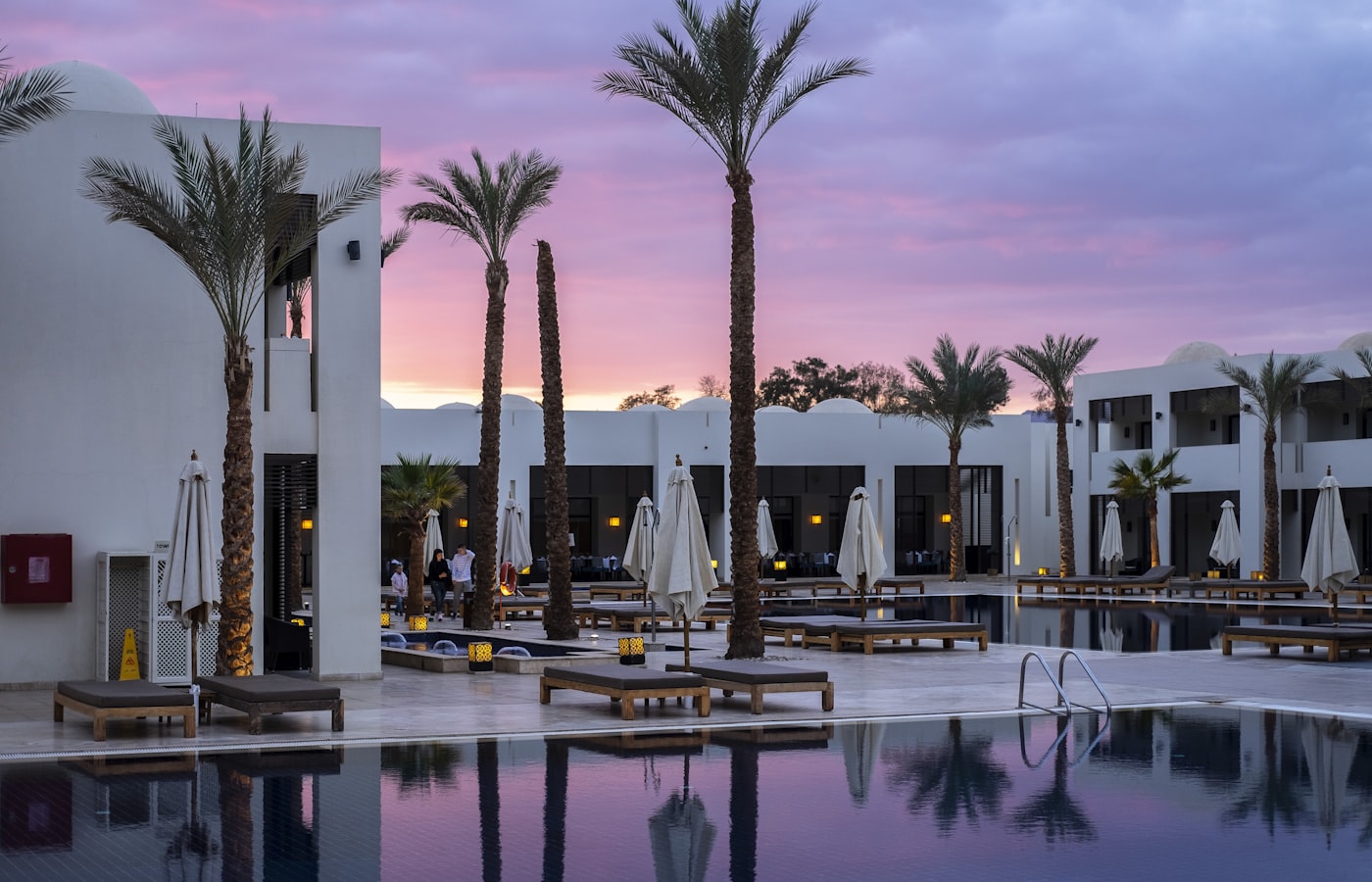
Design Shanghai positions craft at the centre of contemporary living. Unsplash
Materials and the international programme
The Materials First section introduces experimental surfaces, composites, and artisan finishes. Burgeree and Ecowel present cutting-edge sustainable materials. Emission and Hario Lampwork Factory demonstrate optical and handcrafted glass innovations. The work positions material science as a creative discipline rather than an industrial process.
Shanghai-based studio 12h presents its Record Cabinet, crafted from solid wood with midcentury influences. The piece is designed for a new generation of vinyl collectors. The studio describes its approach as slow design: Eastern aesthetics paired with modern manufacturing to produce furniture that outlasts the trend cycle that spawned it.
The international contingent is substantial. Roche Bobois brings French contemporary furniture. Lasvit contributes sculptural glass lighting from the Czech Republic. Reflections Copenhagen shows art deco glasswork. Baobab Collection adds sculptural scented objects from Belgium. VIPP brings Scandinavian minimalism. Villeroy & Boch and Liebherr anchor the European lifestyle offer. Miyazaki and Waldmann represent Japanese and German precision in furniture and lighting respectively.
Loewe, which staged its Crafted World exhibition in Shanghai two years prior, set the precedent for luxury houses engaging with the city's craft community. Jonathan Anderson's decision to bring the house's artisan archive to the Shanghai Exhibition Centre before Tokyo or London demonstrated the same instinct that drives the fair itself. Shanghai is where the conversation about craft and fashion is most alive. The audience here understands making. They grew up surrounded by it.
Design Shanghai 2026 confirms a shift that has been gathering force since the fair's founding in 2014. China no longer imports a design identity. It generates one. The ceramics of Jingdezhen, the joinery of Yin Dahua, the lacquer of Pusu, the paper of Kubo. These practices span centuries. The designers interpreting them now do so without nostalgia and without apology. The stage belongs to them.