The relationship begins in 1956. Grace Kelly marries Prince Rainier III wearing a gown assembled by the MGM costume department, but her civil ceremony dress comes from the house of Dior. The choice sets a precedent that holds for seventy years. The principality dresses in Dior. The house dresses for the principality.
Christian Dior himself understood Monaco before most of his contemporaries. He opened a boutique in Cannes in 1951, six years before his death. The Riviera clientele purchased differently from Paris. They wanted clothes that moved between a luncheon terrace and a harbour reception without a change. They wanted structure that survived heat. Fabrics that held their shape under Mediterranean light, which forgives nothing. The demands of this coastline sharpened the house's technical ambitions.
Grace Kelly became the principality's most visible ambassador for Dior. The photographs from the late 1950s establish a visual language still referenced today. A fitted coat in powder blue at the Palace balcony. A silk shantung dress at the Red Cross Gala. Each appearance reads as effortless. Each garment represents hundreds of hours of atelier work. The tension between visible simplicity and invisible complexity defines both the princess and the house.
The succession
After Christian Dior's death in 1957, Yves Saint Laurent inherits the house at twenty-one. His first collection, the Trapeze line, is worn by Princess Grace within weeks of its Paris presentation. The speed of adoption matters. Monaco functions as a proving ground. If the principality accepts a new direction, the rest of the world follows. Saint Laurent understands this instinctively. He sends pieces to the Palace before they reach the boutiques.
Marc Bohan, who leads the house from 1961 to 1989, becomes the architect of Dior's Monaco identity. He dresses Princess Grace for state occasions across three decades. He understands that royal dressing operates under constraints that commercial fashion ignores. The garments must photograph well from every angle. They must accommodate protocol. They must survive eight-hour days in summer heat without wilting. Bohan builds a vocabulary of tailored precision that serves the Palace and, through it, the house's global reputation.
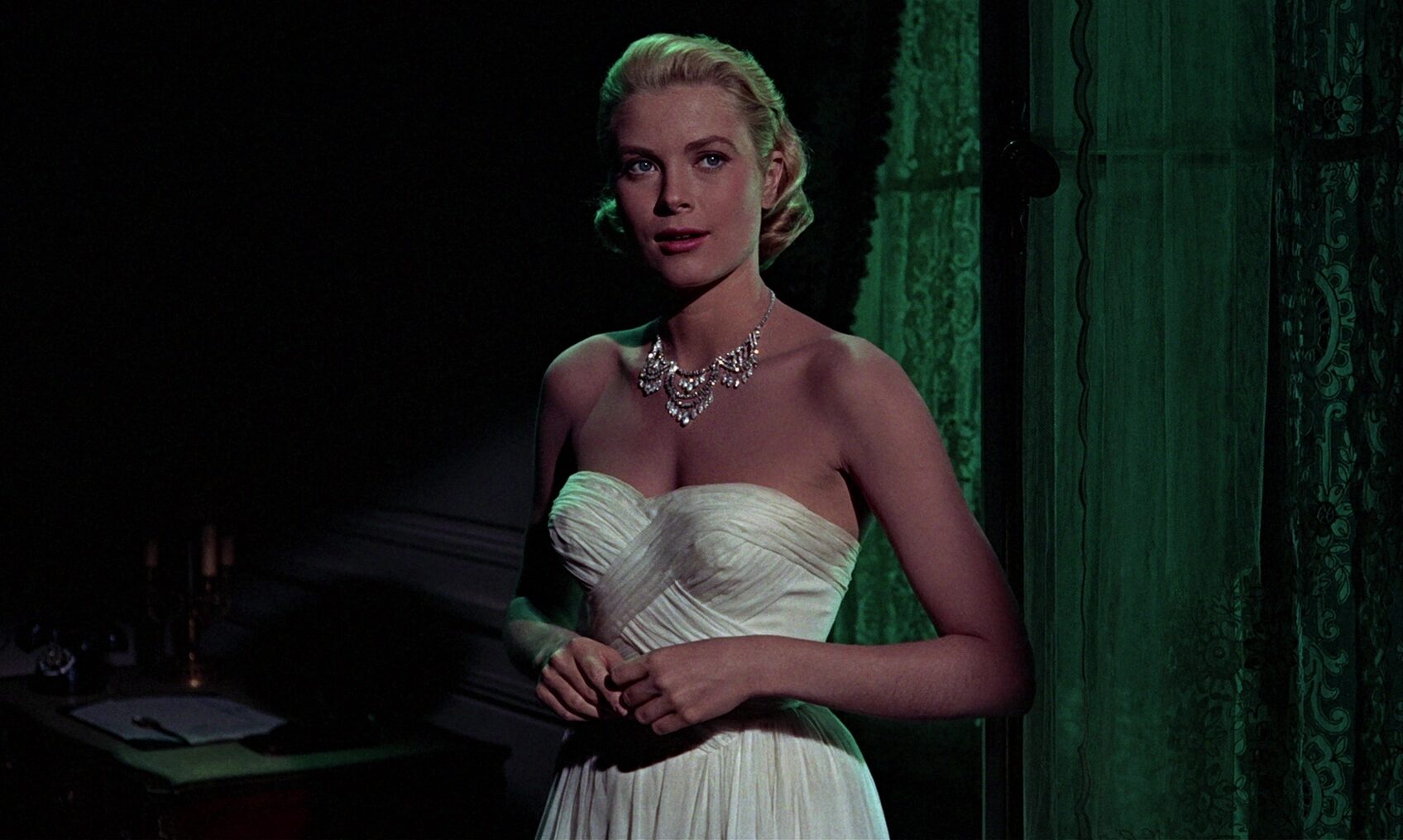
Grace Kelly on the Côte d'Azur. Photography courtesy of CR Fashion Book
The relationship deepens across generations. Princess Caroline wears Dior haute couture through the 1980s and 1990s. She chooses the house for the Rose Ball, Monaco's most significant annual charity event, held each March at the Sporting Monte-Carlo. The gown she selects each year generates more column inches than most runway collections. Caroline understands something her mother knew. In a principality of 38,000 residents, a single dress carries the weight of diplomacy.
Monaco does not follow fashion. It receives fashion, considers it, and decides whether it belongs. Dior has belonged here since 1956.
Léa FontaineThe present tense
Charlotte Casiraghi, Grace Kelly's granddaughter, carries the connection into the current moment. She serves as Chanel ambassador, which complicates the narrative. But Dior remains the house of the Palace. The distinction matters. Personal patronage follows taste. Institutional patronage follows history. The Grimaldi family's relationship with Dior operates at the institutional level, embedded in the protocols and wardrobes of state.
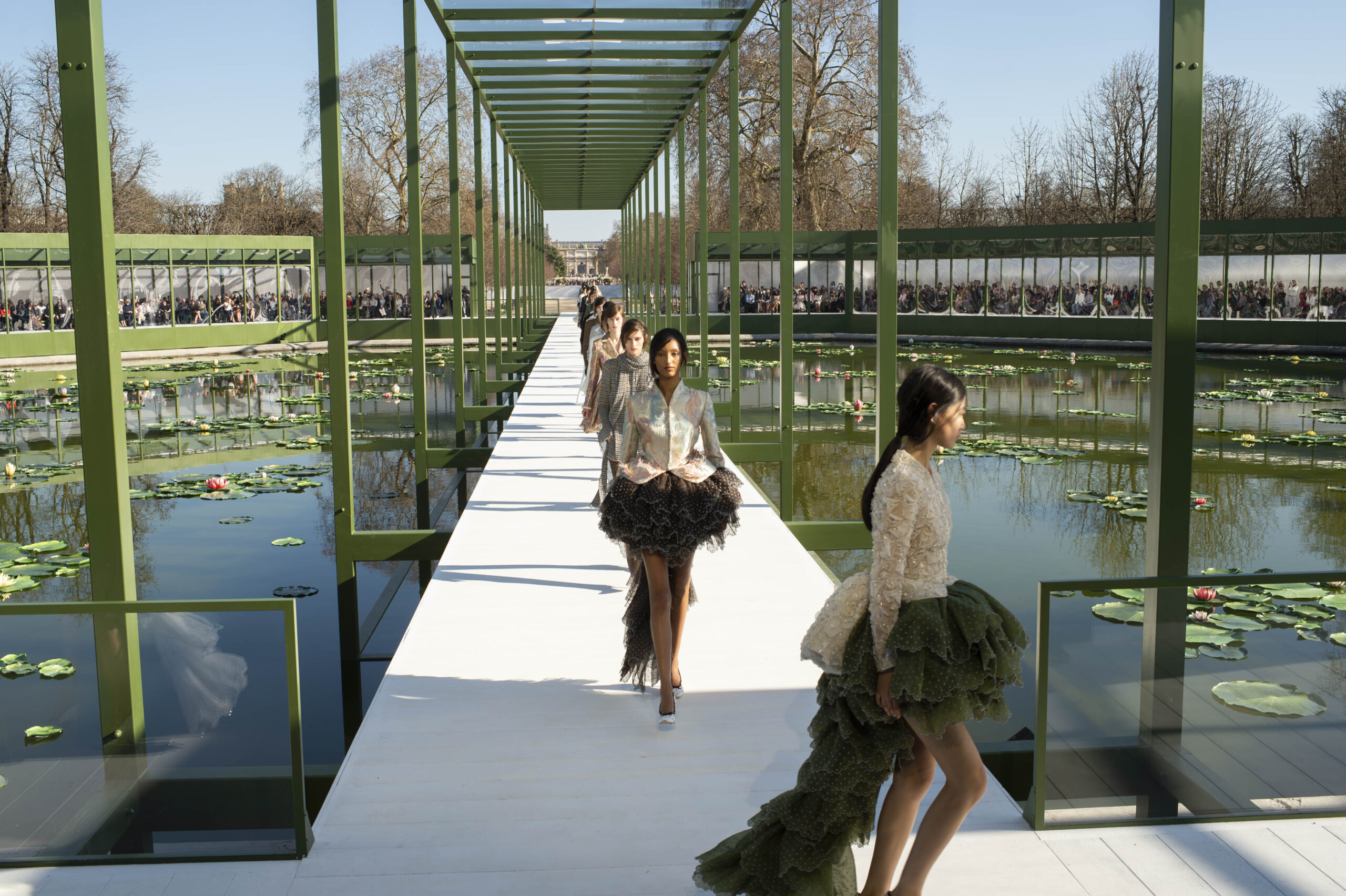
Maria Grazia Chiuri, who has directed the women's collections since 2016, stages Dior's Cruise shows in locations chosen for cultural resonance. Athens, Marrakech, Seville, Mumbai. The house has not returned to the Riviera for a cruise presentation since 2018. The absence feels deliberate. When Dior does return to this coastline, the gesture will carry the weight of homecoming.
The Dior boutique on Avenue des Beaux-Arts in Monte-Carlo occupies a position between the Casino and the Hôtel de Paris. The location is precise. The Casino represents risk. The hotel represents permanence. Dior sits between the two, offering garments that acknowledge both impulses. The store's interior, redesigned in 2024, uses the pale grey toile de Jouy that Monsieur Dior favoured for his own apartments. The walls carry the same pattern in the Monte-Carlo boutique as they do in 30 Avenue Montaigne. The house insists on continuity across geography.
Why it persists
Fashion houses accumulate relationships with cities the way families accumulate photographs. Most fade. Some hold. Dior and Monaco hold because the values align. The principality prizes discretion, precision, and the appearance of ease. The house prizes the same. Neither tolerates excess for its own sake. Neither confuses volume with importance.
The Monte-Carlo Fashion Week, which enters its second significant year in April 2026, invites Dior to participate alongside emerging sustainable labels. The house declines to show on the schedule but sends representatives. The gesture is characteristic. Dior supports Monaco's fashion ambitions without surrendering its own calendar. The house gives presence rather than product. In a principality that measures loyalty in generations, the distinction matters.
Seventy years separate Grace Kelly's civil ceremony dress from the current collection in the Avenue des Beaux-Arts boutique. The fabrics have changed. The proportions have shifted. The clientele now arrives from Shanghai and São Paulo as well as from the Palace. But the principle remains. Dior dresses people who require clothes that work harder than they appear to. People who need garments that survive scrutiny, sunlight, and the particular demands of a life lived in public on a rock above the sea. The principality taught the house what it needed. The house has not forgotten.