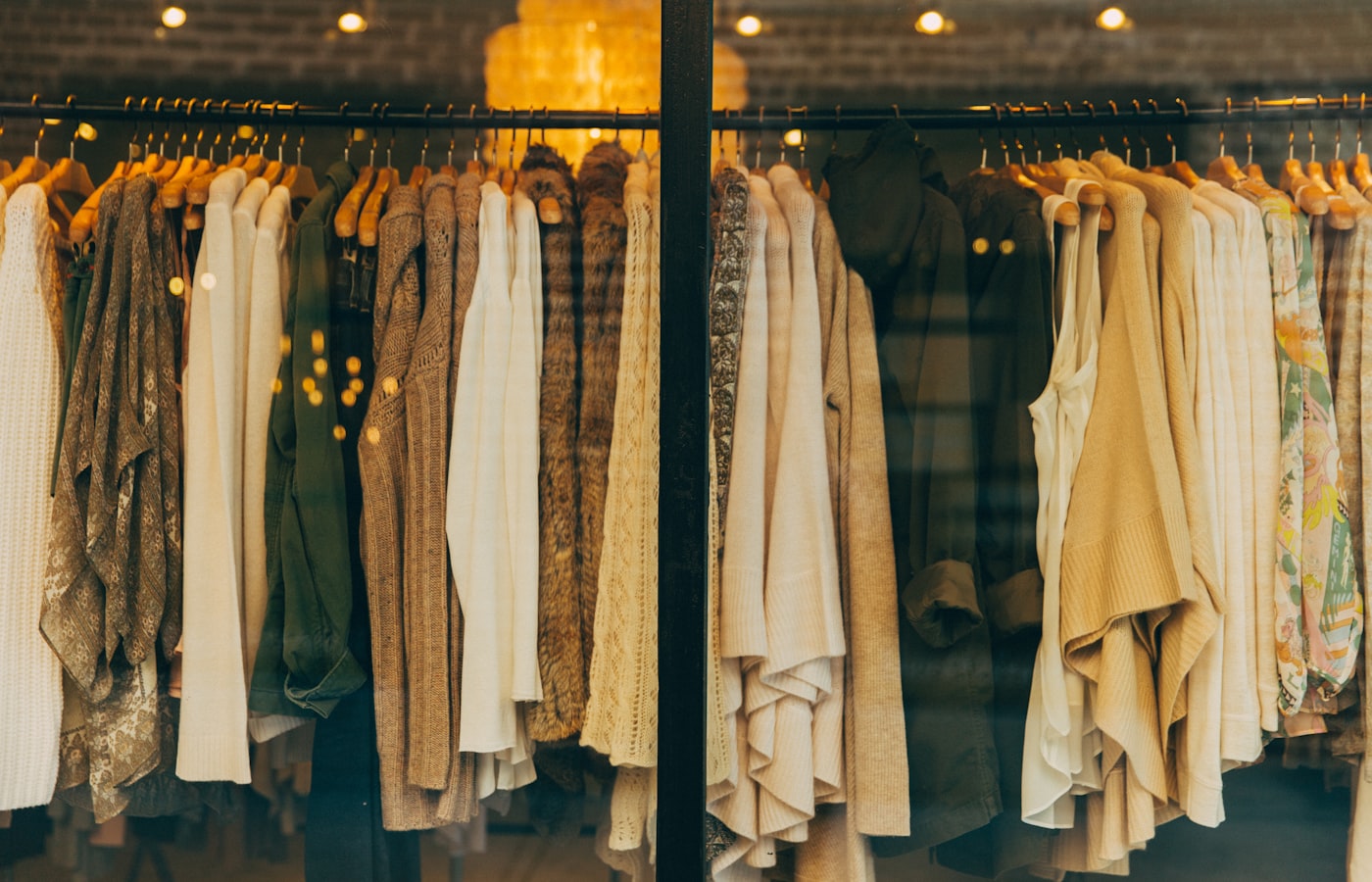
The dust settles after a seismic 2025. Jonathan Anderson arrives at Dior. Matthieu Blazy anchors himself at Chanel. Maria Grazia Chiuri commands Fendi. The creative director shuffle that began two seasons ago finds its final form. Fashion enters a reset moment. New voices carry new energy. The industry watches closely.
The appointments consolidate around a shared principle. Each designer brings technical mastery combined with a distinct point of view. None inherit their role as a legacy or a default. Each earned their position through work that moved the conversation forward. This matters. It signals that the houses prioritize vision over pedigree, innovation over continuity.
Jonathan Anderson's tenure at his own label JW Anderson positioned him as one of menswear's most rigorous thinkers. His collections balance structure with unexpected vulnerability. The tailoring speaks with authority. The fabrics carry emotional intelligence. His debut haute couture collection for Dior arrives in January 2026. The show takes place in the Tuileries. The collection centers on the idea of transformation. Sharp shoulders dissolve into pleated fullness. Rigid lines give way to liquid draping. Anderson understands luxury not as a fixed aesthetic but as a conversation between precision and mystery.
Matthieu Blazy made his Chanel debut on the menswear schedule last season. The response was immediate. His ability to read the house's codes while introducing contemporary relevance impressed buyers and editors alike. His inaugural haute couture collection debuts in January 2026. The presentation happens at the Grand Palais. Blazy's work respects Coco Chanel's foundational grammar. The tweed persists. The proportions stay measured. But the fabrication shifts toward the experimental. Mesh meets wool. Leather touches cotton. Quilting appears in unexpected places. The effect suggests evolution rather than rupture.
The energy of arrival
Maria Grazia Chiuri brings a career-long commitment to feminism and craft to the Fendi role. Her time at Dior demonstrated her ability to amplify a house's values while introducing new conversations. Her appointment at Fendi came with permission to explore. The house welcomes her investigation into Italian heritage. The house embraces her fascination with marginalized voices within fashion history. Her first show for Fendi debuts before summer. The collection foregrounds the house's FF monogram not as a logo but as a structural element. Seams become visible. Construction reveals itself. The effect is paradoxical. The bags look more luxurious when their making shows.
Valentino presents off-schedule. The house stages its show in Rome rather than Paris. The choice represents a declaration of independence. The brand establishes itself as anchored to the city where it was founded. Valentino's Rome presentation happens in May 2026. The collection speaks to a house in confident transition. New leadership allows for experimentation without abandonment of the codes that built the brand's identity.
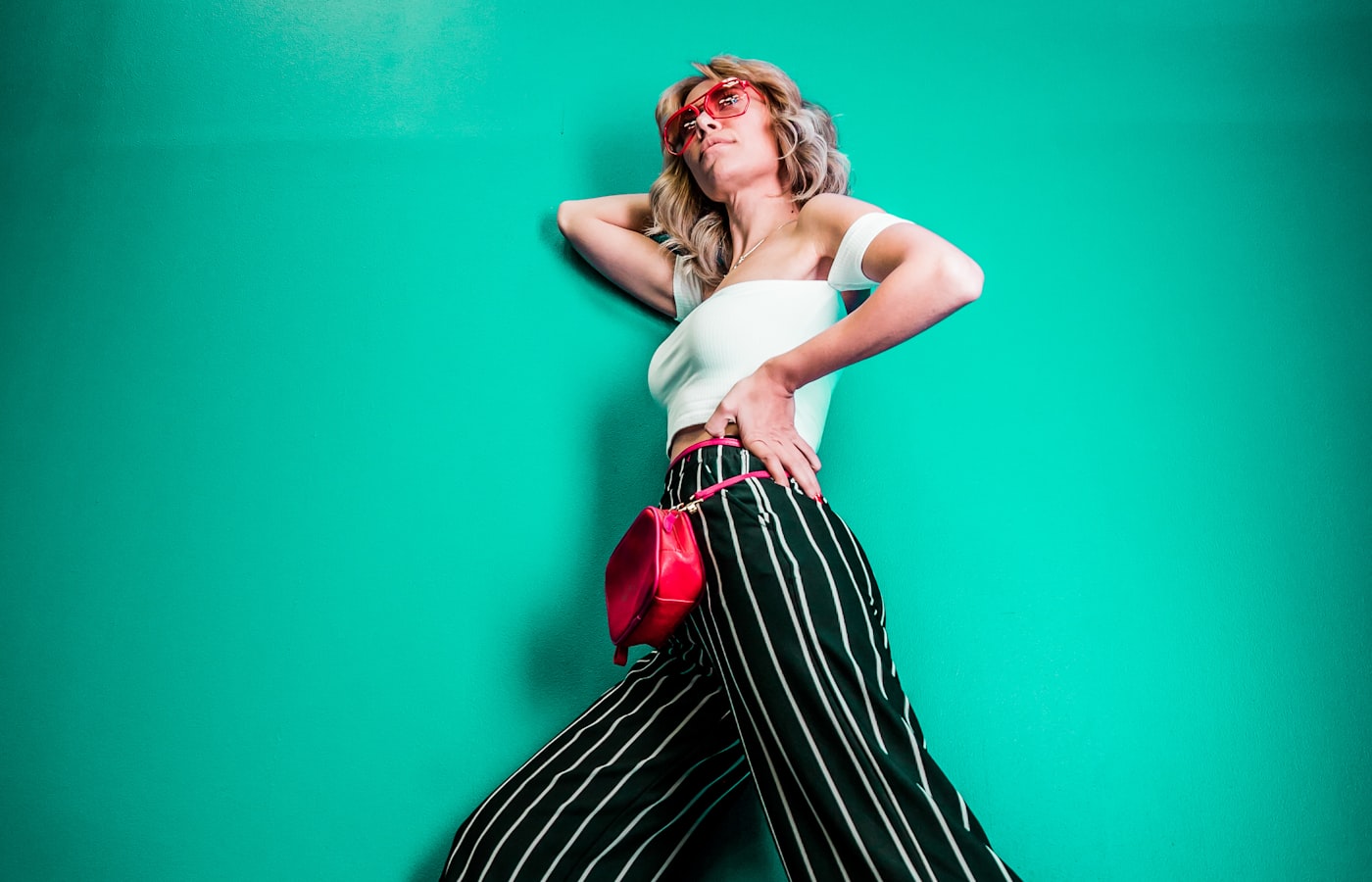
The precision of Paris. High fashion demands technical excellence alongside creative vision.
The cultural backdrop sharpens these appointments. The Met Gala 2026 edition arrives as the biggest version ever. The exhibition inside the museum centers on ideas of transformation and identity. The theme gives designers permission to expand their vocabulary. Anderson, Blazy, and Chiuri will all have clients who use the gala as a moment to test their new direction.
The Tate Britain opened an exhibition titled "The 90s" that runs through summer. The show examines how fashion of that decade built foundations for contemporary practice. The grunge, the minimalism, the maximalism all resurface in contemporary collections. Anderson's work has always contained echoes of that moment. Blazy's rigorous reduction feels indebted to that era. Chiuri's focus on craft and visibility connects directly to the 90s insistence on honesty in construction. Fashion moves in cycles. This cycle acknowledges its sources.
This is fashion's most significant creative reshuffle in a generation. The houses trust new voices to honor history while building something unprecedented.
Elena VossThe international calendar reflects this shift. Anderson's Dior show happens during Paris haute couture week. Blazy's Chanel debut shares the schedule. Chiuri at Fendi establishes Rome as a secondary fashion capital. Valentino's off-schedule presentation in May creates its own moment. The rigidity of the fashion calendar loosens. Houses claim territory based on creative logic rather than historical precedent.
The emerging designers watch this transition carefully. These four appointments create a template for what excellence looks like. The bar rises. Technical mastery becomes non-negotiable. Point of view becomes essential. Fashion demands designers who understand both heritage and innovation. The next generation prepares itself accordingly.
The Met Gala, the exhibitions, the collection debuts across Paris and Rome all create a cultural narrative arc. Fashion announces itself in a reset moment. The appointments of Anderson, Blazy, and Chiuri mark the moment when the industry stops talking about change and starts living it. The work will speak. The collections arrive in the coming months. The fashion world watches. The new chapter has begun.