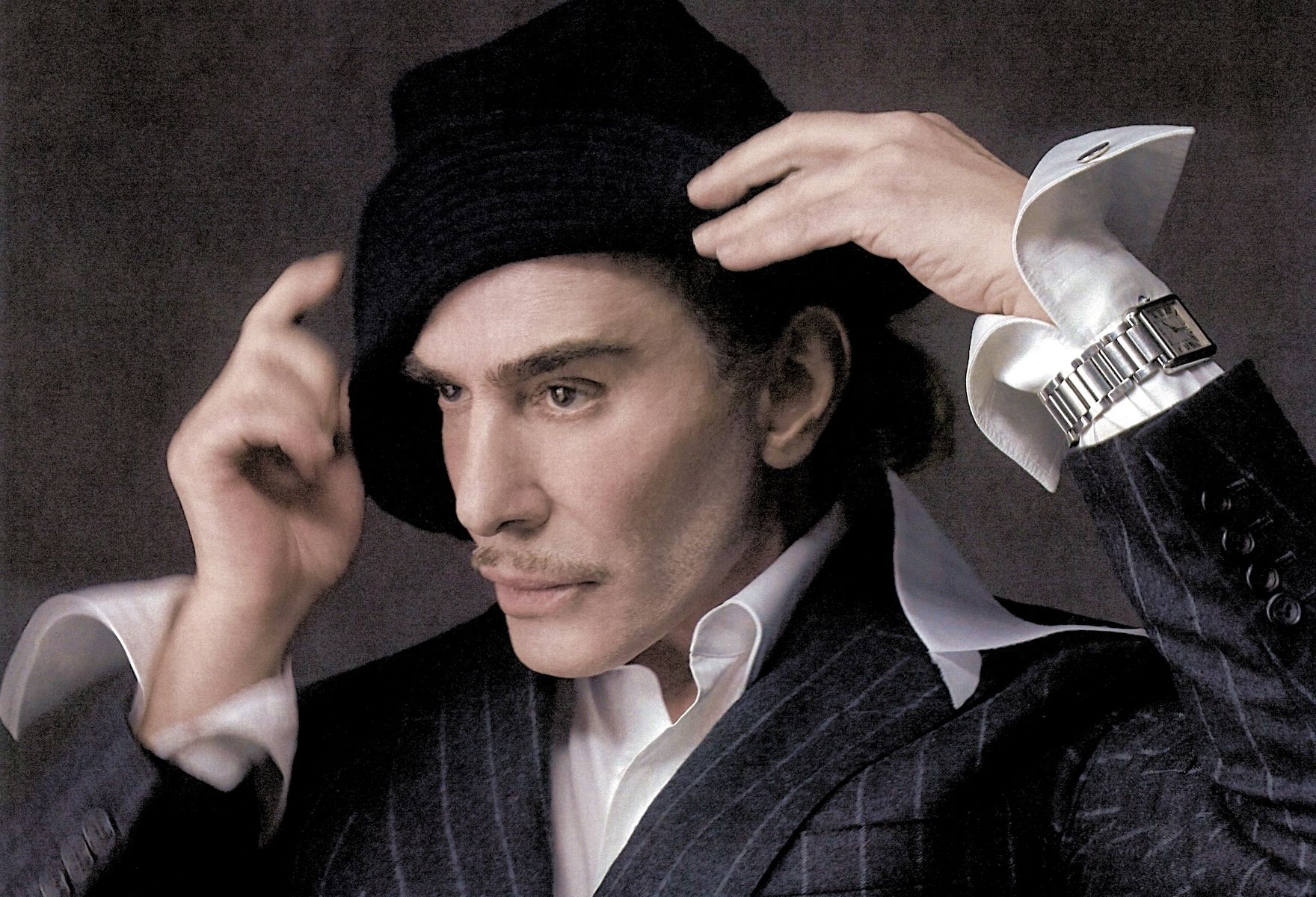
John Galliano has announced a two-year creative partnership with Zara. A full directorial role. The designer whose work at Dior, Givenchy, and Maison Margiela operated in the rarefied atmosphere of haute couture and conceptual fashion now turns his attention to a brand that moves collections from sketch to shop floor in weeks.
Galliano left Margiela in 2024 after five years. The work had been intricate, challenging, unapologetically conceptual. At Margiela he made garments that supported without announcing themselves. The question that lingered was practical: to whom does that garment speak?
Zara
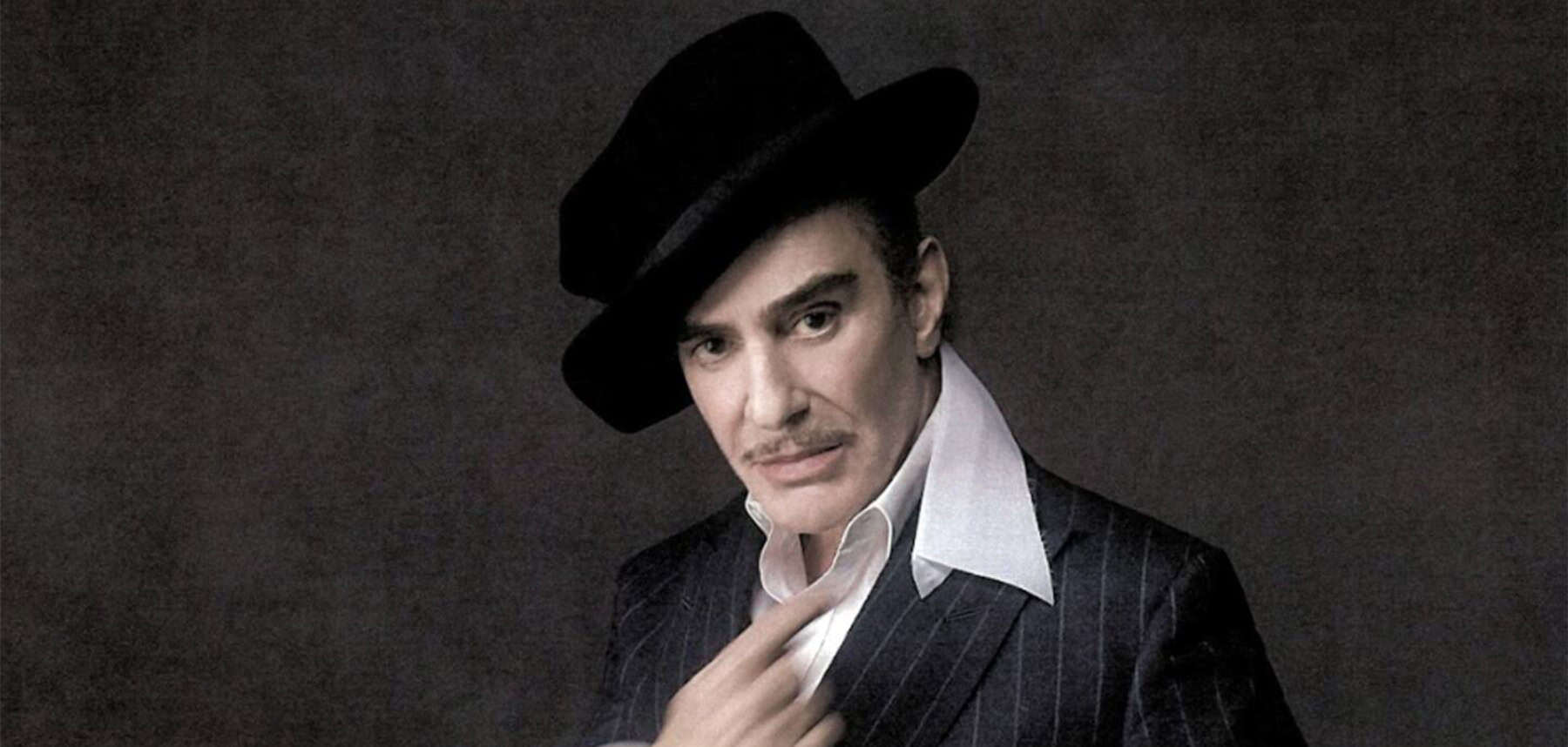
John Galliano announces creative partnership with Zara
Zara has no atelier. It has design teams, manufacturing partners, and speed. The usual objections to a designer of Galliano’s calibre taking this role are about precision and time. But Galliano has never believed luxury is visible. He has always believed it is felt.
He spoke of wanting to democratize design clarity. Zara’s strength has always been proportion, structural intelligence, how a garment sits on the body. Those are Galliano’s obsessions too. The conversation about beautiful clothes need not be confined to rooms where women already know the price of entry.
Galliano has never believed luxury is visible. He has always believed it is felt.
Léa FontaineSome in the industry have read this as a fall. Others, correctly, as the opposite. Galliano has thrived on constraint his entire career. At Givenchy, the weight of heritage. At Dior, a vocabulary so codified it demanded invention within its own architecture. At Margiela, limitations that were deliberately constructed. Zara’s constraints are different: speed, volume, accessibility. But constraints they are.
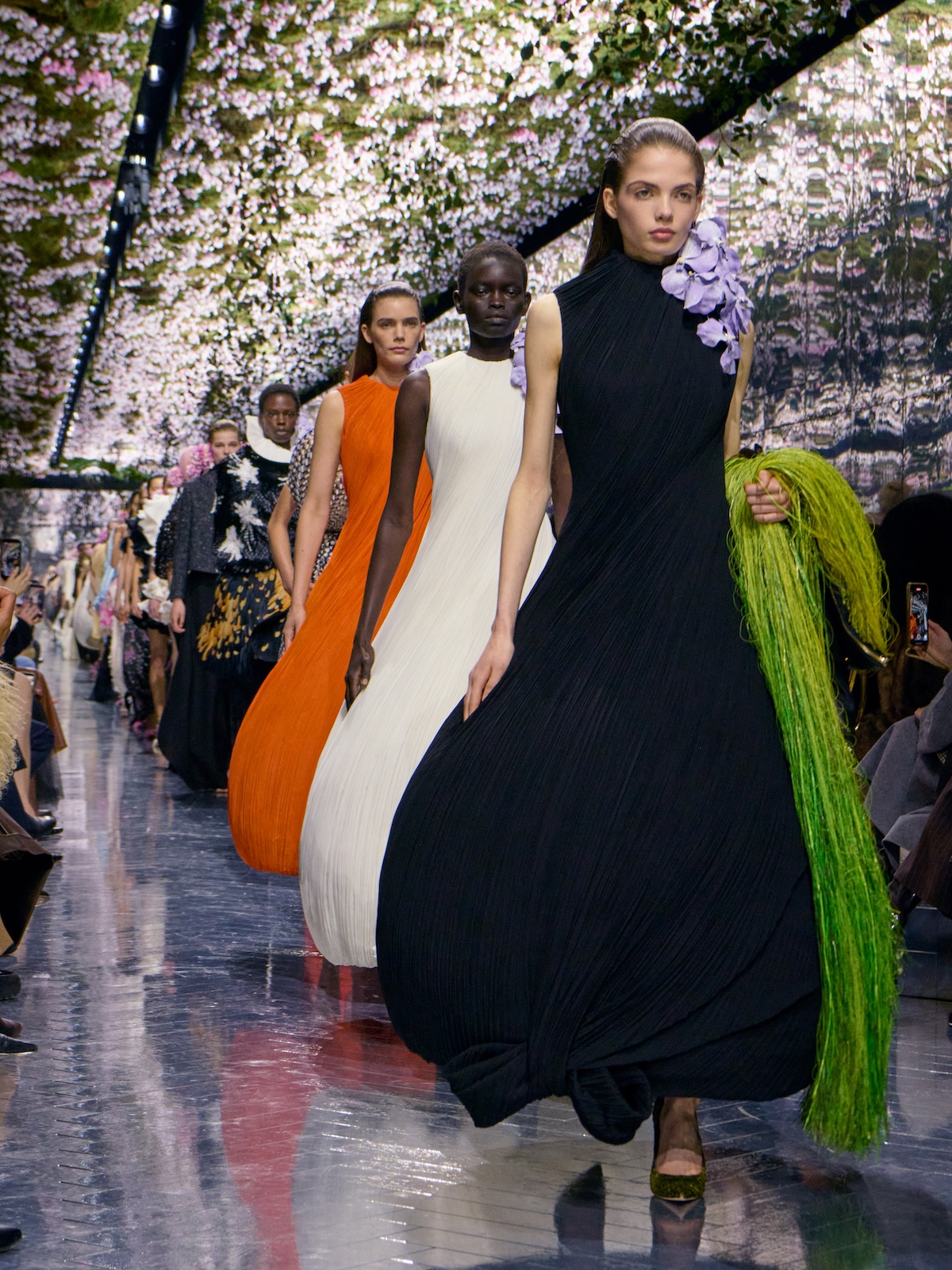
Dior S/S 2026, Jonathan Anderson’s debut
The first collection drops this autumn. Expectations are impossibly high, which is presumably what Galliano prefers. If he can make the principles of elegant design visible in something a twenty-year-old student can afford, the conversation changes.