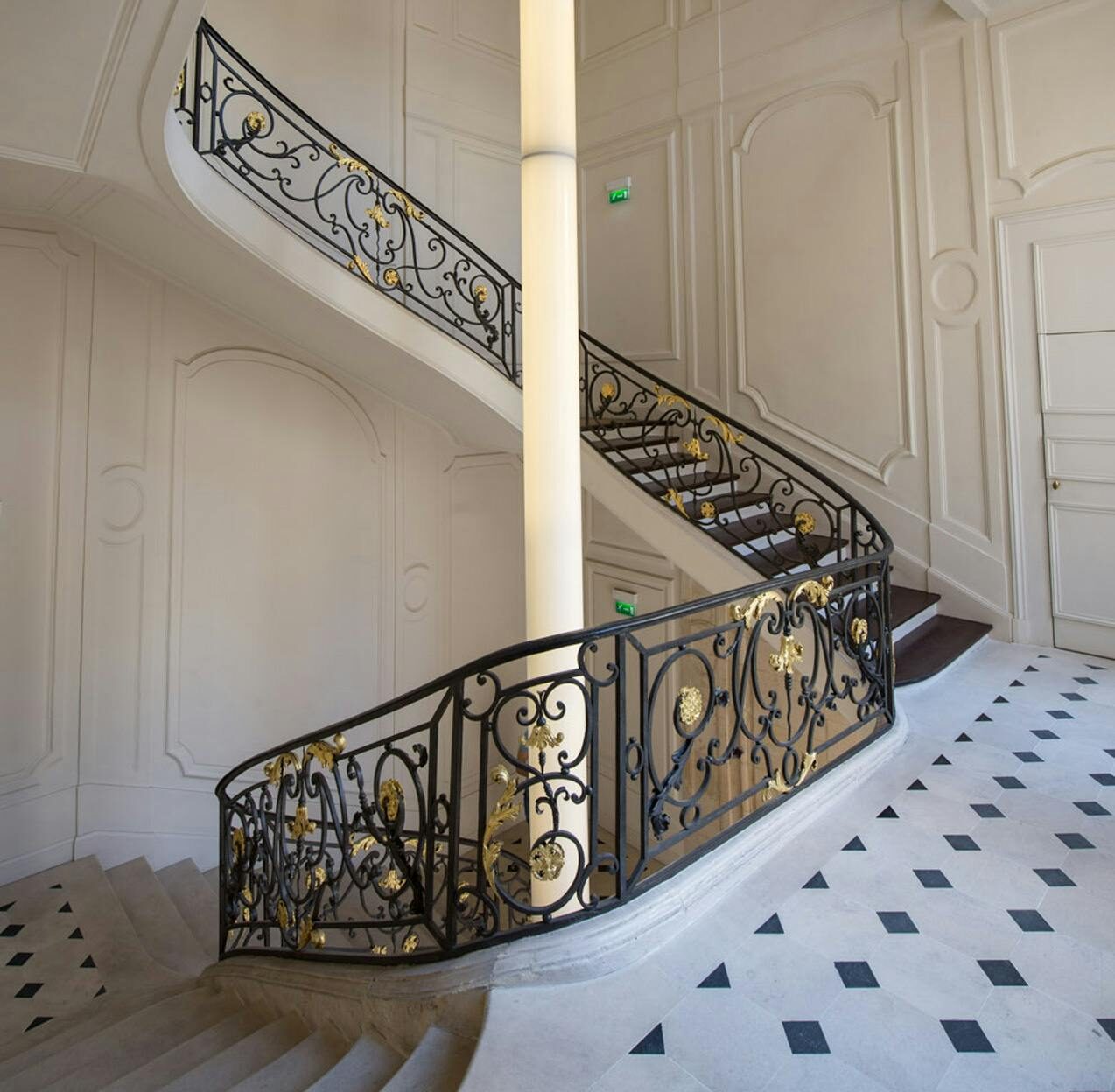
Nigo took Kenzo back to where it started. Not the boutique and not a runway, but the house Kenzo Takada built for himself off the Bastille. The autumn collection was shown there, among the bamboo and the koi.
Takada built the place at the end of the 1980s and lived in it until he sold it years later. It sat behind a wall in eastern Paris, a low compound around a garden of bamboo, cherry trees and a koi pond. The point of it was the meeting of two countries. A Japanese designer who had made his name in Paris drew his own private version of both, then filled it with people. The house worked as a showroom, a salon and the address for parties that ran late.
Takada came to Paris from Japan in the mid 1960s and opened his first shop, Jungle Jap, in the Galeries Vivienne in 1970. He built the label on loud flowers, folk shapes and colour that the city was not used to, then sold it to LVMH in 1993 and stepped away at the end of the decade. The garden house was the private version of all that, a place where the public Kenzo and the man who made it lived in the same compound.
Nigo opened the doors again for his autumn show in January. He has run Kenzo since the spring of 2022, long enough now to stop introducing himself and start digging. The founder died in 2020. Returning to his rooms was a way of asking what the house is for, with the answer kept in the walls rather than in a press note.
The archive
The clothes read like a careful tour of the back catalogue. The tiger from Kenzo Jungle, a motif from the 1980s, came back on button-down shirts. Archival K lettering ran across T-shirts, jackets and cardigans. A floral organza skirt from the spring 1994 collection was rebuilt, and its embroidery climbed onto jackets and shoes. The 1986 Kite bag returned, joined by colour-blocked leather versions in newer hands.
None of it read as costume. Nigo cuts close to the body and keeps the references legible, so a tiger shirt sits next to a grey suit without apology. Japanese selvedge denim, sun-faded, held the floor the way it has since his first season. The Kenzogram spread across denim, nylon, knitwear and bags, a logo doing quiet structural work.
Tailoring carried the rest. Two-tone neo-tailoring and silhouettes pulled from the 1990s archive ran through the middle of the collection, kimono structures feeding the collars and the peaked lapels. The shoes covered as much ground as the clothes: steel-toe work boots, embroidered ballet flats, loafers, and light canvas lace-ups. Construction did the talking, with the cut making the argument the prints had started.
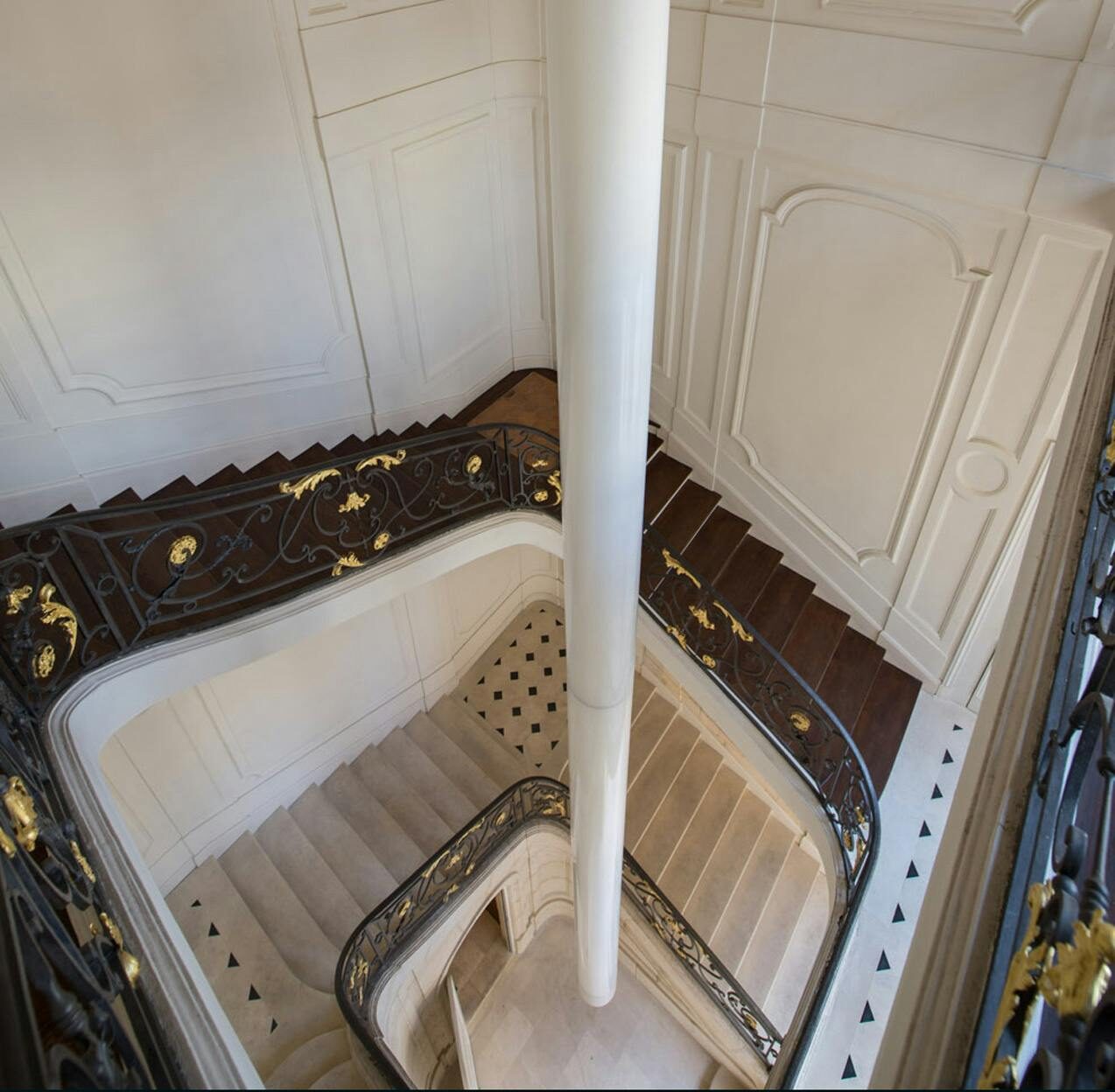
Courtesy of Kenzo — inside the house
Crossings
The mixing is the message at Kenzo, and it has been since 1970. French collegiate graphics sat beside cowboy shirts and Italian tailoring. Chinese pankou closures fastened jackets that elsewhere borrowed a kimono collar or a peaked lapel cut on Japanese lines. Cowboy shirts carried floral embroidery and contrast piping, a small joke about which tradition owns a flower.
Colour did the rest. Deep navy, Prince of Wales check, bi-colour and tricolour stripes, checkerboard knits. Softer 1970s tones were cut with hard blue, tailored grey and sudden yellow and red. The palette moved between decades inside a single look, which is the trick Takada taught and Nigo has learned to control.
A house is not a logo. It is a set of rooms someone once lived in, and the clothes that remember them.
The Splendid EditNigo
He came to Kenzo from a long career in Tokyo streetwear and a tour at Kenzo’s LVMH sibling Loewe. The early collections proved he could sell. The homecoming proves he can edit. Reading a founder back to himself is harder than starting clean, because every choice is a claim about what the name has always meant.
Paris men’s week is back this week, the spring shows filling the calendar across the city. Kenzo’s strongest statement this year was the one it made in winter, behind a wall, with the founder’s garden doing the talking. The house spent decades arguing that joy and craft belong in the same sentence. In Takada’s rooms, the argument made itself.
The work now is continuity. Nigo has the codes, the tiger, the K, the Kenzogram, the denim, and a clear sense of where they came from. What he does with them over the next few seasons will decide whether the homecoming was a tribute or a foundation. The rooms are still there. So is the garden.