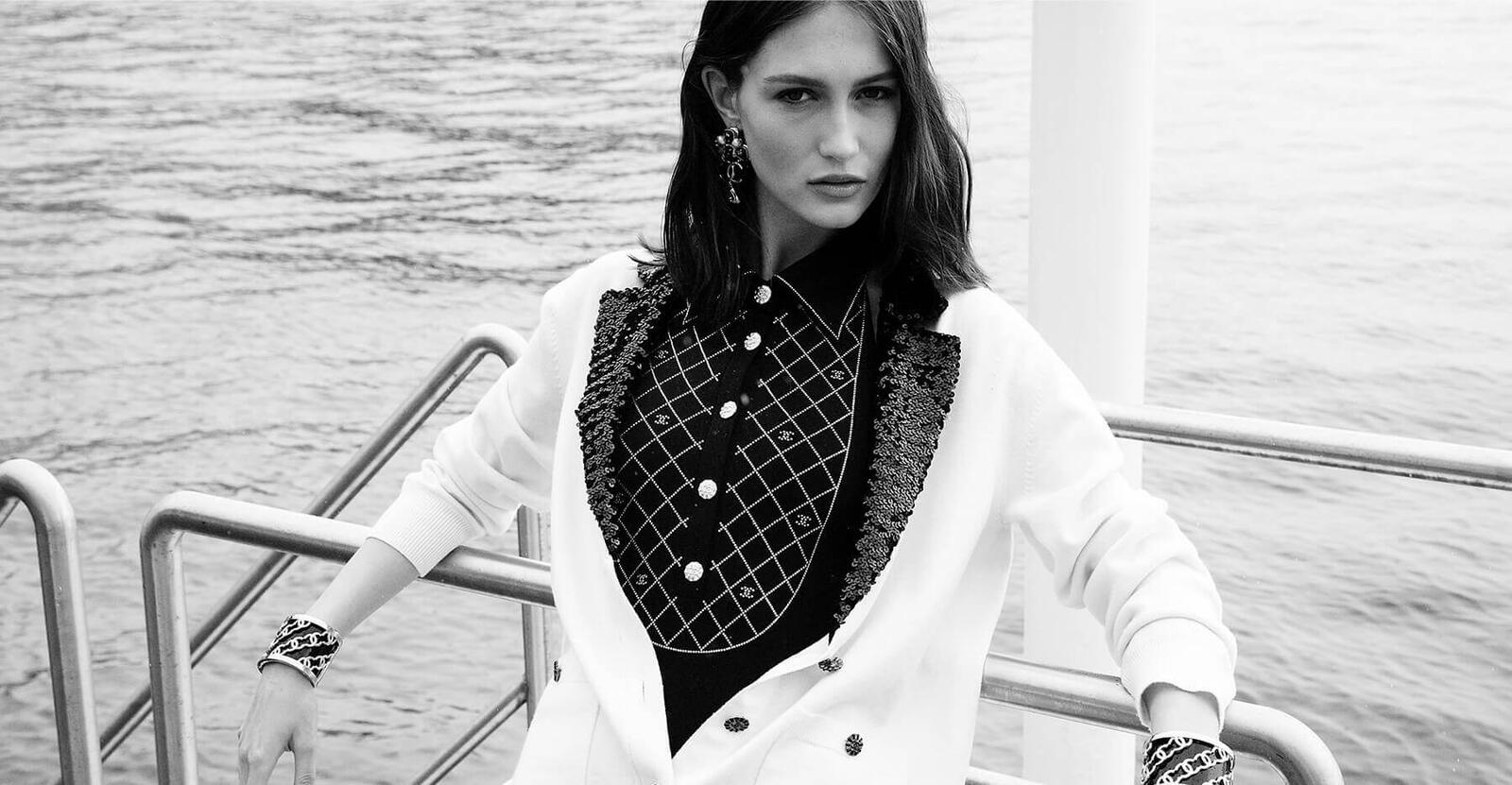
Chanel arrived in Monaco before the house truly existed. The story begins in 1913 at the Hôtel Hermitage. Coco opens her first boutique on the Côte d'Azur before Paris understands her vision. The house takes root where leisure matters more than commerce. Where wealthy travelers gather to escape. The Riviera becomes Chanel's first audience. The bond holds across a century.
The geography of Chanel is the geography of Coco's own geography. Paris builds the business. Monaco plants the soul. In 1930, she selects a site at Roquebrune-Cap-Martin. The villa La Pausa rises above the sea. The structure unfolds according to her specifications. Terraces connect interior and exterior. The line between house and landscape dissolves. The architecture embodies the same principle as her clothing. Simplicity serves as the greatest luxury. Excess disappears. Only the essential remains.
The house becomes famous for discipline. The codes emerge from this villa overlooking the Mediterranean. The tweed jacket formalized through wear and refinement. The pearls that read as jewelry rather than jewelry. The silhouettes that move with the body rather than restricting it. All of this originates in a woman living beside the sea. The Riviera teaches Chanel what fashion learns from her for generations.
The directors who inherit the Riviera
Karl Lagerfeld understood this geography. He lived in a Memphis Group apartment in Monaco before moving to La Vigie, a white Belle Époque villa perched above the Beach Club. The choice was not accidental. Karl knew that the creative directors of Chanel must spend time where Coco spent her life. The house demands it. The Mediterranean light teaches proportion. The landscape teaches color. The pace of the Riviera teaches what matters and what does not.
The Monte-Carlo Beach Club built in 1929 became the stage where this history performs itself. The structure opens before Coco passes away. But it becomes essential to the house decades later. Marlene Dietrich walks the terraces. Princess Grace arrives. The venue stands as a monument to glamour that remains timeless because it feels effortless. The Beach Club never tries. It simply exists, and everyone wishes to be present.
Under Virginie Viard, Chanel returns to the Beach Club to stage Cruise collections. The choice reverberates through the fashion calendar. Houses present their between-season collections in distant locations. But Chanel returns to source. The runway unfolds in the place where Coco first introduced her designs to the world. The gesture declares that some houses do not abandon their origins. Some houses return to them.
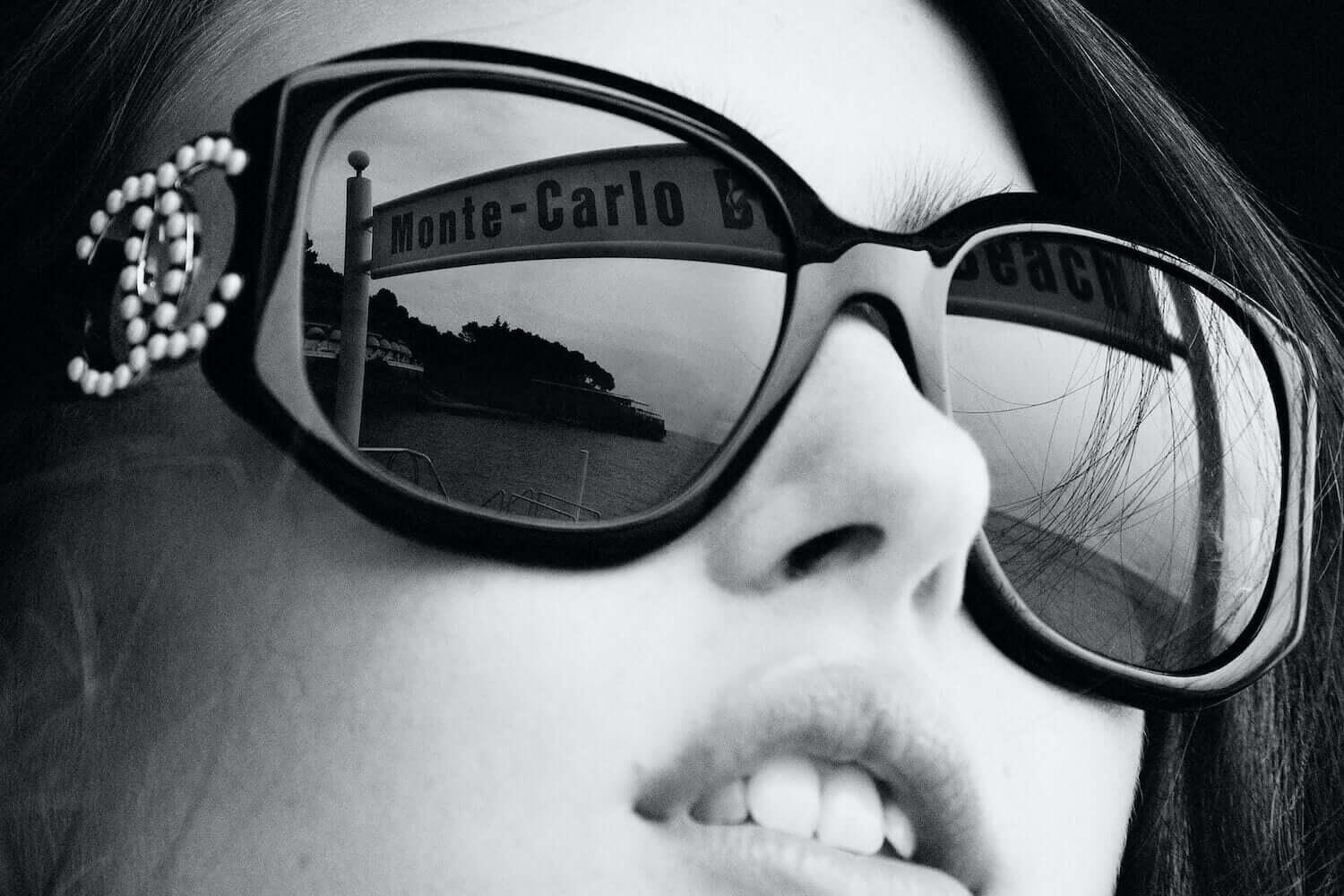
The Riviera remains Chanel's creative north star. Where the house presents collections, it presents the future.
Matthieu Blazy now inherits this legacy. The new Artistic Director enters the house at a moment of perfect clarity. The codes exist. The language is established. His task is not to build from nothing but to honor what Coco constructed and what Karl perfected. The Riviera waits. The Beach Club stands ready. The story continues with a new chapter written by a designer who understands that Chanel's truest location was never Paris.
The house does not reside in Paris. It resides on the Côte d'Azur, where it has always belonged. The rest is commerce.
Margaux DelacroixThe Monaco Grand Prix occurs every May. The racing converges with fashion week energy. Drivers arrive in tailored suits. Spectators dress for an event that matters. The paddock becomes a runway. The stands become a gallery. Chanel sponsors the event knowing that its clientele gathers in the stands. The house places itself in the location where its values align with the values of those who wear it. Speed. Precision. Elegance under pressure. The sport mirrors the house.
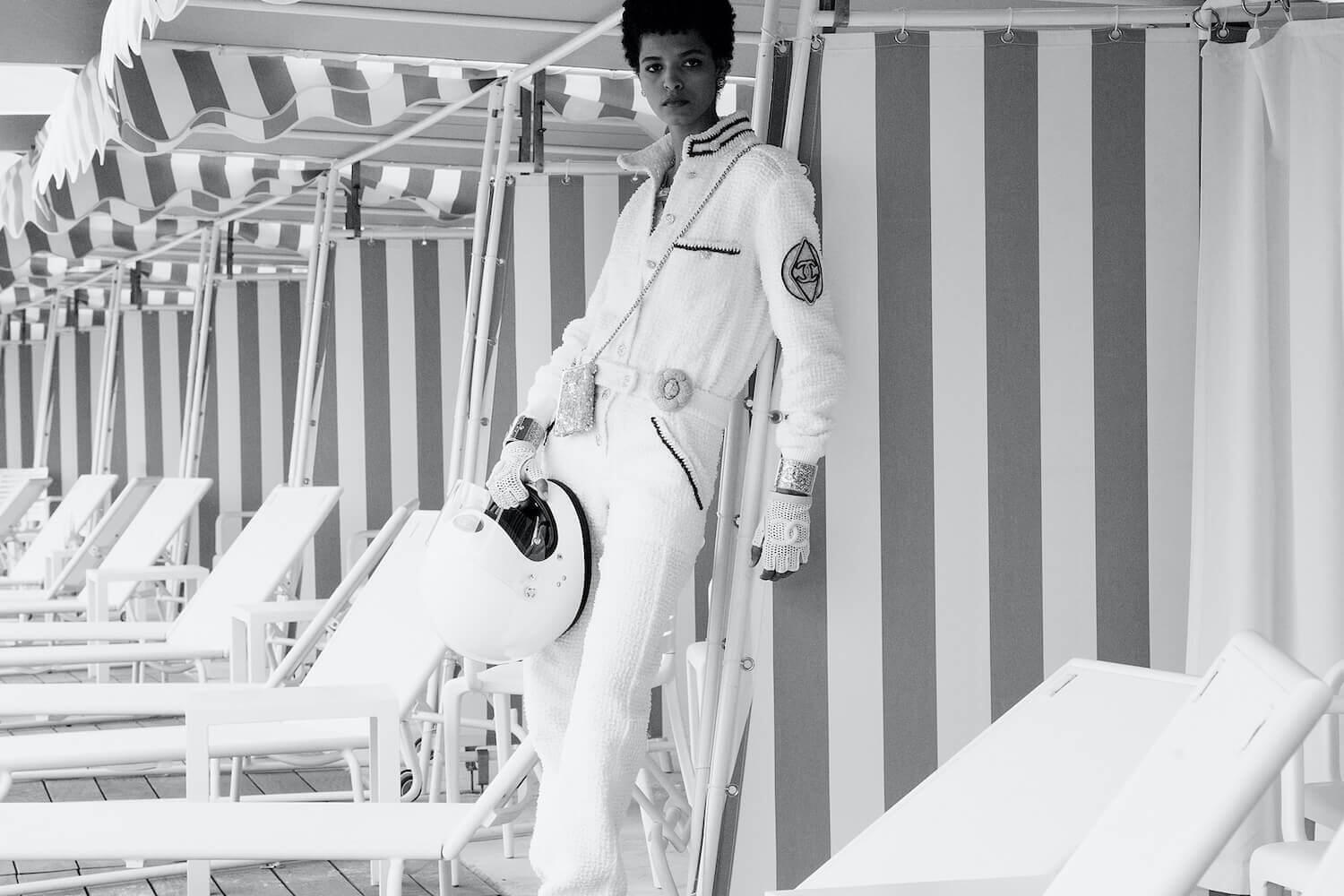
The Beach Club becomes a temple where fashion history reenacts itself. The walls hold generations.
This is the difference between influence and belonging. Many houses influence fashion. Few belong to the places where they create. Chanel belongs to Monaco. The house does not visit the Riviera. It returns home. Every show at the Beach Club reads as a homecoming. The models walk where Coco once walked. The audiences sit where royalty once sat. The present moment contains the past within it. The future arrives inevitably.
La Pausa still stands above the sea. The villa remains private. The house keeps its secrets. But the architecture speaks. The gardens persist. The view holds steady. Somewhere inside that structure lives the principle that anchors the entire house. Simplicity as luxury. Ease as the highest difficulty. The Riviera as the source of everything worth knowing about beauty, proportion, and time.
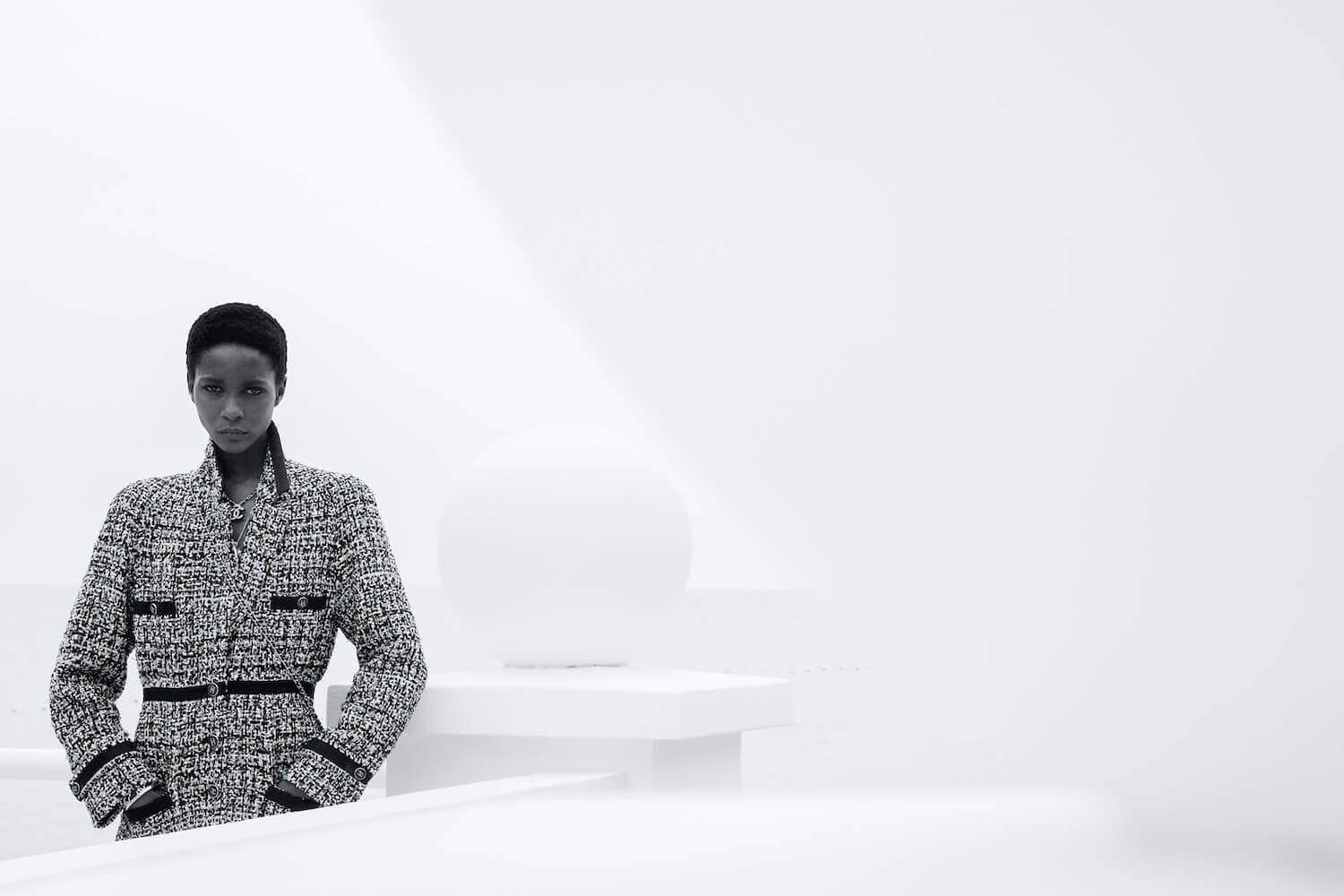
Every detail emerges from principle. Coco taught the house to distill. Blazy continues the lesson.
Chanel enters its next century with a new director but the same geography. The house moves forward by looking backward. The Riviera holds the answers. The tweed jacket will evolve. The proportions will shift. The fabrications will change. But the source remains constant. Monaco. The Beach Club. La Pausa. The light. The sea. The place where luxury learned to be simple. The place where fashion learned to stay quiet. The house that never left the Riviera because it never truly wanted to arrive anywhere else.