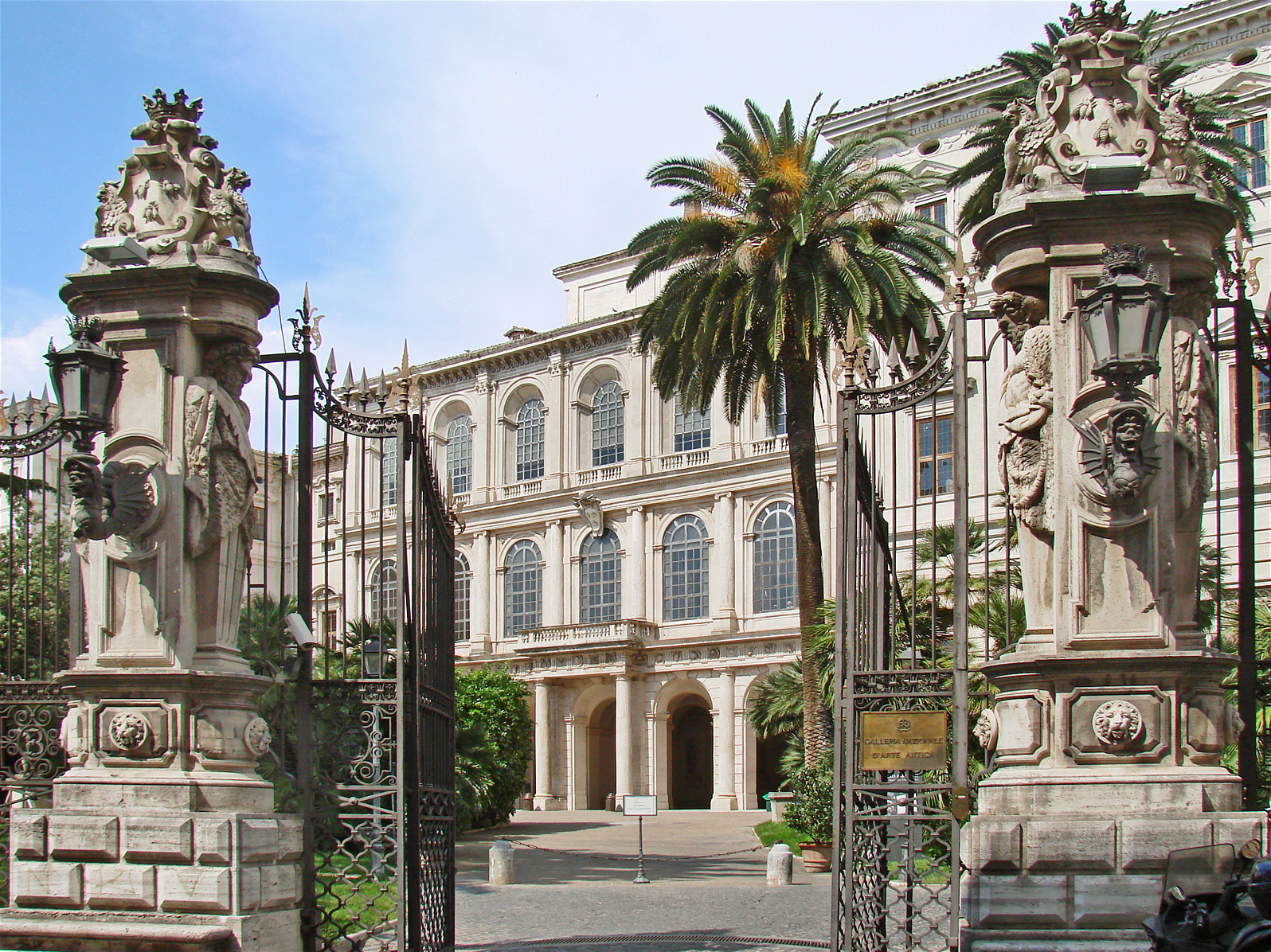
The Palais Garnier opened its doors on March 3rd. Three emerging houses showed their collections in the opera house's gilt corridors, beneath the original chandeliers. What arrived was not a typical fashion week moment. It was the kind of evening that reminds you why spaces matter.
Paris Fashion Week runs on excess. Shows pile upon shows, presentations blur together, and the calendar swells beyond reason. Finding something worth your time matters more than ever. This evening had what others lacked: the moment you entered the Opéra, you felt it. Chandeliers caught light. Corridors hummed with presence. The building, designed by Charles Garnier in 1861, had opinions about what would happen inside it.
Three labels took the evening. ARAS Nancy. La Darrique. The Muse. Each sent a different kind of collection. Each respected the building. All three seemed to believe that elegance is not nostalgia, but something still worth making.
ARAS Nancy / Diamond
Crystalline precision in tailored silhouettes
Sara Mosquito called it Diamond. The collection caught light the moment it moved. Not through scatter or excess. Crystal caught the opera house chandeliers on necklines, at cuffs, along structured bodices. The placement was mathematical. The effect was of clothes that had learned something from the building itself.
Mosquito does not treat sparkle as ornament. The cuts are sharp. Proportions are deliberate. Diamond motifs are architectural. A midnight silk frock coat. One line of crystal down the spine. The front row exhaled.
Portuguese heritage meets Angolan memory, stitched into contemporary tailoring. This tension, this warmth against precision, gives the collection its force. Larger houses with larger budgets could not buy what Mosquito has built here.
La Darrique / Ceremony
Generous where it needed to be; restrained everywhere else
La Darrique titled this Ceremony. The word matters. While ARAS Nancy worked in geometry, La Darrique found rhythm elsewhere. In the ritual of dressing. A coat before an evening. A shoulder cut with authority, visible across candlelight. These are the moments the collection honors.
Silhouettes generous at the right moments, nowhere else. Feathered hems on evening pieces trailed behind models moving through corridors. The cuts had old-Paris in them. Confidence that reads across decades. La Darrique made 2026 feel ceremonial without feeling backward. That is the difficult trick. That is what matters.
Three houses, one building, one evening that felt earned rather than programmed.
Elena VossThe Muse / Becoming
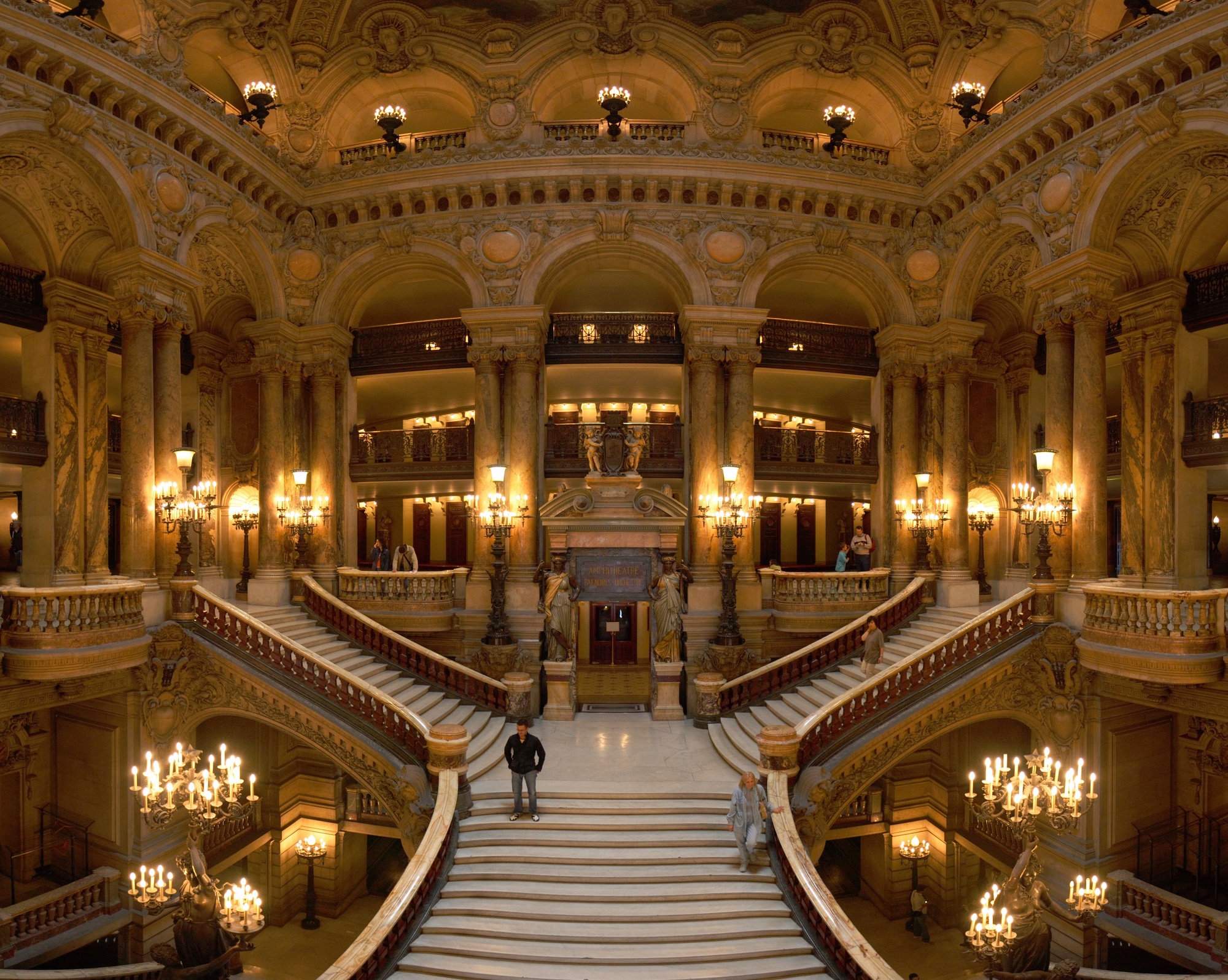
The Palais Garnier offered presence; each collection had to answer
The Muse closed the evening. The collection name means what it says. Each look transforms the wearer into something worth capturing. Prints. Glitter. Textured fabrics. They seem improvised but are made with discipline. Deep jewel tones open to metallic flashes. The colors know the opera house. They speak its language.
Femininity here is not one note. Monastic simplicity next to unapologetic glamour. The effect is of a wardrobe built on personality, not trend. Clothes for women who know what they want to express. Who need fabric articulate enough to do it.
The evening
A building that leaves nothing to chance
This evening was not about one collection. It was about three visions in one unforgiving space. The Opéra does not excuse weak work. Its scale swallows hesitation. All three houses understood this. Each sent collections that were considered, not merely ambitious.
Fashion week runs on size and spectacle. Mega-brands fill stadiums. This evening was smaller, more select, and conscious of something most collections ignore: the relationship between clothes and the rooms they inhabit. The Opéra has held ballet. Opera. Tragedy. On March 3rd, it held fashion that grasped what it stood inside.
The Opéra does not forgive. It does not excuse hesitation.
Elena VossParis Fashion Week A/W 2026 — Photography courtesy of Fashion PR Firm