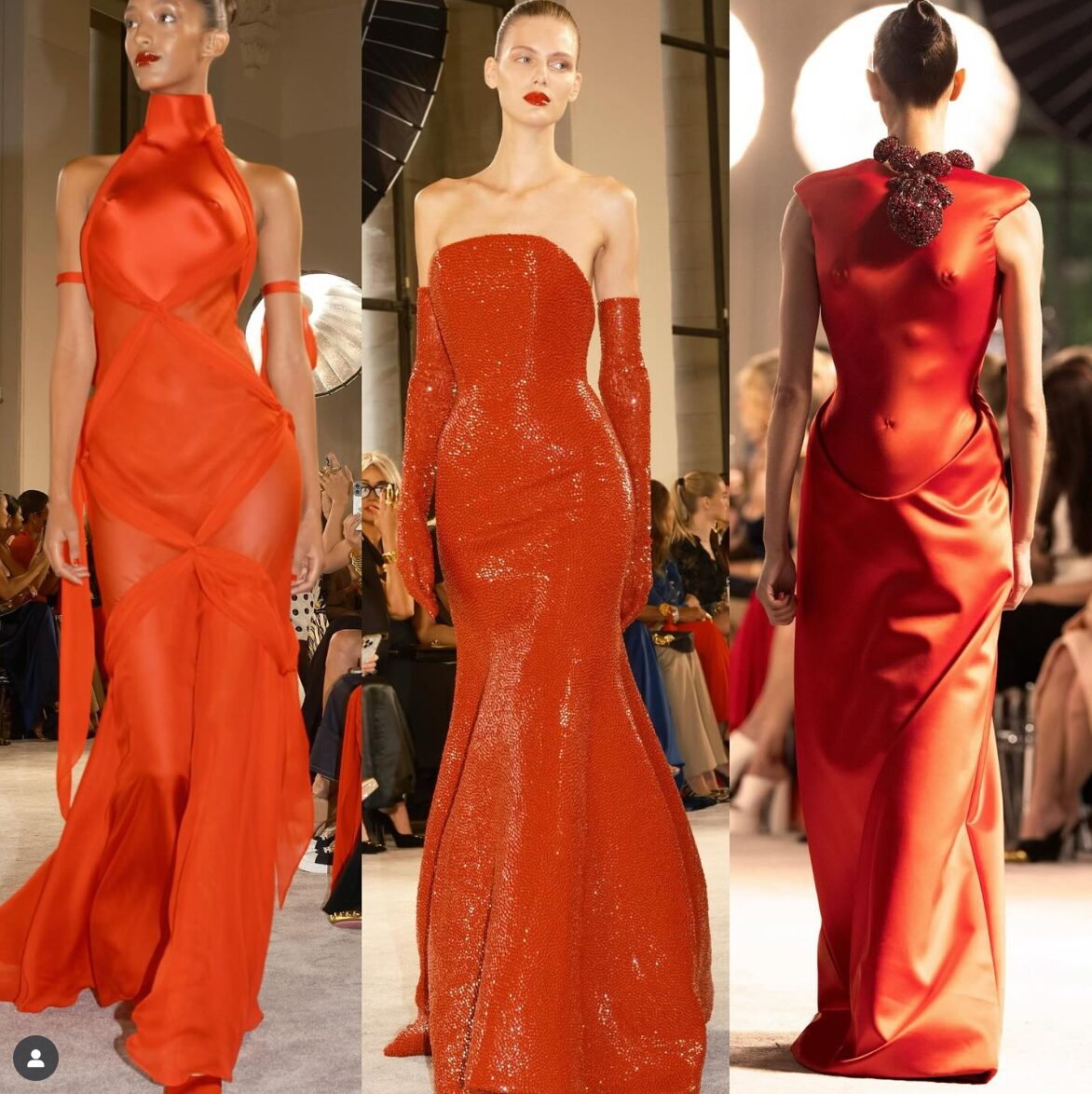
Paris has set its couture calendar for July 6 to 9. Two houses will draw more attention than the rest. Jonathan Anderson at Dior and Matthieu Blazy at Chanel showed their first couture in January, and the second collection is where a designer’s idea either holds or comes apart.
Couture is the oldest part of the fashion calendar and the smallest. A few dozen houses are cleared to use the word under French law, and the list shifts only at the edges from one season to the next. The January shows gathered 28 maisons. July will look much the same on paper. The difference this year sits with the people running the two biggest names.
The appointments themselves are no longer news. The clothes are. January gave each designer one evening to set out a case, and both cases were heard. What happens in July decides whether they were arguments or opening statements.
The calendar
The Fédération de la Haute Couture et de la Mode places the autumn-winter shows across four days. They open on Monday, July 6 and close on Thursday, July 9. The federation guards the schedule closely, adding guest members for a season or two and letting others step back. The spine stays the same. Chanel and Dior sit at the centre of it, and Valentino is rarely far behind.
The second collection
Anderson arrived at Dior with no couture behind him. The January show was his first attempt at the discipline, for any house. Blazy came from Bottega Veneta, where he worked in leather and ready-to-wear rather than the couture ateliers. Both cleared the introduction. July is the harder test.
A first couture collection buys patience. The room reads it as a statement of intent and grades on promise. The second is read as method. Editors look for the through line, for the cut that repeats with intention, for proof that the first was a direction and not a single good night.
A first couture collection is a promise. The second is where the promise gets paid.
The Splendid EditThe clothes
Couture is eveningwear for the most part. The orders that keep the ateliers busy are gowns, and the gown is where the hours go. Embroidery counted by the thousand. Hand-rolled hems. A bodice built to one client’s measurements over weeks of fittings.
This is why July tends to read heavier than January. Autumn-winter couture leans on velvet, brocade, and wool worked until it falls like silk. The fabric carries weight, and the cutting has to answer for it. A summer couture show can float. A winter one has to stand up.
The craft is the point, more than any single look. A couture house keeps premières and seamstresses who have spent decades on one technique. Pleating. Featherwork. The flou ateliers that handle soft fabric and the tailoring ateliers that handle structure. A new designer inherits those hands and has to learn what they can do. The first collection is partly an introduction to the building. The second is when the designer starts to lead it.
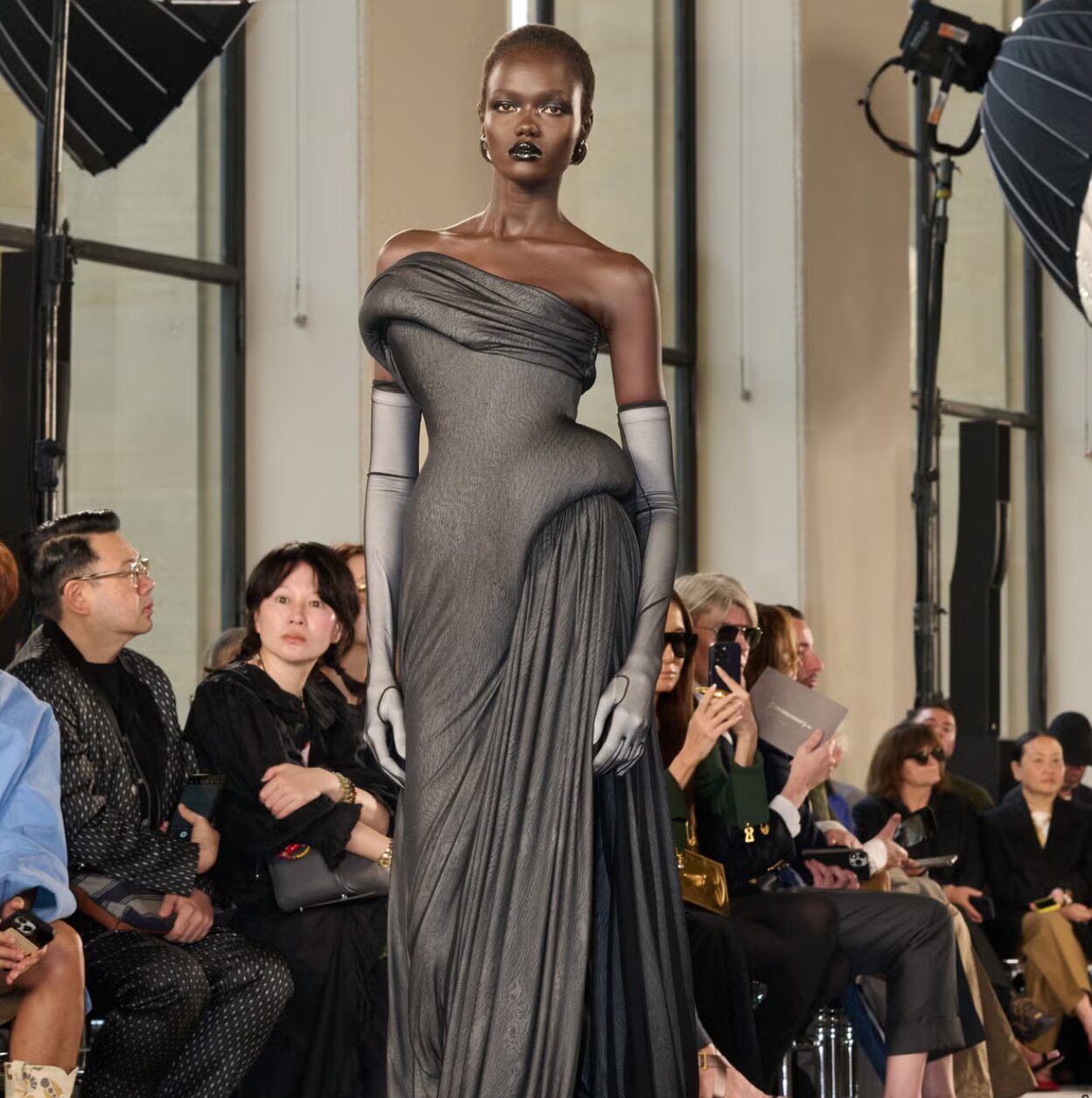
Schiaparelli Haute Couture FW 2025–2026 at the Petit Palais, Paris. Photography courtesy of Schiaparelli via Fashion PR Firm
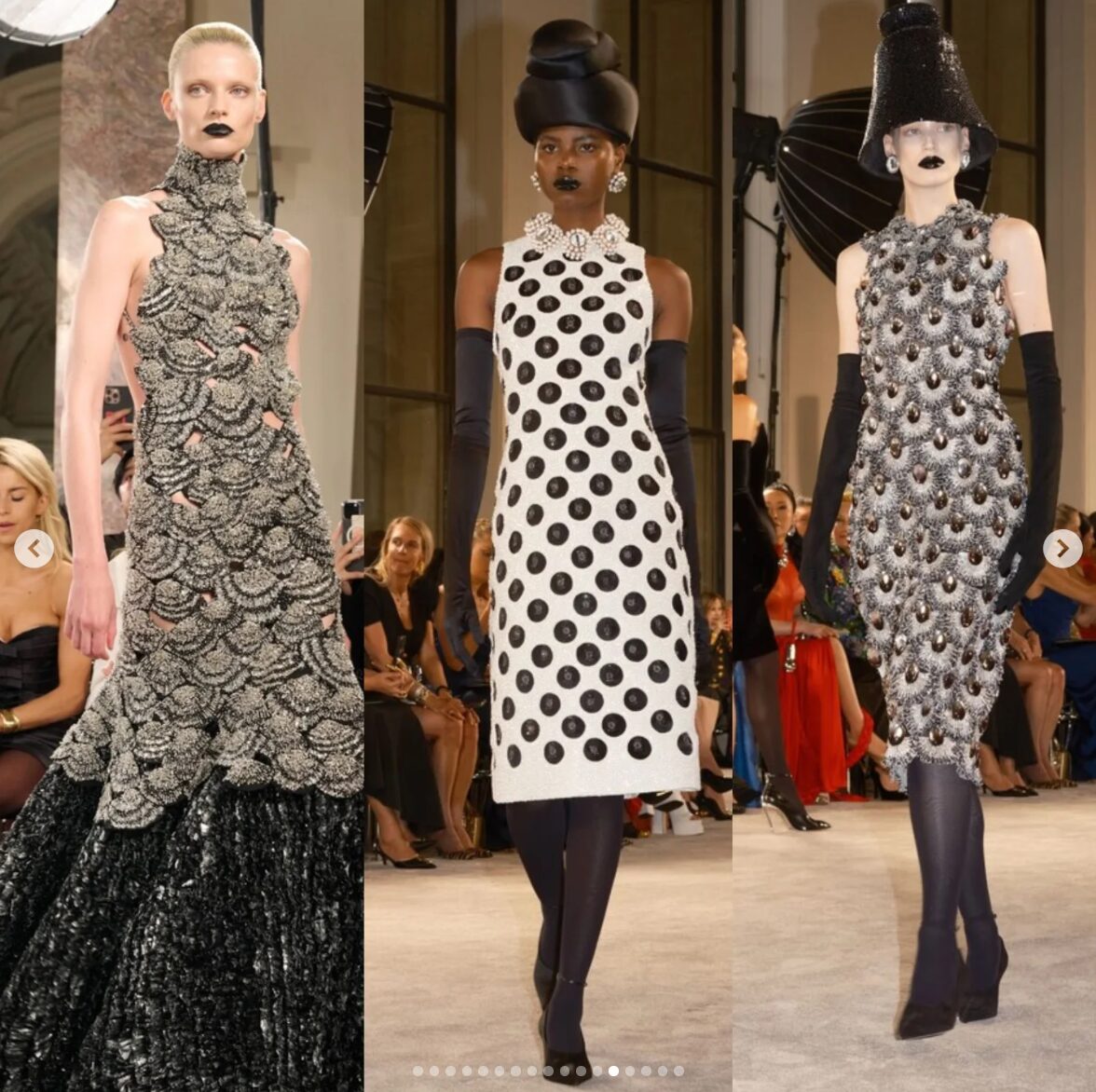
Surrealist detailing from Schiaparelli's 'Back to the Future' collection — polka dots, embellished scales, and sculptural silhouettes. Photography courtesy of Schiaparelli via Fashion PR Firm
The wider board
The couture stage sits inside a larger reshuffle. In two years the major houses have changed hands at the top faster than the industry has seen in a generation. Demna left Balenciaga for Gucci. Pierpaolo Piccioli moved into Balenciaga. Anderson left Loewe for Dior. Blazy left Bottega Veneta for Chanel.
Couture week is where several of these moves are judged in the same room, on the same days. Paris in July turns into a scorecard. The houses that show couture carry the most history, and history is the hardest brief to answer.
Why it matters
Couture loses money for most houses that stage it, and it stays on the calendar anyway. The collections set the language the rest of the brand speaks for the next year. A handbag, a lipstick, a pair of sunglasses sells partly on the memory of a gown almost nobody can buy.
There is also the matter of clients. Couture is bought by a small group of women who pay six figures for a single piece and expect to be known by name. They do not switch houses lightly. A new designer has to keep them while drawing the next generation in. July is the first season where that balance can be read with any confidence.
For Anderson and Blazy, July is also a signal to the people who own these houses. Dior and Chanel are two of the largest names in French fashion, and their owners treat couture as a reading on whether the new direction is landing. The clothes make the argument. The balance sheet listens later.
January introduced the names. July tells us what they plan to do with the houses they were handed. The ateliers are already cutting, and the season will be measured on the runway, stitch by stitch.
Photography courtesy of Schiaparelli via Fashion PR Firm.