
Sabrina Carpenter walks the steps of the Metropolitan Museum on the first Monday of May. Her gown is made of film. Real film, the celluloid kind, cut into strips and crystallised across a black tulle halter by Jonathan Anderson at Dior. The stills are from the 1954 picture for which Carpenter was named. The dress reads exactly as it was meant to. A small love letter, embellished and worn in public.
Anderson designed the look for the gala’s “Fashion is Art” brief and built it from the bones of the source. Black tulle holds the bodice. The skirt is sheer enough to read the slip beneath. Strips of celluloid, each set with rhinestones, run vertically along the body and catch the light differently with every step. Long beaded strands trail from the back of the dress to her fingertips, and shape into a small set of wings when she lifts her arms.
The film
Sabrina was released in 1954, directed by Billy Wilder, with Audrey Hepburn in the title role and Humphrey Bogart and William Holden in opposite corners of the same affection. Hepburn’s wardrobe was credited to Edith Head, with sketches by Hubert de Givenchy that altered the trajectory of postwar dressing. The picture is a foundational document of fashion’s relationship with cinema. Carpenter has named it as a longstanding personal favourite.
The Dior atelier sourced original celluloid stock for the gown. Each strip carries a fragment of the film, miniature stills frozen mid-frame and surrounded by sprocket holes. From a few feet away, the look reads as a beaded tulle gown with vertical movement. Up close, it becomes a moving picture cut into wearable parts.
A jeweled headpiece sits across the brow, made from the same material. The centre pendant carries the title card. The hair was set in soft barrel curls. The shoes are black platform pumps, plain enough to keep the eye on the dress.
Anderson’s hand
This is Anderson’s first red carpet collaboration of any scale at Dior. His name has been on the womenswear couture, the ready-to-wear in March, and the menswear that arrives at the end of June. The Carpenter dress is the first time he has placed a costume on a popular American figure for the cultural event most closely watched by a non-fashion audience.
The choice of reference is precise. Hepburn’s Sabrina is the closest cousin of the gala’s “Fashion is Art” brief, a film about clothing as identity in which Givenchy’s hand entered American consciousness through a black cocktail dress and a white satin gown. Anderson has said the connection between Dior and cinema is something he wants to draw out across his tenure. The gown for Carpenter draws it out almost too neatly. The reference reads, the construction holds, the wearer carries her own name.
Every Met Gala carries a few looks that read as serious. Carpenter’s reads as devotion. She named her own film and wore it on her body.
Léa FontaineThe host committee
Carpenter sat on the 2026 host committee alongside Doja Cat, Teyana Taylor and Misty Copeland. After dinner she performed inside the museum, working through “Espresso,” “Please, Please, Please,” “House Tour” and a duet with Stevie Nicks on “Edge of Seventeen.” The performance closed the evening’s official billing. The dress had done its part on the steps.
The gala raised a record forty-two million dollars for the Costume Institute and inaugurated the Condé M. Nast Galleries. Costume Art opens at the Met on 10 May and runs to 10 January 2027. Carpenter’s gown will not appear inside the exhibition. It will live, instead, in the photographs taken on the carpet, in the seconds of footage that capture how light moves across celluloid.
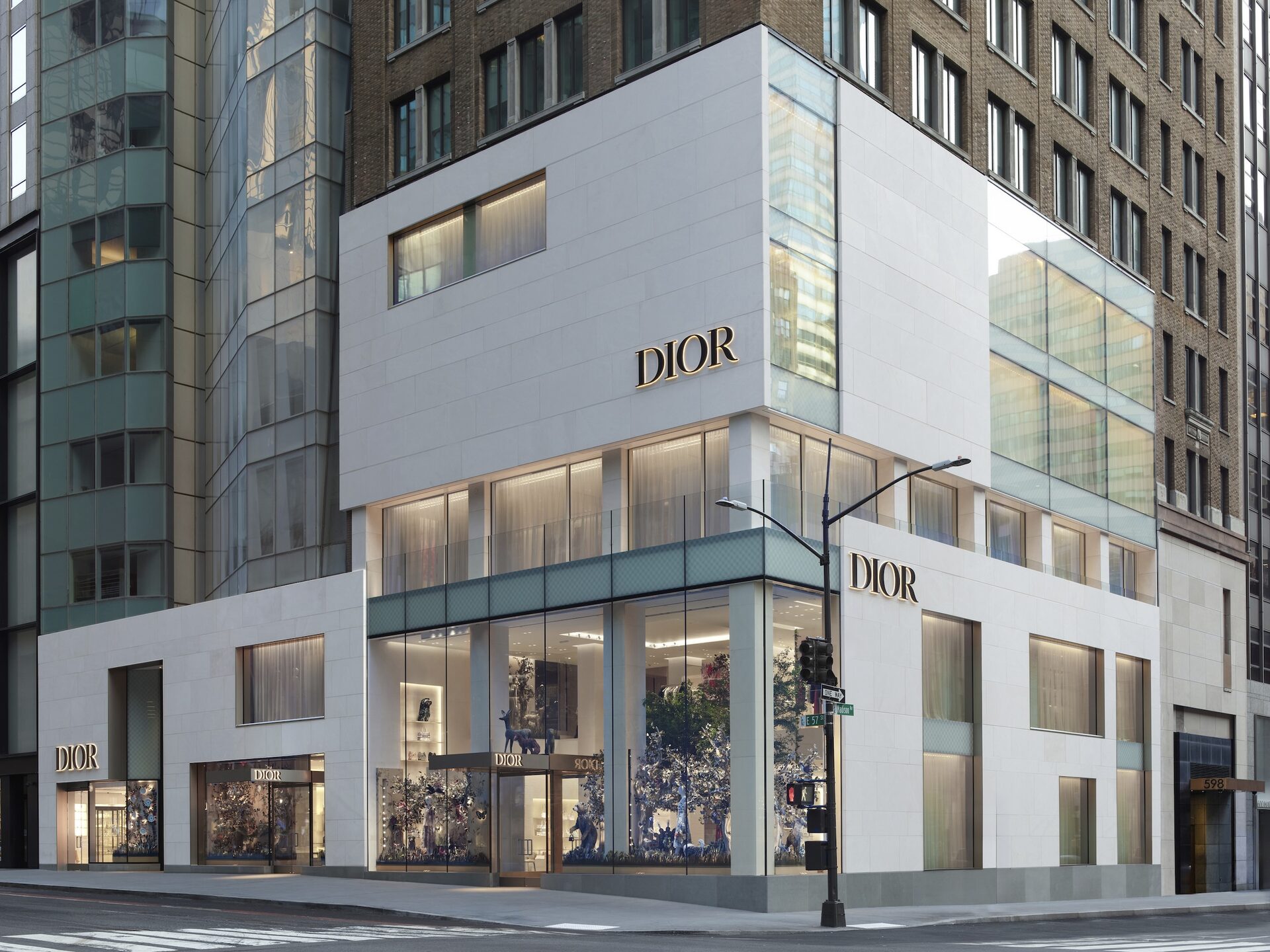
House of Dior, New York. Photography courtesy of The Splendid Edit.
A small reel of cinema, cut and worn, walked into the museum’s front entrance and back out again into the New York night. Anderson built the dress around a single sentence: this is the picture I was named after. Carpenter wore the sentence the way she has worn the rest of her year, with the kind of pleasure that registers as confidence.