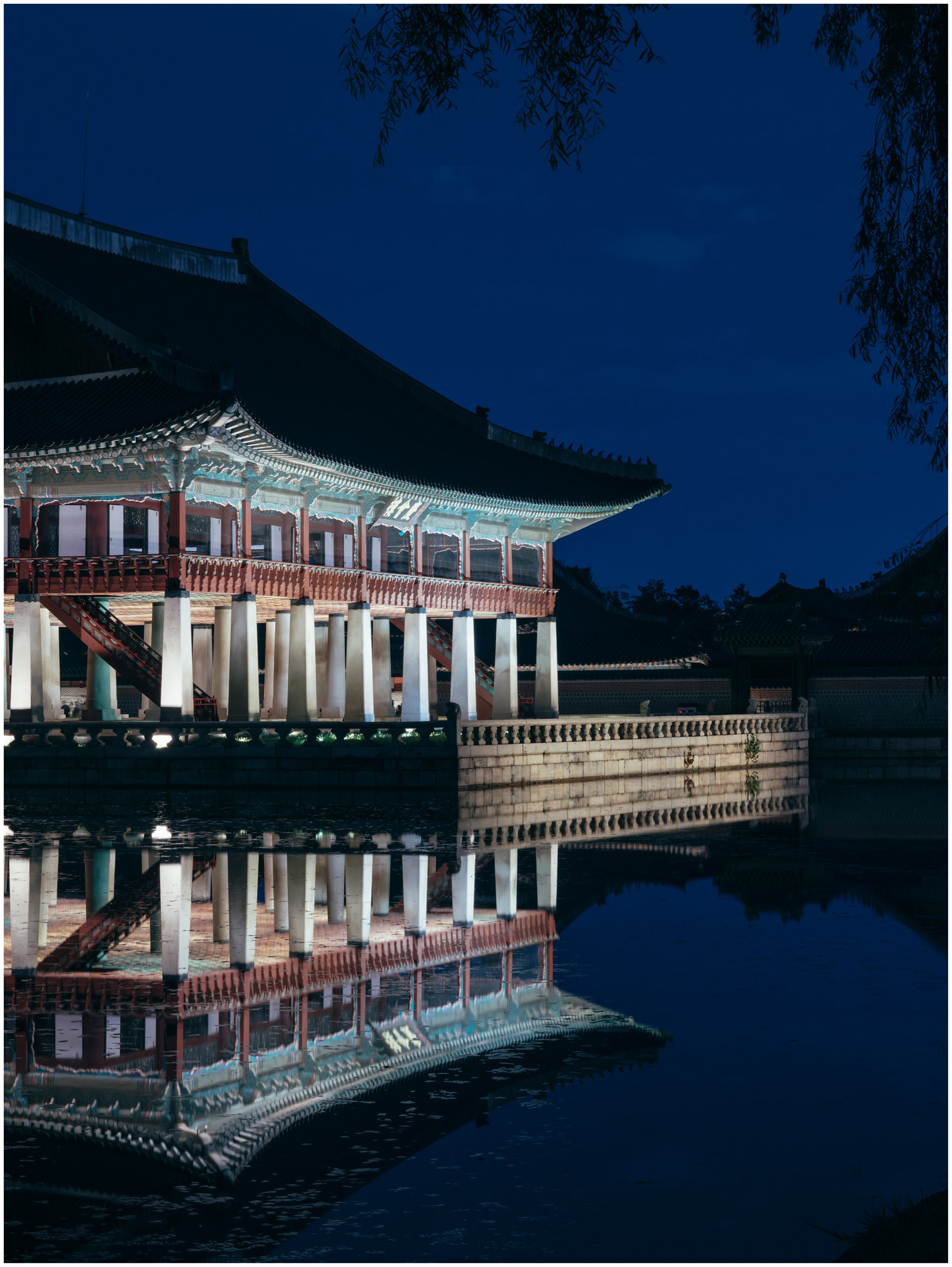
Seoul during fashion week is vertical and compressed. The shows gather at Dongdaemun Design Plaza, Zaha Hadid's parametric landmark in the east. Between Bukchon and Gangnam, between the hanok and the towers, finding where to sleep becomes a decision about how much of the city you want to see.
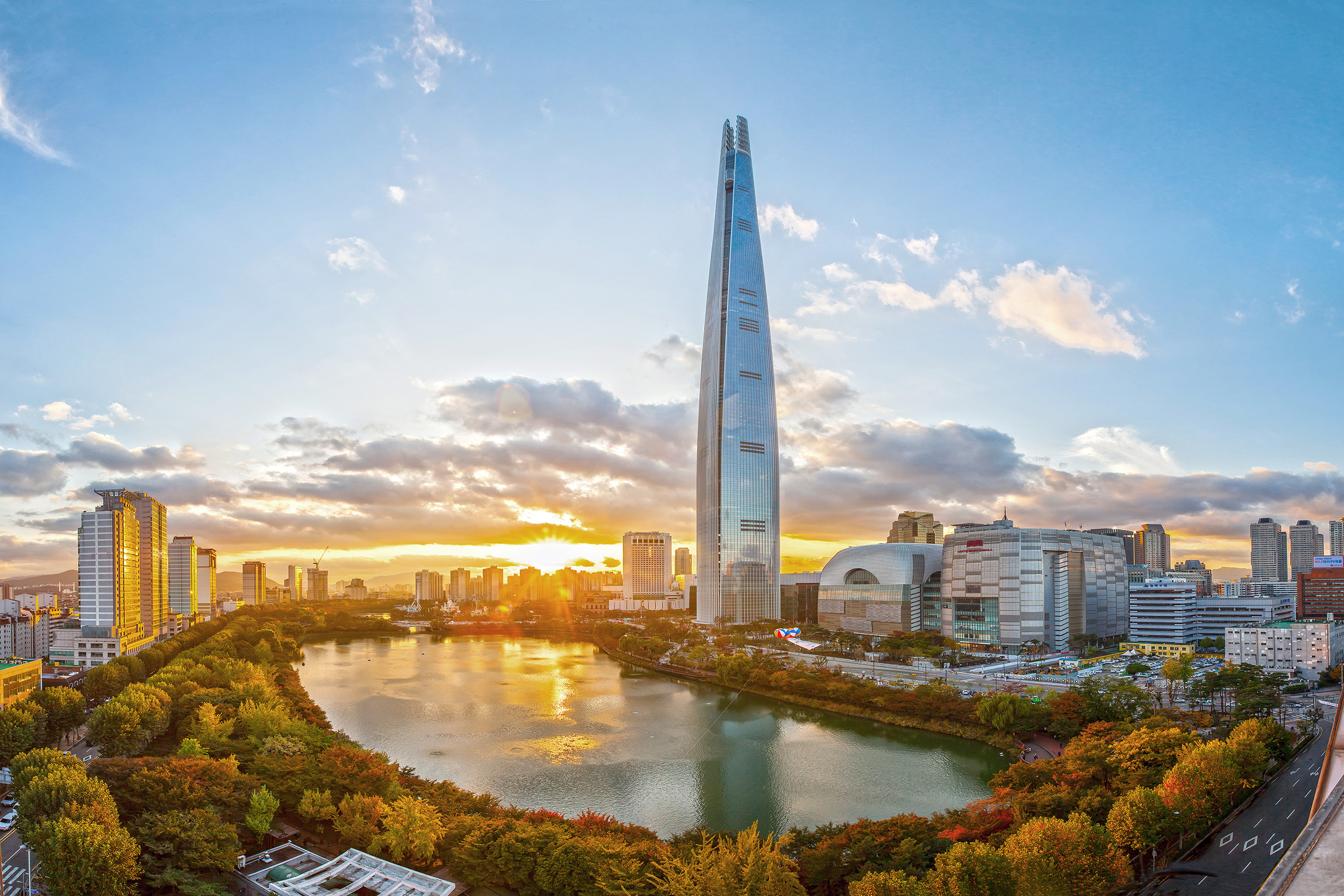
Lotte World Tower, Seoul. Wallpaper*
Dongdaemun Design Plaza sits fifteen minutes east by taxi from the central hotels. Zaha Hadid designed it to look like a spaceship that landed permanently in Seoul. The structure is 65,000 square metres of flowing parametric form. The shows happen here because there is nowhere else large enough. The city continues around it, oblivious and moving fast.
Signiel Seoul The vertical hotel
Signiel occupies floors 76 through 101 of the Lotte World Tower in Jamsil. The tower itself is 555 metres tall, the fifth tallest building in the world. KPF, the American architectural firm, designed it as a needle that pierces the sky. From Signiel, the Han River looks like something that happened far below. Views reach north to the mountains and south across Gangnam and the shopping districts beyond.
Two hundred and thirty-five rooms and suites. The suites start on floor 80. The best rooms face north toward the Han River and N Seoul Tower, a smaller needle that rises from the opposite bank. The Evian spa sits in the tower's upper reaches. You move through the city by elevator, arriving at your destination the way people arrive at other worlds.
From the upper floors, Seoul reveals itself as a place of pure vertical compression and continuous movement.
Camille AshworthJosun Palace Korean tradition, Art Deco restraint
Josun Palace is in Gangnam, the neighbourhood of wealth and commerce and excellent shopping. It opened in 2021 and was designed by Bill Bensley, the interior architect. Bensley merged Korean tradition with the geometry of Art Deco. The result is restraint. The spaces breathe. Nothing declares itself.
Two hundred and fifty-four rooms and suites. The hallways are wrapped in artwork inspired by the Josun dynasty. The lobbies are tall and wood-lined. Boccalino is the Italian restaurant, where the cooking is precise and the atmosphere is quiet. This hotel does not make a spectacle of itself. It offers the comfort of knowing you have chosen correctly.
Rakkojae Hanok in Bukchon
Rakkojae is a traditional hanok guesthouse in Bukchon, the neighbourhood of heritage buildings and narrow streets that run north from Gyeongbokgung Palace. The property is five to six rooms, each in restored heritage buildings with heated ondol floors. The bar serves Kori gin, made with ten different local botanicals. The guesthouse is walking distance to the palace and the temples. If you want Seoul reduced to its oldest geometry, this is the place.
Park Hyatt Seoul Design and proximity
Park Hyatt is in Gangnam near COEX, designed by Super Potato and Takenosuke Sakakura. One hundred and eighty-five rooms. The windows go from floor to ceiling. The Timber House bar is dark and wood-lined and serves drinks correctly. This hotel is for people who want the city without the neighbourhood, proximity without context.
Dining in Seoul during fashion week means restaurants that move fast. Onjium, near Bukchon, serves Korean tasting menus and has no capacity for hesitation. Book weeks in advance or do not book. The restaurant respects the intelligence of the palate and nothing else.
DDP is a fifteen-minute taxi ride from any of these hotels. Bukchon is old Seoul, a place where fashion feels distant and temporary. Gangnam is new Seoul, where the city erases its past. Choose the direction you want to face and book accordingly.
The Splendid Edit visited Seoul in March 2026. Signiel Seoul rates start from approximately $200 per night. Josun Palace from $280. Rakkojae from $150. Park Hyatt from $220. Book direct or through your preferred booking partner.
Photography courtesy of Seoul Tourism Organization — © 2026