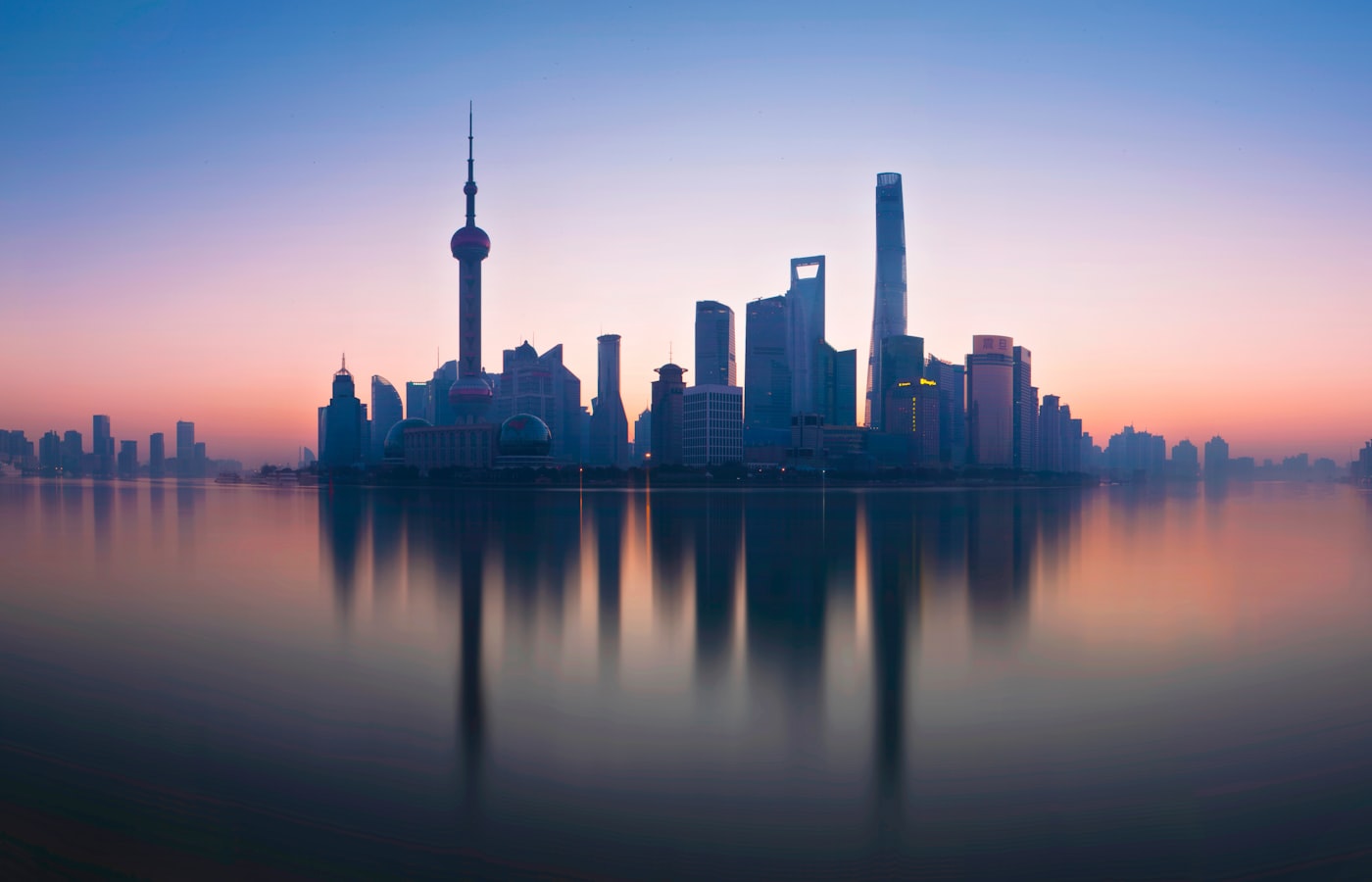
Shanghai Fashion Week opens under the banner Design Ahead, Fashion Ascends. The theme is accurate. The Xintiandi Main Tent anchors five days of shows. Labelhood stages its emerging talent programme three blocks east. Between them, a generation of Chinese designers presents work that owes nothing to European precedent and everything to its own evolving vocabulary.
The schedule runs in late March. Temperatures hover around fifteen degrees. The plane trees along Huaihai Road are bare. The city looks its sharpest in early spring, stripped of the haze that softens summer into impressionism. This is fashion week weather. Clean light. Hard edges. The clothes match.
HPLY opens the programme at the Xintiandi tent. EP Yaying closes it. Between these two poles the schedule reveals a fashion culture that has moved beyond homage. The designers working here today understand the Western canon. They studied at Central Saint Martins and the Royal Academy of Fine Arts Antwerp. They interned at Céline and Balenciaga. They returned to Shanghai with technique and chose to build something original.
The Shanghai Four
Four names concentrate the city's creative authority. Shushu/Tong, founded by Liushu Lei and Yutong Jiang, builds its collections around a precise femininity that reads as both tender and sharp. The tailoring is immaculate. The fabrics are deliberately girlish. Bows appear on structured blazers. Lace trims a coat cut with military severity. The tension is the point.
Oude Waag works in a different register entirely. The label builds sculptural volumes from technical fabrics, creating silhouettes that appear to float around the body rather than follow it. Each collection refines the proposition rather than abandoning it. The discipline is visible in every seam.
Samuel Gui Yang operates at the intersection of knitwear and architecture. The textures are complex. Mohair meets engineered mesh. Hand-crocheted panels slot into tailored coats. Mark Gong completes the quartet with a practice rooted in precise colour work and considered proportion. Together, these four designers represent the core of what global buyers travel to Shanghai to see.
The designers returned from Europe with technique and chose to build something original. Shanghai is no longer a satellite. It is a source.
Camille AshworthLabelhood and the next wave
Labelhood functions as Shanghai Fashion Week's laboratory. The platform was founded to give emerging designers a professional showcase before they reach the main schedule. It works. Yirantian, Garcon by Gcogcn, Ao Yes, and WMWM all present collections here this season. The production values are high. The casting is sharp. The clothes justify the attention.
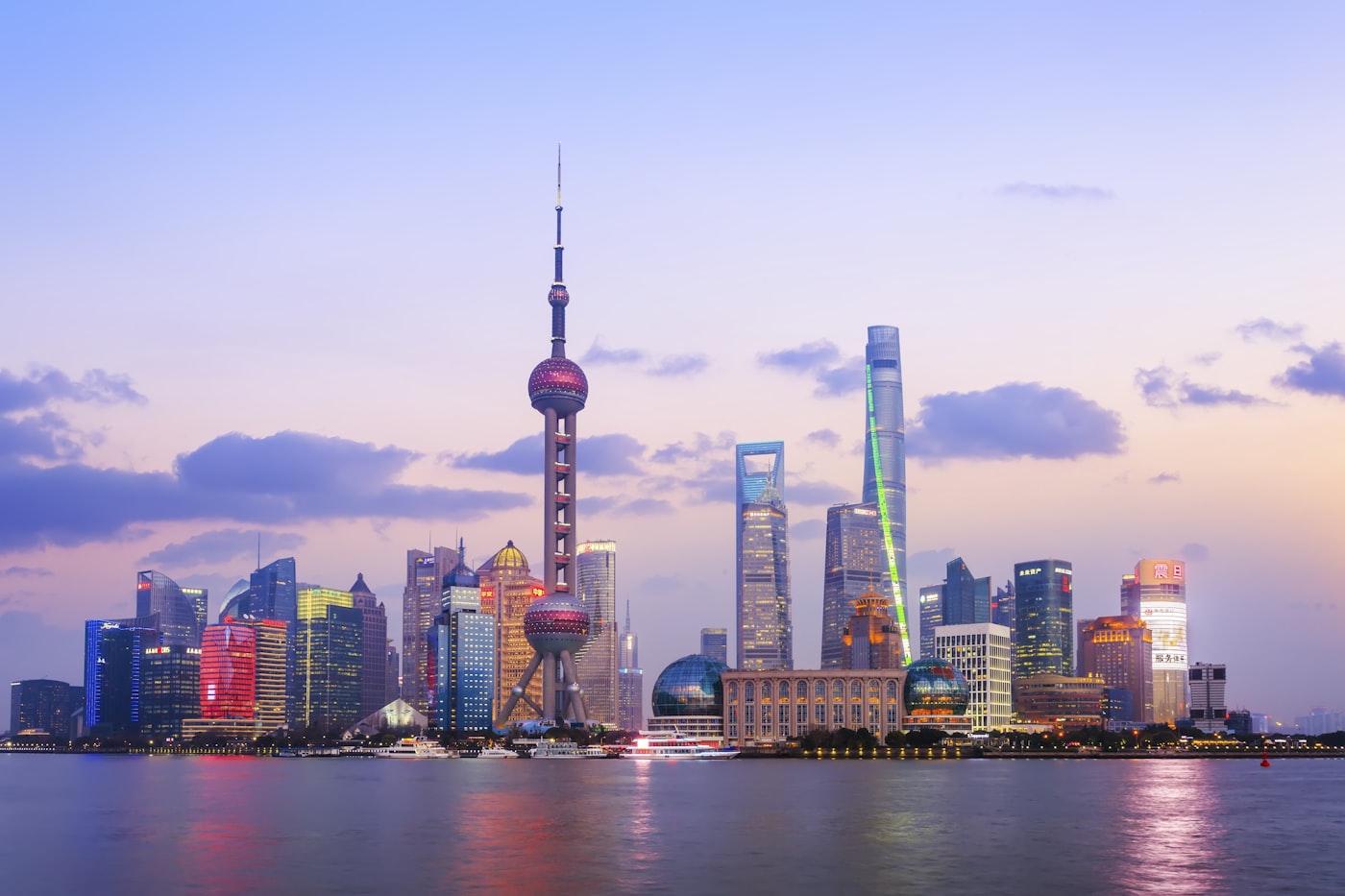
Shanghai's contemporary architecture mirrors the precision of its emerging fashion. Unsplash
Sankuanz brings a different energy. Shangguan Zhe founded the label after graduating from Xiamen University in 2007. He sold his first pieces to musicians, artists, and skaters in the neighbourhood shops near campus. The brand was an LVMH Prize finalist in 2015 and began showing on the Paris menswear schedule the following year. The aesthetic blends luxury construction with streetwear irreverence. Gender is treated as a spectrum rather than a binary. Traditional Chinese garment construction informs the silhouettes. The Bumpy sneaker, with its chunky sole that appears to melt into the ground, captures the spirit of the entire project.
The Margiela moment
Maison Margiela stages its Autumn/Winter 2026 ready-to-wear collection in Shanghai on 1 April. The house announces an initiative called MaisonMargiela/folders, comprising a runway show, a series of exhibitions across China, and an open-access digital archive. The exhibitions are free to attend. Registration opens on 17 March. The choice of Shanghai over Paris for a mainline collection signals something larger than a marketing exercise. It acknowledges where the energy and the audience now reside.
International brands are arriving through the Shanghai platform with increasing regularity. This season, labels from Vietnam, South Korea, Italy, France, and Denmark all present collections. They come seeking growth. They find a fashion week that functions not as a trade fair but as a genuine cultural event, where the front row includes collectors, curators, and architects alongside buyers.
Design Shanghai, the city's parallel design fair, ran its 2026 edition across four days in March under the theme On the Stage. The programme examined intersections between craft, fashion, interiors, and daily objects. Yin Dahua merged traditional Chinese joinery with minimalist sculptural furniture. Kubo Paper Studio reinterpreted 1,300-year-old paper-making techniques. Pusu showed Ming-style furniture finished with lacquer. The fair confirms what the fashion week demonstrates. Shanghai builds its creative identity from heritage materials and contemporary ambition in equal measure.
The city dresses with intent. The designers working here today are not emerging. They have emerged. The international press that once treated Shanghai Fashion Week as a regional curiosity now books it alongside the established four. The work demands it.