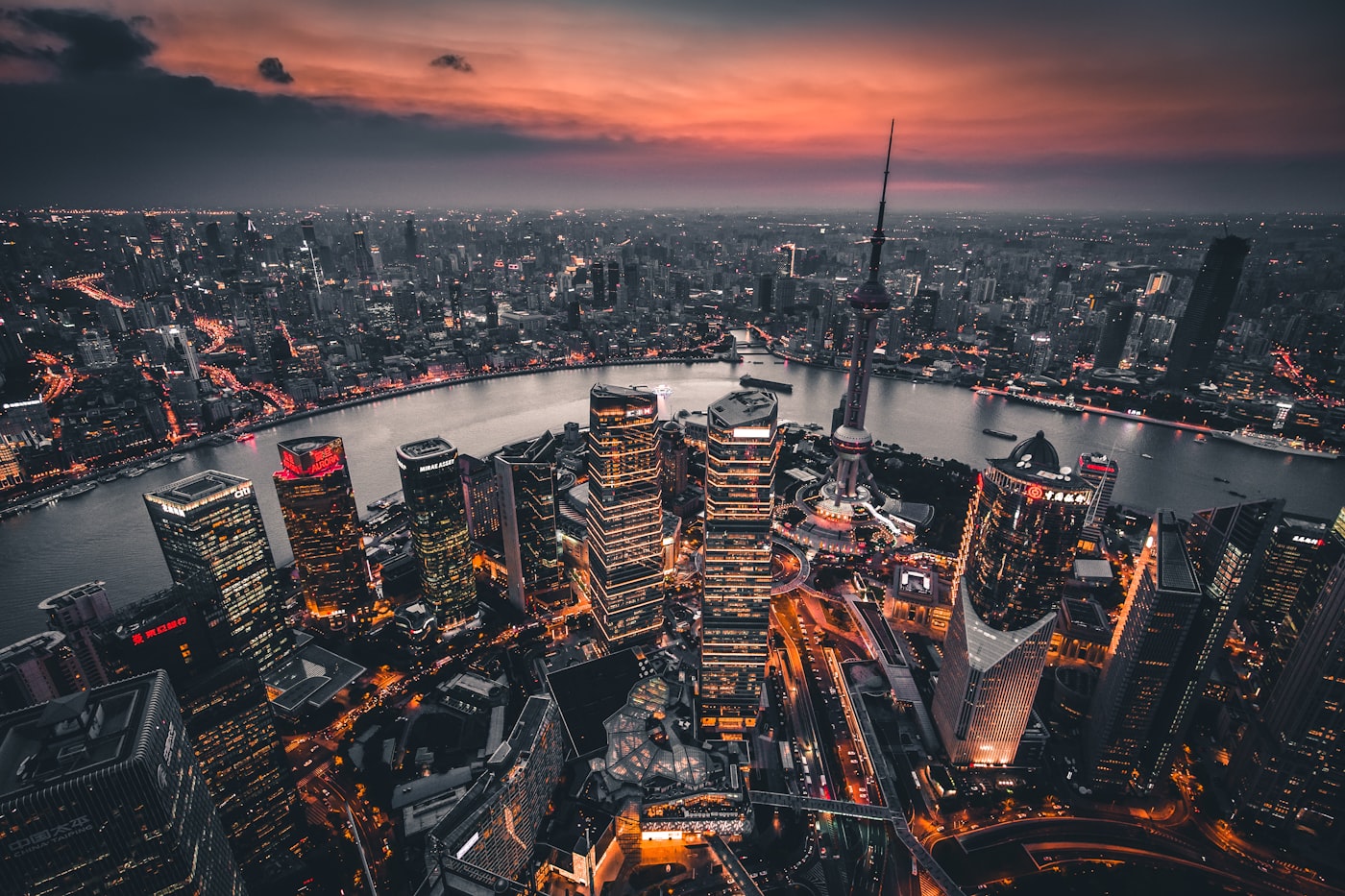
Shanghai builds fast, preserves selectively, and designs with a specificity that makes most global cities look interchangeable. The hotels worth staying in during fashion week understand this. They do not import a house style from abroad. They respond to the city as it is: layered, precise, and unafraid of contradiction.
Three properties define the current moment. Each occupies a different geography and a different register. Together they trace a line from restored antiquity through industrial reinvention to contemporary calm.
Amanyangyun
Amanyangyun exists because of a fifteen-year conservation effort that relocated 10,000 camphor trees and fifty historic homes from Fuzhou to Shanghai, a distance of over 700 kilometres. Kerry Hill Architects restored thirteen of these homes, transforming them into one- and two-bedroom villas set within enclosed garden compounds complete with private swimming pools. The structures date back four centuries. The ceilings soar. The timber beams and ornate stone carvings are original. The additions are calibrated to disappear: low-key indirect lighting, swathes of local nanmu wood, understated furnishings in neutral tones.
An additional twenty-four suites were newly built with subtle Asian inflections. Latticed screens filter the light. Lamps reference traditional forms without replicating them. The layout follows the structure of a traditional Chinese home. Each suite opens onto a private courtyard.
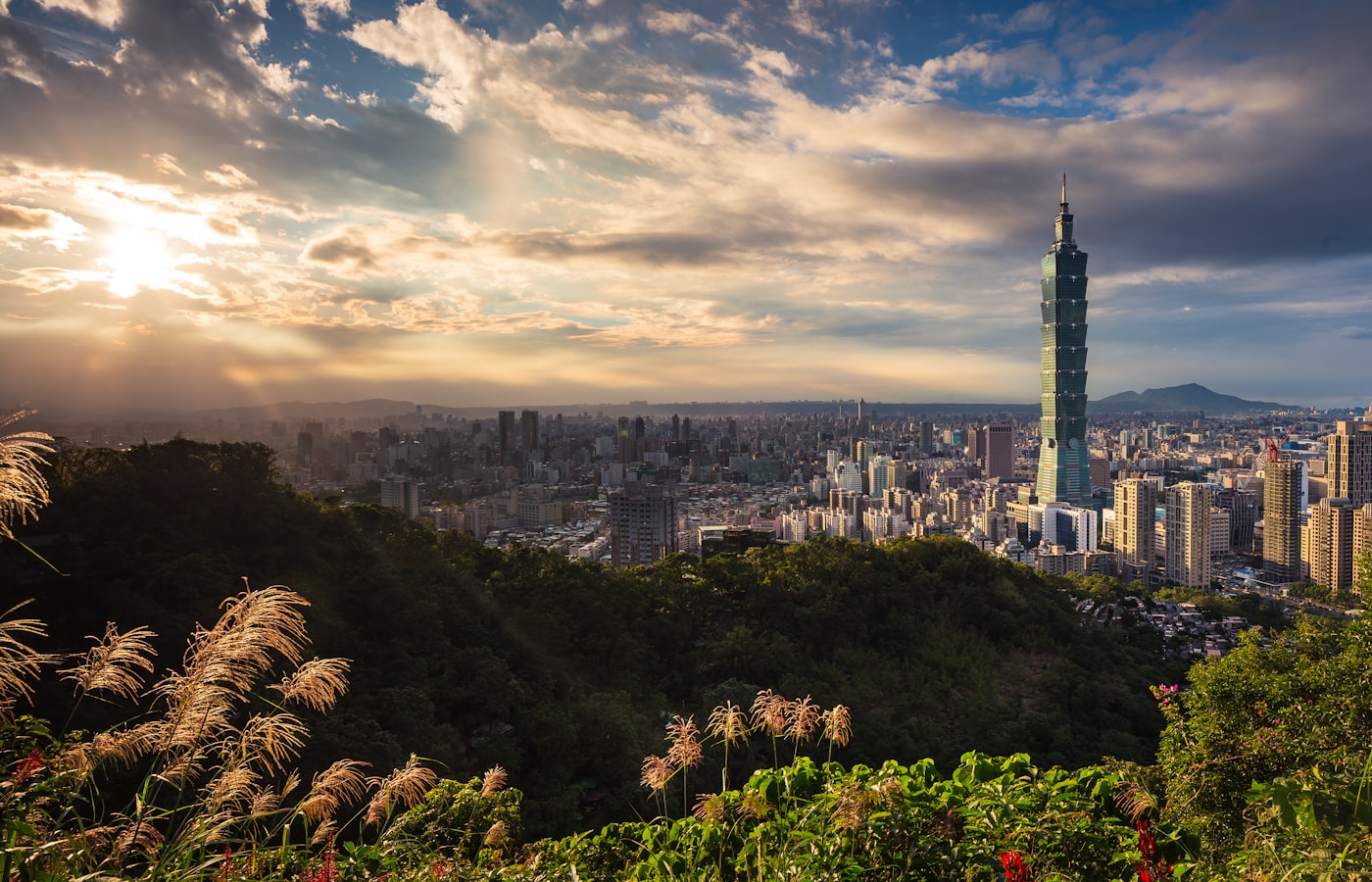
Shanghai preserves four centuries of garden tradition alongside its contemporary skyline. Unsplash
The property sits on ten hectares of land approximately one hour southwest of Shanghai proper. Three restaurants operate on the grounds. A cinema screens films in a restored hall. The Nan Shu Fang cultural centre teaches calligraphy, traditional music, and painting. The spa is immense. Amanyangyun is not a convenient base for the Xintiandi show tents. It is something more valuable. It is a place where the pace of the city becomes irrelevant, where the 400-year-old rooms hold the silence that Shanghai itself no longer permits.
The 400-year-old rooms hold the silence that Shanghai itself no longer permits. The city builds forward. Amanyangyun holds still.
Léa FontaineThe Shanghai Edition
The Shanghai Edition occupies a pair of adjacent buildings that once housed electric companies, located just off the Bund. Neri & Hu designed the interiors. The firm understands Shanghai better than any practice working today. The rooms number 145. The public spaces span ten levels. An aged bronze spiral staircase connects the floors and sets the material tone for everything that follows: warm metal, dark timber, considered proportion.
Three restaurants serve the property. Five bars operate across the building, two of them on the rooftop with views across the Huangpu River to the Lujiazui skyline. Michelin-starred chef Jason Atherton oversees the dining programme. A nightclub runs late. The spa includes a lap pool. The ground-floor lounge channels the atmosphere of a gentlemen's club without the exclusion.
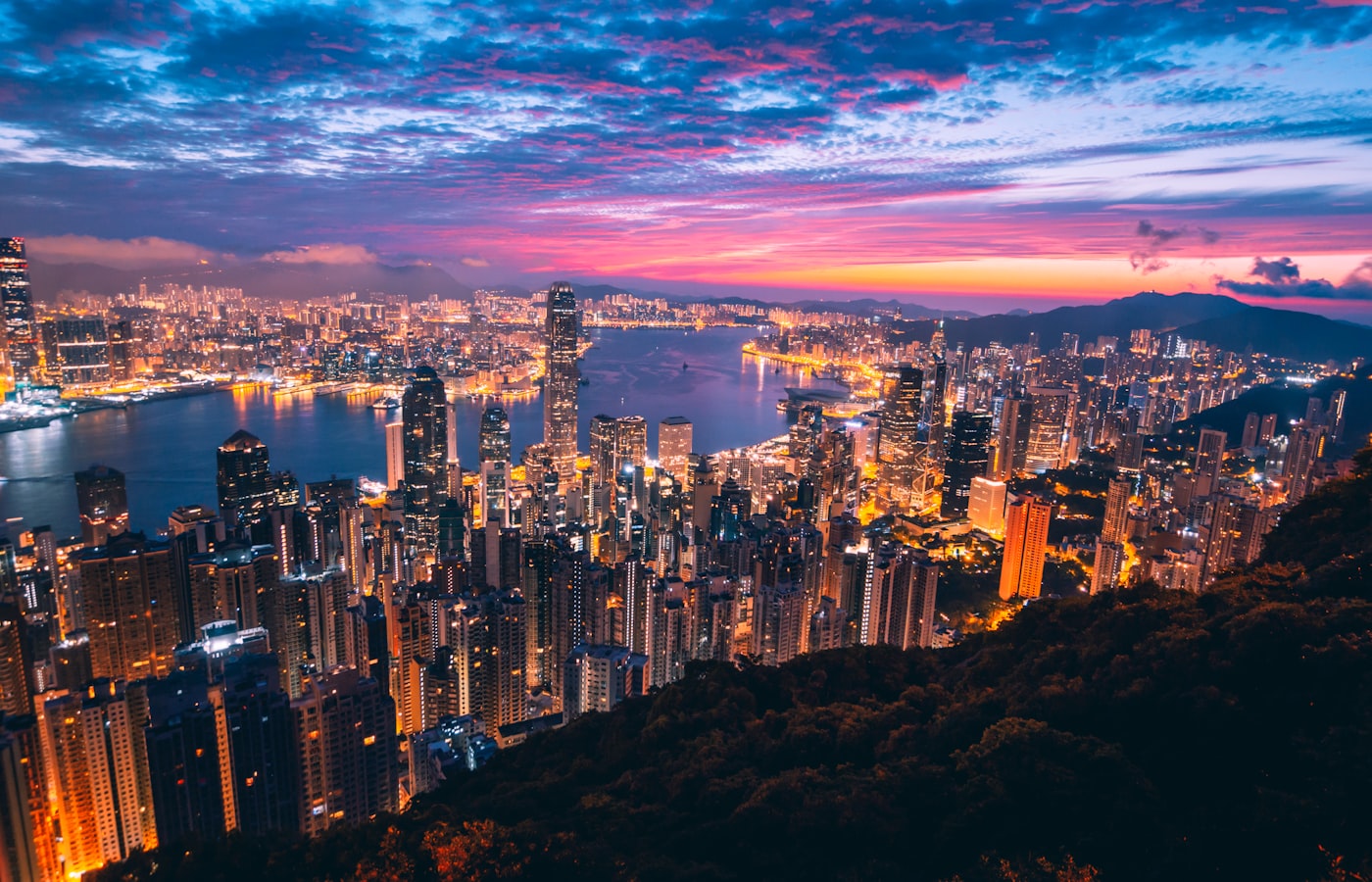
The tree-lined avenues of Shanghai's former French Concession. Unsplash
The location is the argument. The Bund positions the Edition within walking distance of Xintiandi and the main fashion week venues. The Nanjing Road pedestrian strip sits minutes north. The former French Concession stretches south and west, its plane-tree avenues lined with the independent boutiques and concept stores that form Shanghai's retail identity. The Edition functions as a base camp. The rooftop functions as a reward.
Alila Shanghai
Alila Shanghai is the brand's first urban resort in Greater China. It opens in the Jing'an district, one of the city's densest and most energetic neighbourhoods, and immediately establishes itself as a counterpoint. The hotel operates as a space of deliberate calm inside a district that never stops.
The property sits at 500 Weihai Road with private access to Zhangyuan, a lively complex of restored shikumen lane houses. These stone-gate houses represent Shanghai's most distinctive architectural vernacular. Built from the late nineteenth century onwards, they combine East and West in a style that is uniquely Shanghainese. The grey stone facades and the intimate courtyard arrangements have been preserved and reactivated as restaurants, galleries, and retail spaces. Alila guests walk directly into this world from the hotel lobby.
The interiors emphasise restraint. The palette is muted. The materials are honest. A Secret Roof space offers a private retreat above the district's density. The 186 rooms include Premier Suites with separate living areas that function well during fashion week when the hotel becomes a de facto meeting point for buyers and press working the Labelhood programme nearby.
Shanghai deserves better than a chain hotel on the Bund booked for the view. These three properties understand the city. They honour its history, respond to its architecture, and provide the kind of designed environment that makes fashion week travel feel like more than logistics. The clothes are the reason to come. The hotel is the reason to stay.