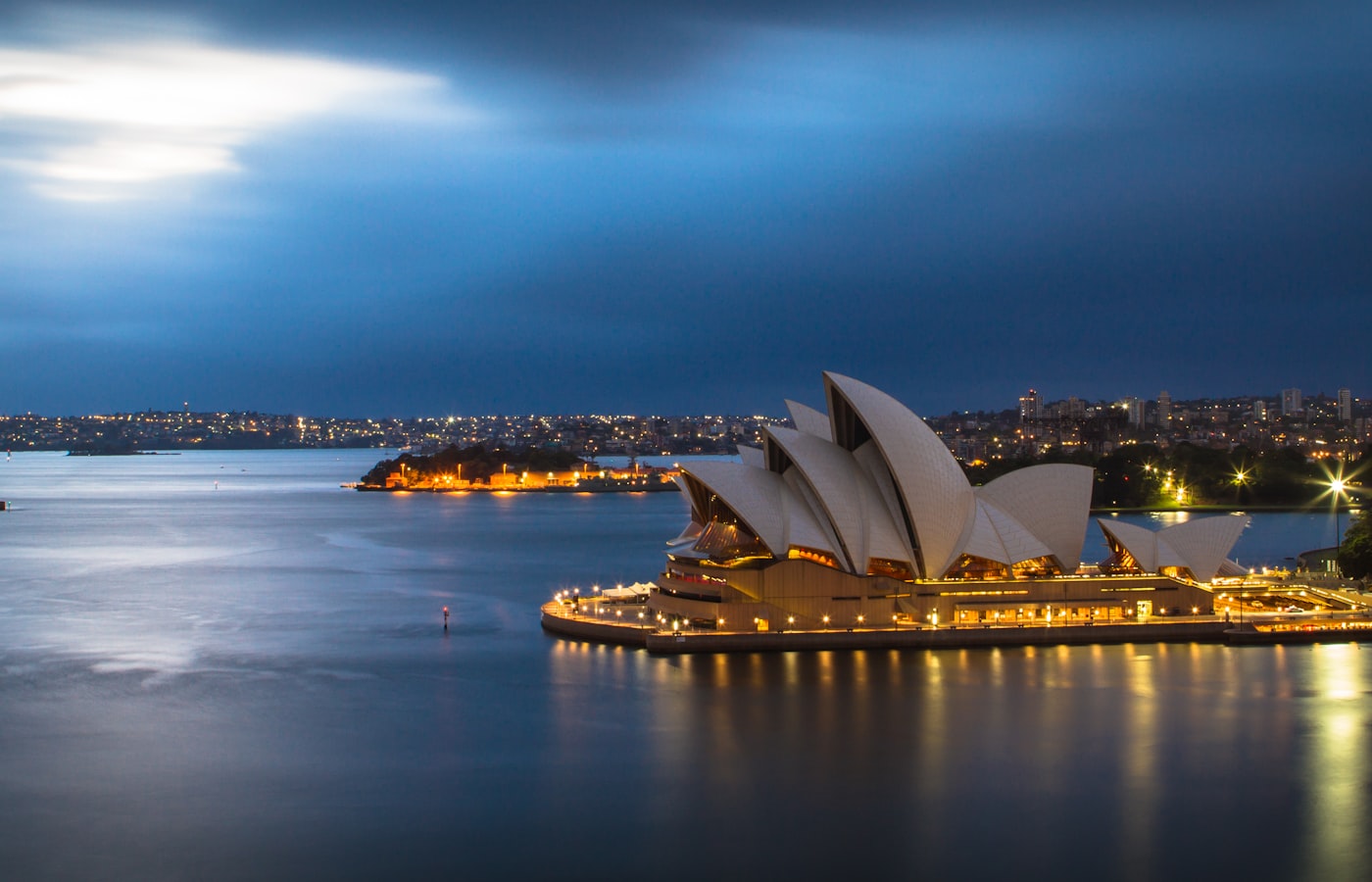
Australian Fashion Week stages its May dates with precision. The timing positions resort and cruise collections at the exact moment global buyers plan summer wardrobes. The collections shown in Sydney are the commercial engine of luxury fashion. These are the clothes that actually sell. Australian designers understand this category intuitively. They live in it year-round.
Resort dressing assumes a particular climate. Lightweight fabrics. Movement. Colour that works in bright light. Relaxed tailoring. The category emerged in response to affluent travellers who needed clothes that performed on yachts, beaches, and resort terraces. European designers traditionally designed resort collections for climates they inhabited for six weeks annually. Australian designers build resort from lived experience. The difference is visible in every seam.
The Sydney Four
Zimmermann holds the foundational position in contemporary Australian resort. Nicky and Simone Zimmermann founded the label in Sydney in 1991. The brand now shows on the New York ready-to-wear schedule. The aesthetic remains rooted in the city where it began. Romantic femininity. Floral prints that read as botanical rather than decorative. Structured silhouettes that require confident dressing. The swimwear operates as a base. Ready-to-wear sits above it. The proportions amplify rather than diminish the body.
Christopher Esber operates from an architectural vocabulary. The cuts are precise. Hardware details interrupt seams. Exposed construction appears intentional rather than accidental. He describes his practice as building stone-covered gold. The hardness of construction reveals beauty underneath. The resort collections employ these principles across linen suiting, cut-out dresses, and considered proportions. Each season refines rather than reinvents.
Dion Lee works in sculptural body-conscious design. His collections for other artists include costumes designed for Rosalía's tour. His philosophy is straightforward. The clothes must make the wearer feel good. Resort pieces prioritize movement and ease within disciplined silhouettes. The proportions are precise. The fabrications are luxurious. Linen. Silk. Cotton blends that breathe in tropical climates.
Aje represents a different proposition. Adrian Norris and Edwina Forest built the label around natural fibres. Linen. Cotton. Fabrics that age beautifully and dress the body lightly. The collections are coastal by disposition. Light colour palettes. Easy proportions. The clothes read as effortlessly expensive rather than studied in their relaxation.
Australian designers build resort from lived experience. The difference is visible in every seam. These are the clothes that actually sell.
Isabelle RoweVolume, proportion, and the Melbourne edge
Maticevski operates from theatrical principles. The silhouettes employ dramatic proportions and volumetric construction. The label shows on the Australian Fashion Week schedule alongside Sydney-based practitioners, though the atelier is based in Melbourne. The clothes command attention. The fabrics are luxurious. The proportions reject conventional dressing. Resort pieces from Maticevski demand confidence and an appreciation for drama.
COMMAS and Christian Kimber represent a different energy in resort menswear. COMMAS offers linen tailoring that avoids stiffness. The proportions are relaxed without becoming slouchy. Christian Kimber builds suiting from natural fibres. The construction is precise. The fit is easy. Both labels understand that resort menswear requires tailoring that functions in heat without losing definition.
Craft and fibres
Nagnata specializes in knitwear and activewear constructed from sustainable fibres. The aesthetics are contemporary. The construction emphasises texture and technical detail. ESSE presents minimal resort pieces that prioritise functionality. Fine linens. Precise proportions. Clothes designed for people who understand that simplicity requires exceptional execution.
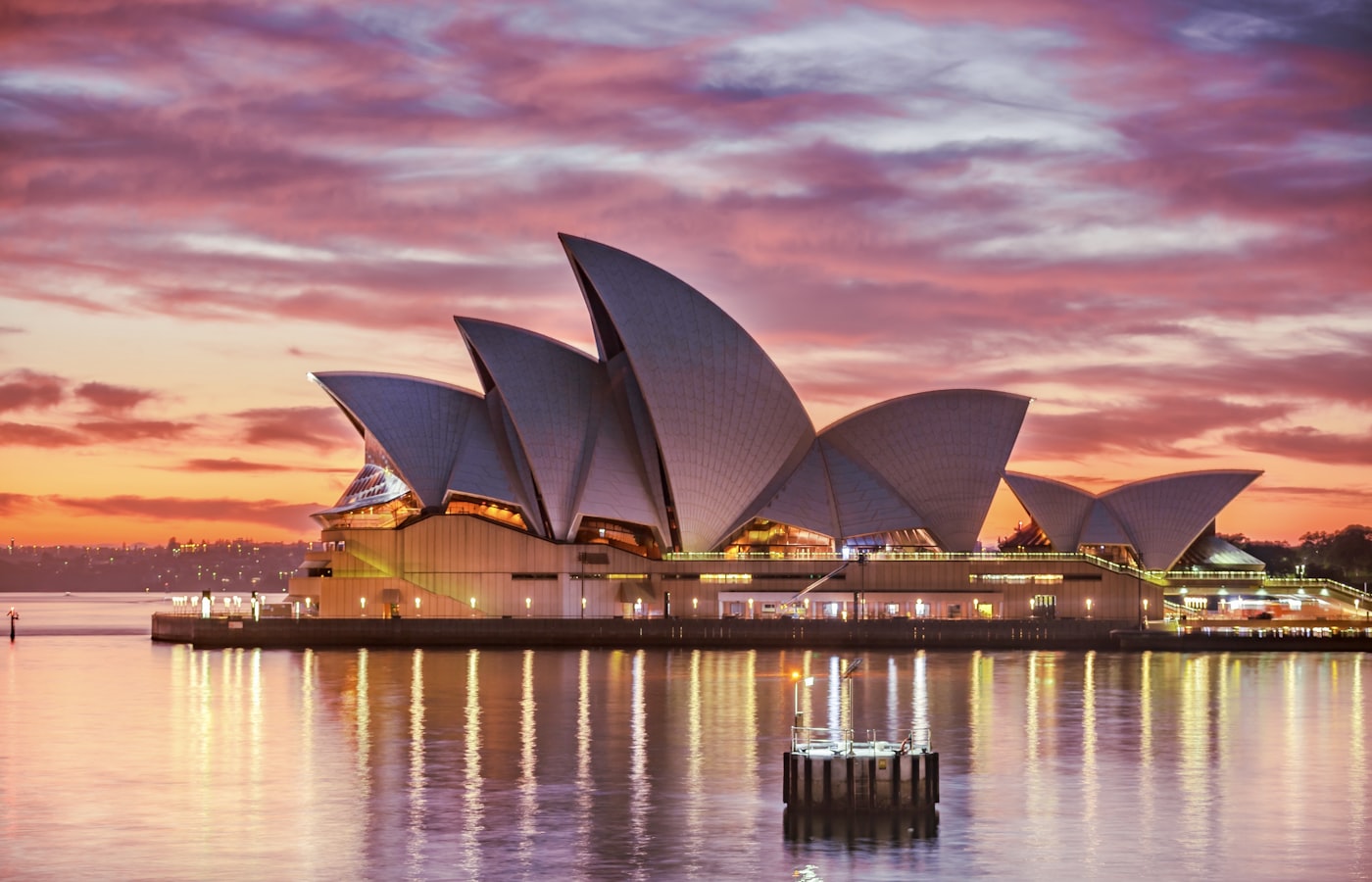
Circular Quay operates as backdrop and functional venue. The fashion week presents collections against harbour views. Unsplash
Australian Fashion Week implements a see-now-buy-now schedule. Public shows conclude with immediate retail availability. The practice reflects the commercial imperative of resort dressing. Buyers commit to collections immediately after viewing. The clothes appear in stores within weeks rather than months. The velocity requires confidence from designers and buyers alike. The Australian practitioners have developed this rhythm over successive seasons.
The Museum of Contemporary Art at Circular Quay hosts the principal venue. Harbour views operate as backdrop. The light is pure. The vantage over water creates context for clothes designed for movement and travel. The contrast with European fashion weeks becomes obvious. Paris stages fashion against historical architecture and edited urban geometry. Sydney stages fashion against water and sky. The clothes respond to this context. The relaxation is not laziness. It is precision deployed toward ease.
Resort represents the moment where Australian designers hold genuine advantage over European practitioners. The clothes emerge from lived experience. The light, the climate, the culture of coastal living informs every proportion and every fabric choice. European designers must research these conditions. Australian designers inhabit them. The audience recognises the difference. The collections shown in Sydney in May represent the commercial and creative authority Australian fashion has built over successive seasons.