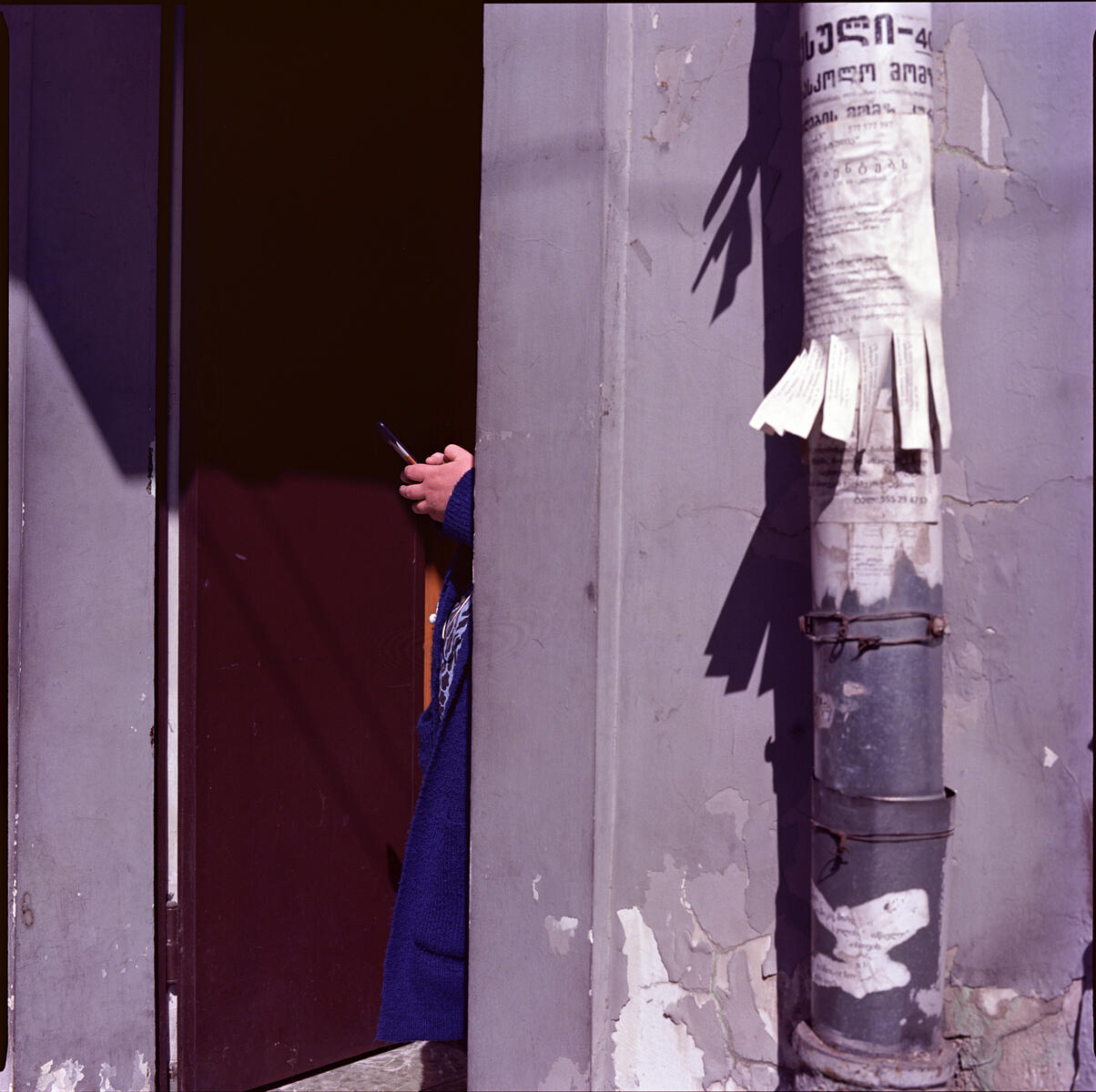
Tbilisi emerges as one of 2026's most compelling travel destinations. The city transforms beneath the hands of architects and designers who see possibility in Soviet brutalism and ancient streets. Culture and creativity converge here in ways that feel urgent and new.
Wallpaper* named it one of the year's essential destinations. The designation carries weight. It signals that something has shifted in how the world sees this capital. Tbilisi moved beyond reputation and into moment.
The architecture reads as contradiction. Art Nouveau building fronts face brutalist Soviet structures across cobblestone squares. Soviet-era apartment blocks find second lives as design galleries and artist studios. The juxtaposition creates visual energy that photographs capture and walking through the streets confirms.
Three hotels signal the design conversation happening here. Rooms Hotel Tbilisi occupies a renovated Soviet-era structure. The interiors move between industrial materials and refined minimalism. The hotel understands what contemporary travelers expect from a design-led property. Stamba Hotel exists in a former publishing house. The building's previous life surfaces through original architectural details. Both properties attract visitors who track design developments across cities.
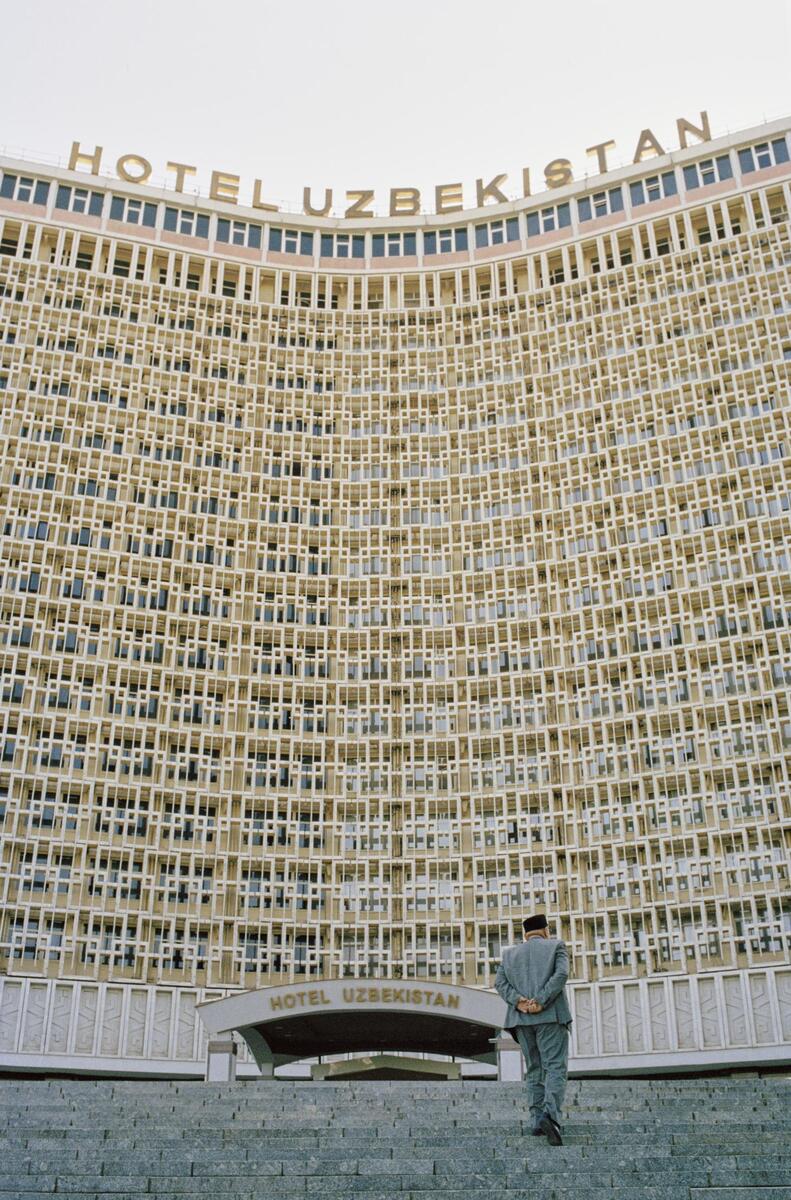
Contemporary interior design meets Soviet heritage.
The wine scene tells another story
Georgia holds an 8,000-year tradition of qvevri wine-making. The ancient method uses buried clay vessels. UNESCO recognizes the practice as intangible cultural heritage. Contemporary wine bars in Tbilisi work within this tradition while serving a modern city.
Restaurants pair complex natural wines with seasonal cuisine. The dining scene reflects how traditional knowledge and contemporary cooking can occupy the same space. Young chefs trained internationally return to Tbilisi and open kitchens that honor Georgian culinary foundations.
Soviet architecture meets a new wave of design hotels, wine bars and creative energy.
Isabelle RoweThe fashion and creative community expands
Independent designers operate from small studios across the city. Fashion weeks draw international buyers and press. Local fashion schools produce graduates who establish brands locally rather than relocating to New York or Paris.
Galleries exhibit work by Georgian and international artists. Graphic designers and studio practices cluster in particular neighborhoods. The infrastructure supports creative work at every scale. Rents remain manageable compared to other design capitals. The cost of production stays low enough that experimental projects become possible.
This combination attracts emerging designers and established practices seeking secondary locations. Tbilisi offers what younger creative professionals need: affordability, space, energy and the possibility of building something from ground level.

Architectural heritage shapes contemporary creative practice.
Why this moment matters
Cities rarely announce their arrival as design destinations. The reputation builds through accumulated decisions by architects, designers and entrepreneurs. Tbilisi accumulated sufficient critical mass during 2024 and 2025 that 2026 registered the shift.
The city did not become new. The infrastructure for design work existed. Young practitioners made work there already. What changed was visibility and recognition from international design publications and institutions.
This recognition means more international visitors. More visitors increase pressure on infrastructure and change local character. The cycle moves fast. Tbilisi today differs from Tbilisi in two years.
The design hotels cost more than they cost two years ago. Wine bars fill earlier in the evening. Neighborhoods popular with international travelers price out long-term residents. This represents the predictable cost of a city becoming known.
The question for travelers is whether to visit now while Tbilisi retains qualities that attracted attention or wait for stabilization. Both answers contain logic. The city today holds something that tomorrow will have shifted. That quality justifies the journey.
Photography: Wallpaper*