Tolu Coker grew up in London with Yoruba parents and a sense that cloth carries information. In her studio, fabric still does. Her clothes function as memory more than they do as trend, and the brand that bears her name is closer to an archive than a label.
The latest issue of 10 Magazine carries the designer in a portfolio shot by Thomas Hauser, styled by Tara St Hill. Model Christie Munezero wears Coker dresses against a tight, almost painterly frame. The pictures are calm. The work behind them is not.
Cloth as language
Coker speaks about fabric the way scholars speak about manuscripts. In Yoruba culture, she points out, textiles announce where a person comes from. There are cloths for mourning. Cloths for celebration. Adire, the indigo-dyed cotton of southwestern Nigeria, runs through her work as both reference and inheritance. Her translation of it sits closer to denim than to costume, the colour carrying across continents and generations.
That sense of textile as document shapes the brand. Coker has said that her clothes can be read later as artefacts, and she designs with that awareness. She wants the women who have gone undocumented to be recorded somewhere, even if the record is a dress.
When I create, I create with things that I’ve inherited. My clothes are my art. And when it’s out in the world, it’s no longer mine anymore.
Tolu Coker, to 10 MagazineSunday best
Coker was raised in a religious household. Ceremony came folded into ordinary life. She talks about Sunday best as a recurring note in her collections, the formality of communal presentation woven into garments that otherwise read as contemporary. There is a London ease running alongside it. She is clear that there is no single Londoner. Everyone in the city is from somewhere else first.
Her route into fashion was not direct. She wanted to be a lawyer. Legally Blonde is a reference she will mention. Clothes, she found, could carry the same arguments without the courtroom, holding contradictions a person might not say out loud.
Unfinished Business
The SS26 collection arrived as a film rather than a runway. Naomi Campbell starred. Coker developed it with her brother Ade. They called the project Unfinished Business and treated it as a meditation on grief, womanhood and diasporic inheritance rather than a sales push. The palette pulled back to neutrals. Silhouettes adapted to bodies that change.
The decision to skip a runway was deliberate. Coker wanted intimacy. The film let her stage the clothes inside a story, not on a schedule. Music sits at the centre of how she works. She asks collaborators whether a garment looks the way a track sounds. The studio runs on what she calls organised chaos, collections starting in journalling, sound or a single emotional state.
Reformative luxury
Coker uses the phrase reformative luxury when she describes what she is building. The argument is straightforward. Luxury cannot keep meaning exclusion. It has to be something a person can recognise themselves inside. She frames craft, collaboration and visibility as the materials of that idea, alongside cloth.
Her growth is paced to match. She talks about laying the foundation steadily, about a brand that should outlast her own name on the label. In a London season crowded with debuts and exits, the patience is the radical part. The clothes are simply the evidence.
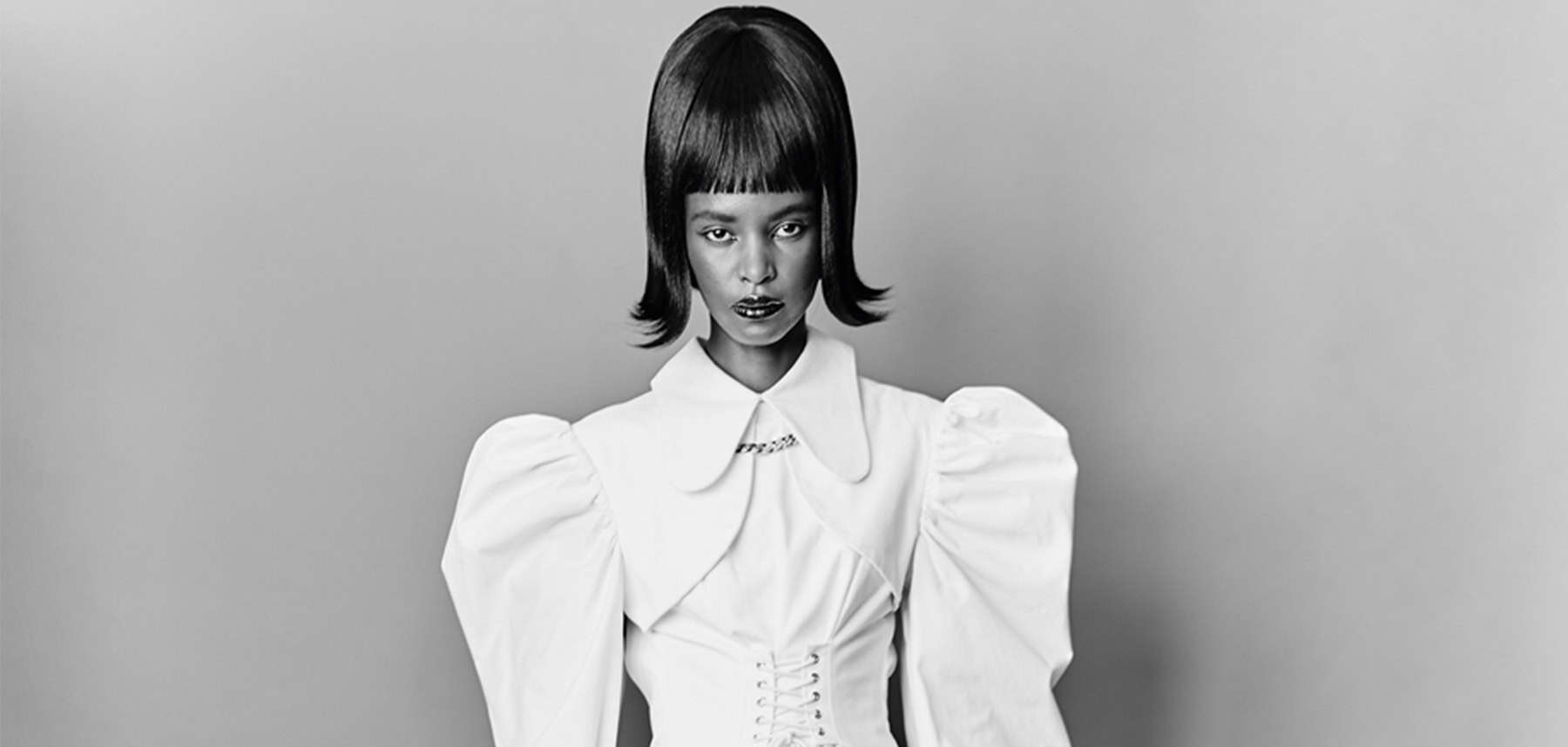
Tolu Coker, London Made portfolio, 10 Magazine Issue 76. Photography by Thomas Hauser
Coker is in 10 Magazine Issue 76, on stands now.