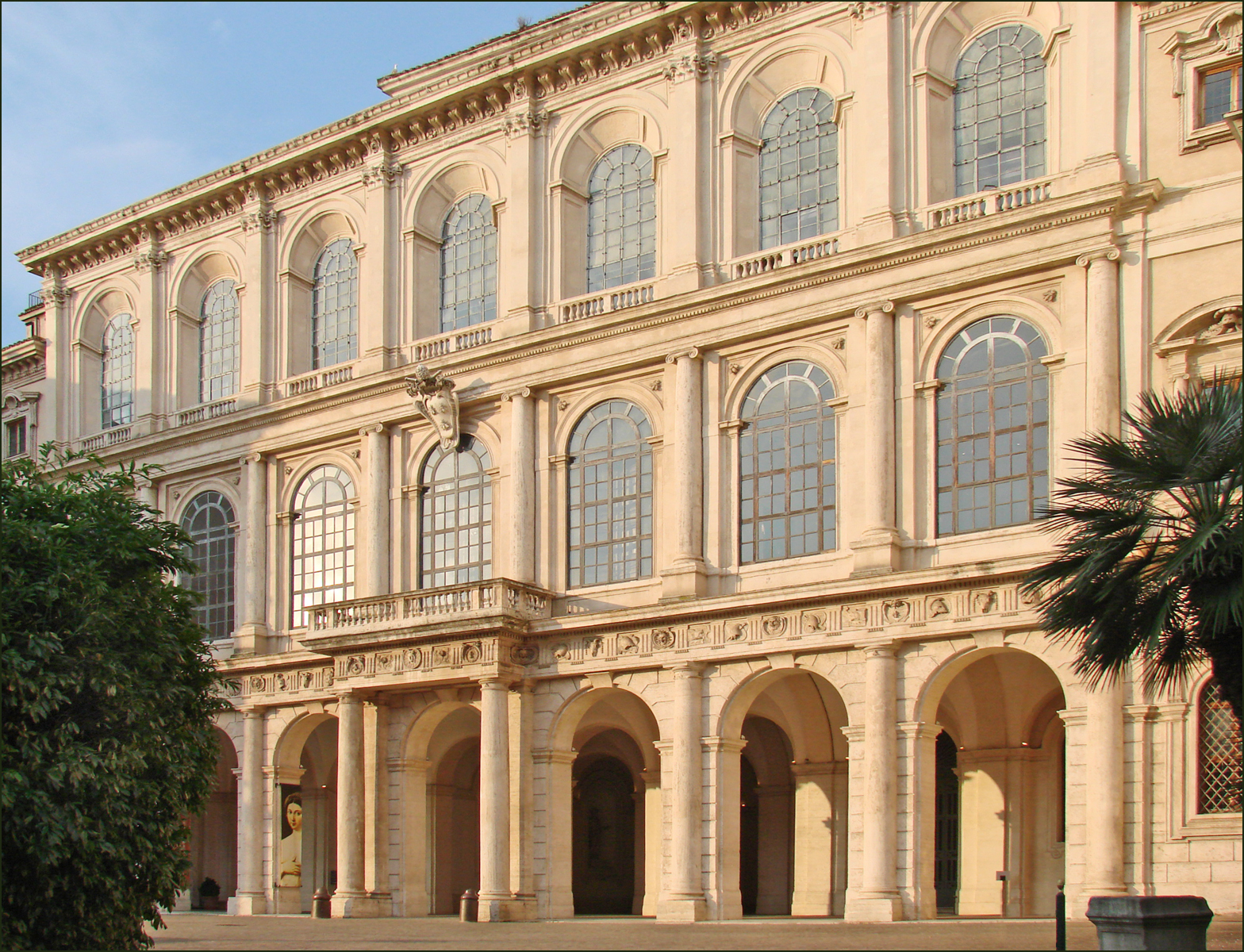
Palazzo Barberini closed fashion month. Two architects, Bernini and Borromini, built this Roman palace while quarreling in stone. Valentino made a collection in the space where their argument never resolved.
Carlo Maderno started Palazzo Barberini in 1633. Bernini took over, then Borromini added the spiral staircase and refused to stop. The two men fought over everything. Borromini believed in curves that resist completion. Bernini wanted surfaces that invite and hold the eye. Both were right. The palace contains their disagreement without settling it.
Valentino made a collection here. The clothes did not ignore the frescoed ceilings or the competing staircases. They did not pretend the space was neutral. Instead, they argued back. The palette moved between Bernini's marble figures and Borromini's refusal of closure; the silhouettes caught both impulses.
The building as statement
A show in a seventeenth-century Roman palace says something different than a show in Paris. Venue shapes how we read what enters it. Valentino chose Rome deliberately.
Rome sits apart from the fashion circuit. Paris dominates. A season-closing show in a Roman palace shifts the geography temporarily. It declares: this is where we belong.
Palazzo Barberini holds two visions in tension. Neither resolves. Valentino found a building that matches what the house is.
Juliette MarchandBernini wanted surfaces the eye could rest on. Borromini wanted forms that refuse to finish. They produced work that outlasted every debate about who was right. Both approaches endure.
The clothes hold ground
The clothes made sense to wear. They were not ideas pretending to be garments. They had considered what it takes to enter a room and change it.
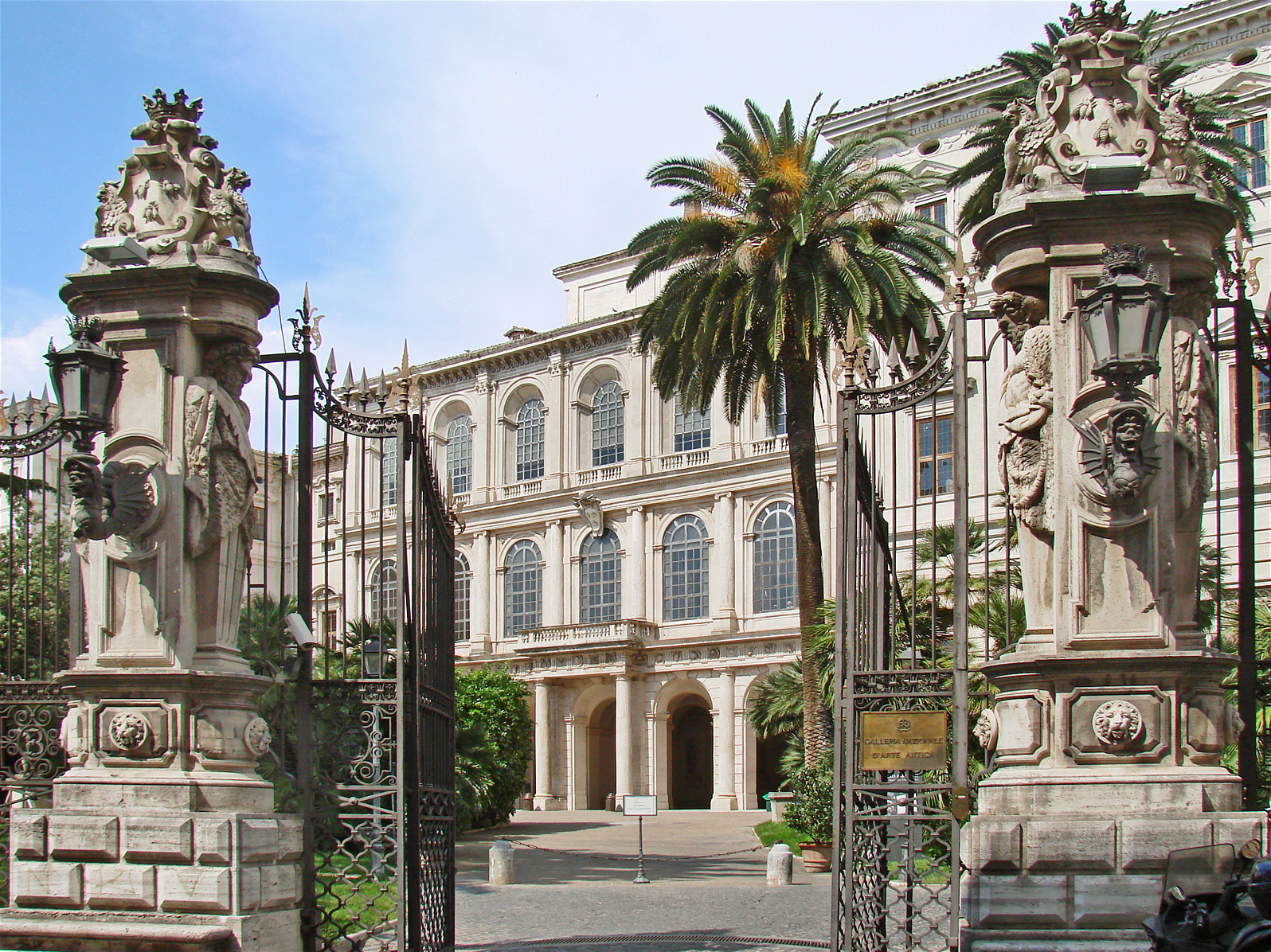
Palazzo Barberini, Rome, begun 1633 by Maderno, Bernini, and Borromini
The silhouettes moved between structure and drape. Some referenced Bernini's marble figures, caught mid-gesture. Others embodied Borromini's curved lines that refuse to finish. Whether this was intentional matters less than whether it holds. It does.
Fashion month closed in a room two architects never finished. The collection understood this incompleteness. It treated unfinished space not as a problem but as the ground where ambitious work happens. Room and clothes aligned. This matters because it rarely does.