The newest Gucci handbag is called the Paparazzo, and the name does honest work. Demna designed it to be slung under the arm and walked past a wall of cameras, the way the starlets of Los Angeles carried theirs when the tabloids still ran the sidewalk.
The bag arrived inside Generation Gucci, the capsule the house revealed in December. It comes in a medium and a carry-all large, cut in soft suede, smooth leather or the double-G monogram canvas; the medium reads sharpest in black leather, the large in sand and brown GG canvas. A Made in Italy luggage tag hangs at the handle and a crossbody strap is included for days when both hands are needed. Prices start at £2,300 for the medium and reach £2,830 for the large.
Under the arm
The silhouette slouches on purpose. Its reference is the pressed-to-the-ribs carry of the 1990s and 2000s, photographed outside restaurants on Sunset Boulevard and through the windows of idling town cars. Those pictures made certain bags famous long before their advertising did.
Gucci has been on the receiving end of that lens for most of a century. Princesses, first ladies and Hollywood leads carried the house through every era of celebrity photography, and the archive holds plenty of frames nobody staged. With the Paparazzo, the house chooses to name the exchange.
Saddle codes
The details reach back further than the name. The webbing stripe across the canvas versions entered the house vocabulary in the 1950s, lifted from the girths that hold a saddle to a horse. The metal bit clamped to the front has been a Gucci signature since the loafers of the same decade, and it has since travelled onto belts, clasps and the waistband of a pair of jeans.
The company began life as a Florentine workshop for leather and luggage, and this is the part of the trade it has never put down. The Paparazzo is soft where the old steamer trunks were rigid, yet the logic is identical: a piece of equipment for moving through public space, built to be looked at while it works.
A bag named for the camera assumes the camera will come. At Demna’s Gucci, it comes.
The Splendid EditDemna’s year
The designer landed at Gucci after a decade running Balenciaga, with the Vetements years before that. His first statement for the house skipped the runway entirely: a short film starring Demi Moore, released last September, announcing a direction he framed as bold and unapologetically sexy. The film was a promise. The February show in Milan kept it.
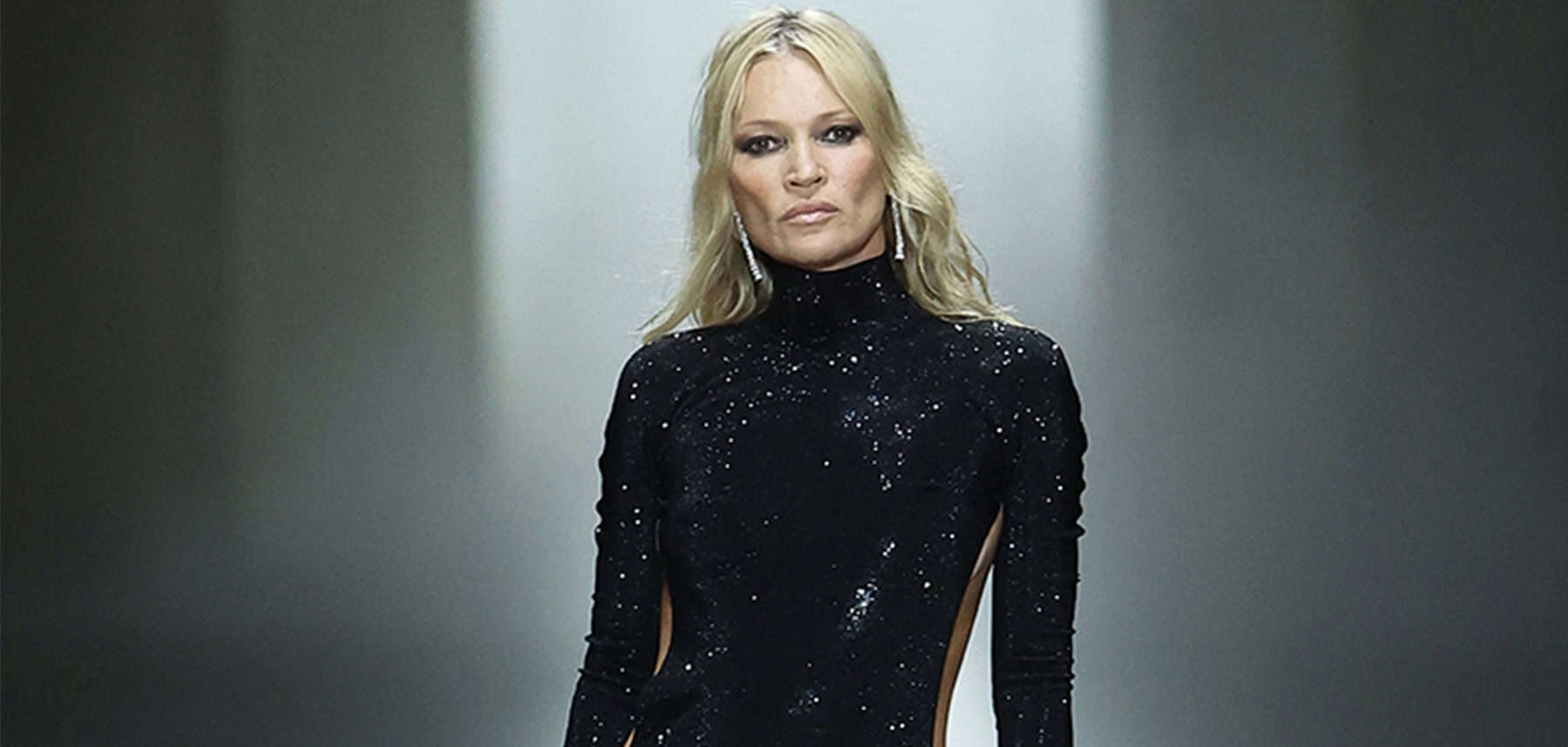
That debut ran across a vast marble floor with Emily Ratajkowski and the rappers Fakemink and Nettspend in the cast. Kate Moss closed it in a backless dress that revealed a double-G thong, a callback to the G-string Tom Ford first sent out in 1997. The photograph travelled around the world before the guests reached their cars.
Ford ran Gucci from 1994 to 2004 and built its modern myth on precisely this exchange between clothing and camera. Demna has said he wants Gucci to work as an adjective, a word a person can simply be. A handbag named for the photographers on the pavement is a small, exact step toward that.
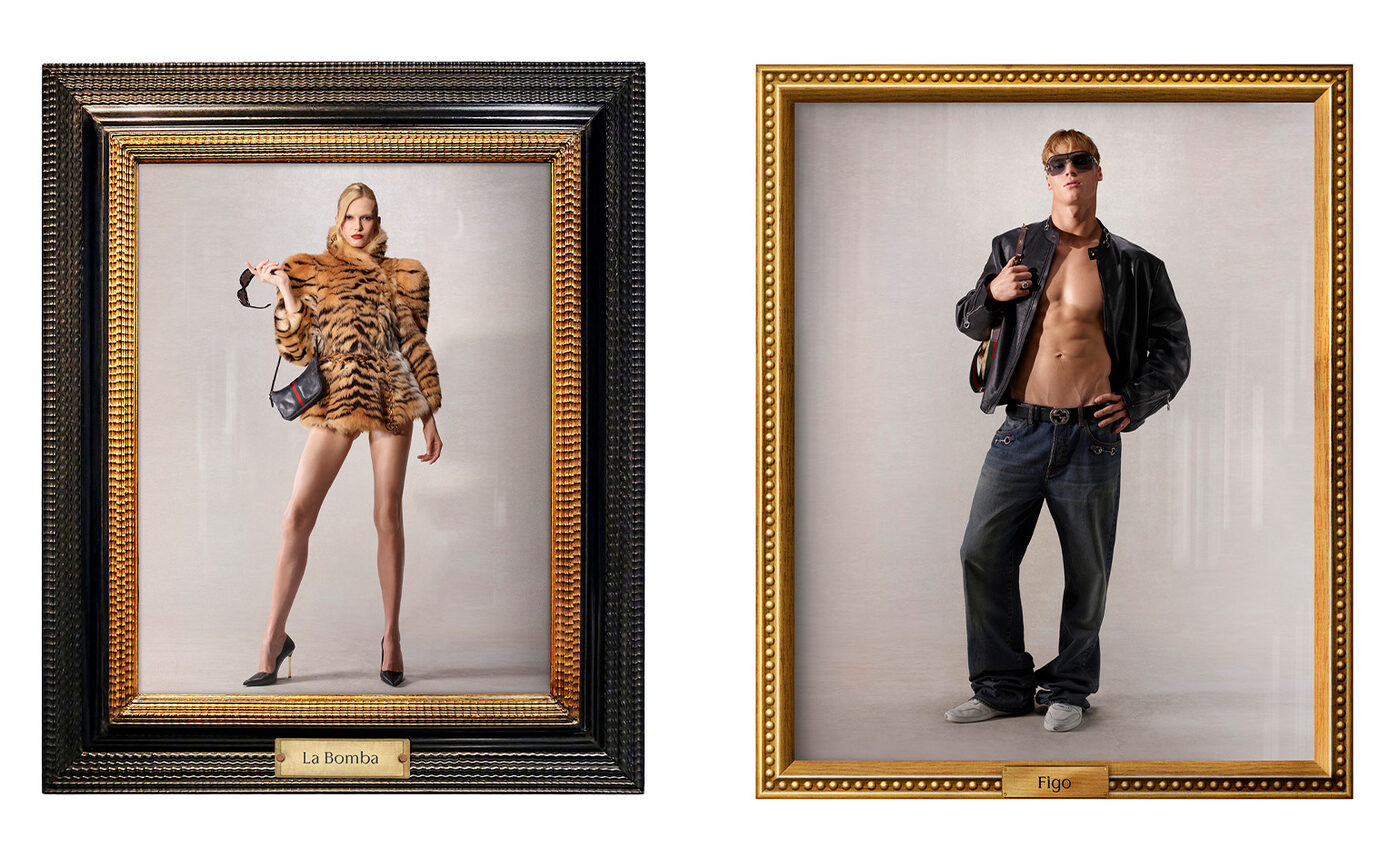
Gucci Cruise 2027, Times Square · Courtesy of Gucci
The Paparazzo will sell on its proportions, which are right, and on its timing, which is better. Gucci has spent the past year being photographed again. Now there is a bag built for the moment the shutter opens.