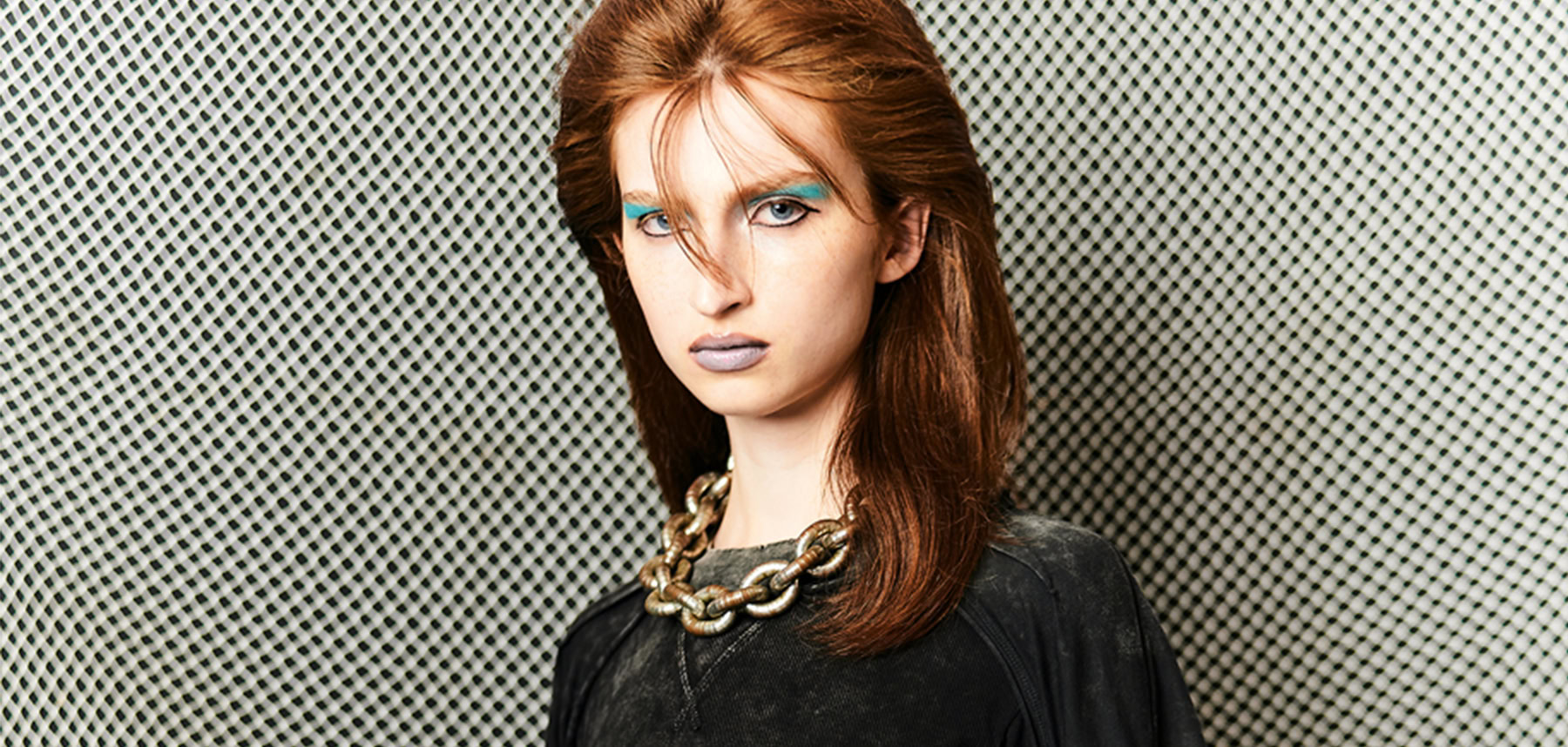
A studio in South Bermondsey. Ten people. A stretch corset worn as outerwear. Charlotte Knowles and Alexandre Arsenault have spent seven years turning lingerie codes into armour, and their Issue 76 feature in 10 Magazine makes a quiet case that London still does what no other city manages: it puts teeth into sex.
Knowles grew up around women who did not apologise for themselves. Arsenault came out of the Montreal metal scene. The meeting point is Knwls, a label built on the friction between the two of them and refined, collection by collection, into a wardrobe for a woman who moves through the world with her shoulders back.
The language of the house reads as engineered. Bonded seams. Stretch panels that run diagonally across the torso. Corsetry pulled out of the museum and reworked in neoprene so it holds the body without trapping it. The clothes sit at a three-way junction of underwear, sportswear and historical dress, and the junction is where the interest lives.
Bermondsey
The studio is a ten-person operation south of the river, close enough to the Old Kent Road to feel industrial, far enough from the West End to stay unprecious. Knwls cuts, fits and samples on site. Nothing travels further than it needs to. The proximity shows up in the clothes. Seams that would not survive a long supply chain survive here because the makers are down the corridor.
London has always rewarded designers who stay close to their own work. Galliano at Central Saint Martins. McQueen in his aunt's upstairs room on Hoxton Square. Simone Rocha in Hackney Wick. Knwls fits that lineage without borrowing its vocabulary. The clothes do not reference the nineties. They inherit its nerve.
The SS26 show
Knwls staged its SS26 outing in Milan, a deliberate move by a house that has outgrown the off-schedule corner of London Fashion Week. The collection arrived under four collaboration banners: Nike, Jean Paul Gaultier, Miss Sixty and G-Star. Each partnership earned its own sentence in the show notes. None of them diluted the codes.
The Nike shoes caught the room first. Corseted lacing borrowed from the sixteenth century ran up a track silhouette, a collision that could have read as costume and instead read as athleticwear grown up. The denim came next, carved with the geometry of girdles and wetsuits. The knits bonded where they should have stitched, and held.
Tara St Hill styled the editorial that accompanies the 10 Magazine feature. Thomas Hauser shot it. Janne, the model, wears the clothes the way Knwls asks them to be worn: as if the body were already in motion and the garment had to keep up.
They have built a language where sensuality and armour share the same seam. London has not had a house like this since the Knowles of the nineties, and this one is hers.
Juliette MarchandThe long game
Knwls has not franchised, has not launched into handbags, has not opened a flagship on Bond Street. The pair keep the team small and the sampling in-house. The result is a label that reads consistent across seven years of collections, which is more than can be said for most houses with a marketing budget ten times the size.
There is a thesis embedded in the work, though Knowles and Arsenault rarely name it. The thesis is that clothes can make a woman feel stronger without asking her to hide. The corset is not a prison. It is a structure. The stretch fabric is not a concession. It is the point.
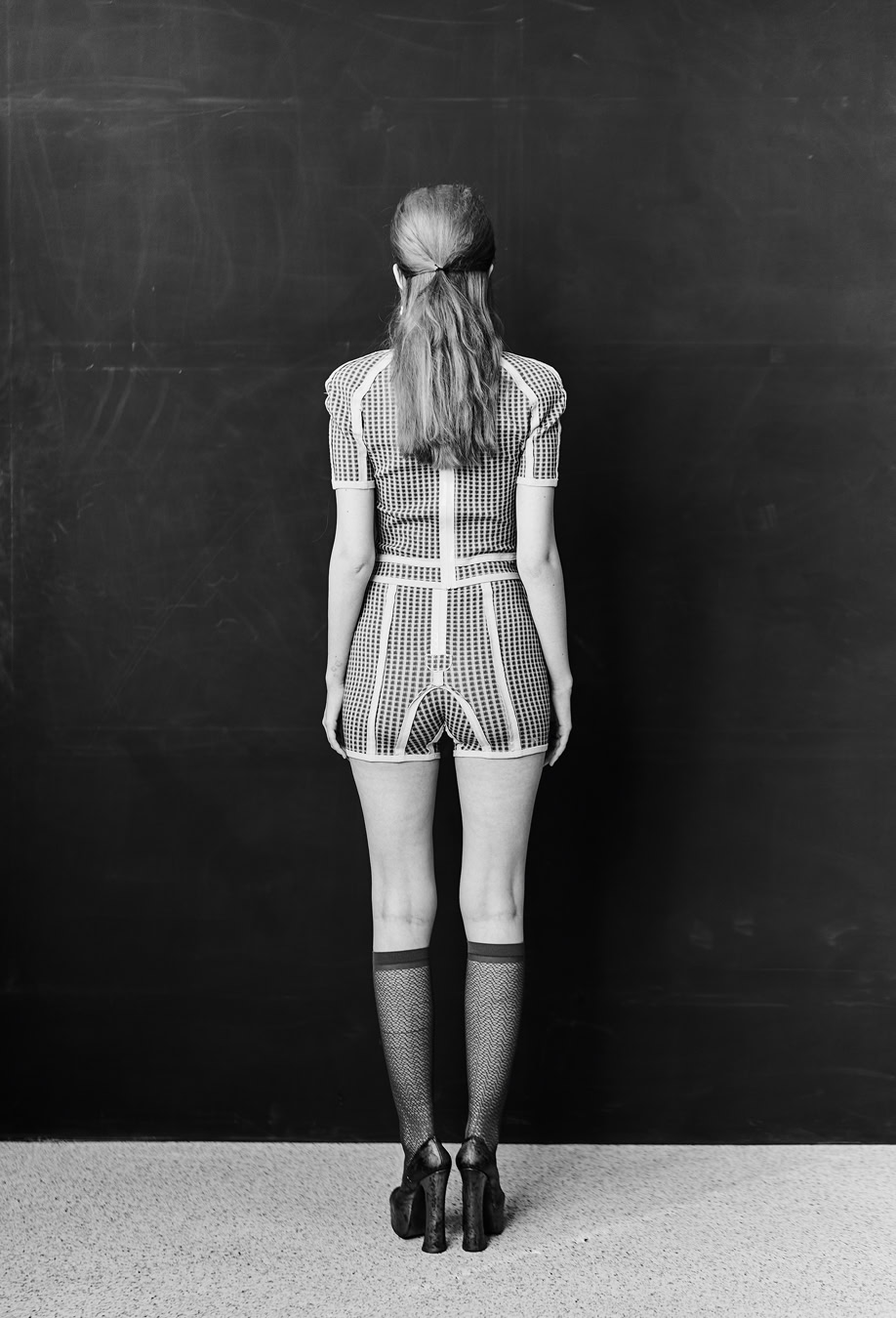
Janne wears Knwls. Photography by Thomas Hauser for 10 Magazine, Issue 76
The last collection closed with Janne walking out in a black stretch dress with seaming that ran like scaffolding down the side of the body. She did not smile. She did not need to.