Ralph Lauren and Coach opened their books before they opened the week. Both showed on the ninth, the eve of the official Spring/Summer 2027 calendar, and both arrived with recent double-digit growth behind them.
The revival talk has been loud for a season now. Cable knits, polo shirts, varsity dressing and accessible leather goods are back in the conversation, and the American names that own those codes are being read as a comeback. A Reuters report from the third of September set the frame, describing legacy labels pulling in younger shoppers across North America and Asia.
New York opens on that story every autumn. What separates this year is the paperwork. Two of the week's most familiar houses are turning the renewed attention into sales, and their earnings say so plainly.
The numbers
Coach is the strongest evidence. In parent company Tapestry's fiscal 2026 results, filed on the thirteenth of August, Coach revenue rose fourteen percent in the fourth quarter and twenty-three percent across the full year. The brand posted double-digit revenue growth in every quarter of the year.
Ralph Lauren entered show week from the same footing. Its first-quarter release for fiscal 2027, dated the sixth of August, reported revenue up fourteen percent as reported and thirteen percent in constant currency. Asia grew twenty-four percent, and global direct-to-consumer comparable sales rose at a low-double-digit rate.
Those figures do not promise that every archive revival will land. They do show two of the week's biggest American names converting interest into receipts rather than leaning on nostalgia. That is the harder part, and it is the part the runway cannot fake.
The counterpoint
Tommy Hilfiger returned to the runway this season too, which strengthens the Americana picture without matching the same financial line. The brand's Fall 2026 campaign, released on the first of September, staged Travis Kelce at The Plaza under a Prep Made Current idea, alongside Gigi Hadid, JISOO, Peggy Gou, Frances Tiafoe and Carmelo Anthony.
The books read differently. In PVH's second-quarter results, dated the second of September, Tommy Hilfiger revenue came in roughly flat on both a reported and a constant-currency basis. Growth in Asia was offset by declines across Europe and the Americas.
That gap is the useful part of the season. A show concentrates attention around a collection, a cast and a message. It is not proof of a turnaround. Cultural visibility and financial acceleration move on separate tracks, and this week they are easy to tell apart.
Heritage is the context. The collection, the price and the customer are the news.
The Splendid EditThe week
The official calendar carries seventy shows and presentations from the tenth to the fifteenth, with Ralph Lauren and Coach presenting the day before it starts. The schedule opens with Henry Zankov's first collection for Diane von Furstenberg and closes with Thom Browne. It is also the first official season under the CFDA's animal-fur policy.
American heritage sits at the front of all of it. The codes are legible again, worn by shoppers who were not born when Ralph Lauren built the lifestyle template or when Coach turned a leather bag into a starter piece. The houses treating those codes as a working system, rather than a mood board to copy, are the ones showing growth.
The reading
Coach's rise suggests an accessible hero product can open a whole brand world to a younger customer. Ralph Lauren shows the pull of one coherent life sold across categories and markets at once. Tommy Hilfiger's flat quarter is the reminder that attention and acceleration are measured separately, and that a full house does not settle the ledger.
The most honest conclusion is a narrow one. Legacy American labels have not solved the wider luxury slowdown. They have found ways to make their codes legible to younger shoppers, and New York is the stage where that work is easiest to see. This week, some of them brought the numbers to back it.
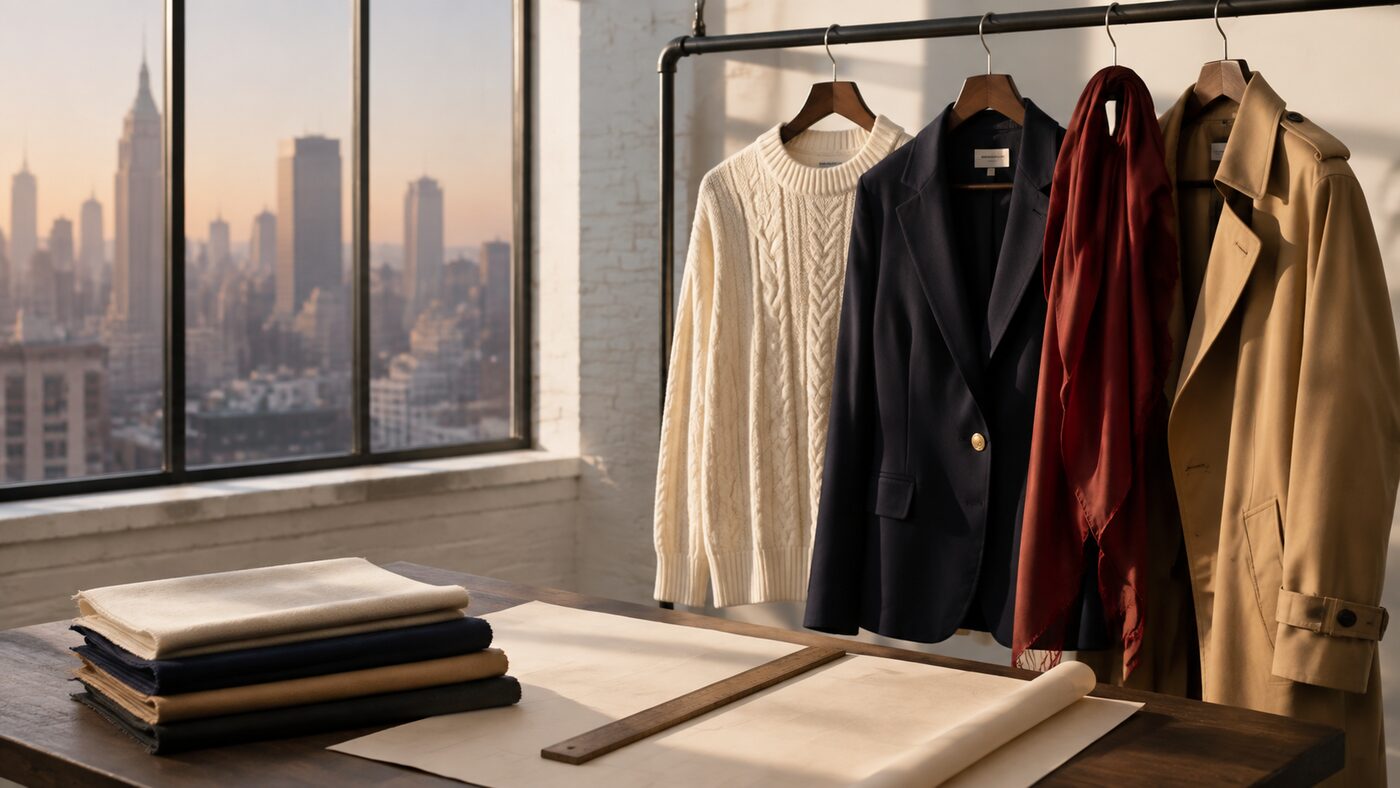
The American heritage wardrobe, restaged for a new season. Courtesy of Fashion PR Firm