A sheet of nanocellulose grown in a fermentation tank now has to hold the shape of a corset. That is the sort of problem Kering has handed to ten young designers this season, and the answers arrive in Milan.
The luxury group is sending a project called Wardrobe Edition to Milan Fashion Week. Ten designers, ten complete looks, each built from a next-generation material. The womenswear calendar runs from 22 to 28 September, set by Camera Nazionale della Moda Italiana, and the looks land in a city already full of the people who decide what gets made.
The work comes out of Kering's Material Innovation Lab, known as MIL, which sits in Milan and has spent thirteen years gathering samples. The library now holds more than 8,000 of them, drawn from over 600 manufacturers and innovators. Wardrobe Edition is the third time the lab has worked with S Style, a platform for emerging talent. The two developed the project across the past year.
The materials
The list refuses a single answer. There is bio-based nanocellulose grown through controlled microbial fermentation. Plant-derived pigments that shift with the light. Brewed protein fibers, and silk made with organic sericulture. A wool textile engineered to read like fur.
The categories keep widening. Mycelium stands in for leather. A hybrid folds in recycled polyamide pulled from end-of-life tires. A bio-based filament, meant for 3D printing, can later be recycled or composted. Each carries its own demands. A structured corset asks one thing of a fabric; a soft bag or a fluid dress asks another. Wardrobe Edition puts those differences on the body rather than on a sample card.
What broke
The useful part is the record of things going wrong. Designers adjusted backing, seam strength, thickness, adhesives, printer settings. One bio-based filament kept stretching around a machine's gears and clogging the printer before the process settled. A nanocellulose sheet needed a new bonding solution before it could take the pressure of corsetry.
A prototype proves a material can be interesting and can be made to work under set conditions. It does not prove durability across years of wear, a lower lifecycle impact, a competitive price, steady supply, or production at scale. Those are separate tests, and they come later.
A material that survives a designer's deadline has cleared the first hurdle. The factory floor is a different country.
The Splendid EditThe bigger plan
Wardrobe Edition sits inside a set of numbers Kering published in June. The group wants to cut leather intensity by 30 percent by 2028 against a 2025 baseline. It wants 40 percent alternative materials and 20 percent regenerative materials in ready-to-wear by 2035, and a fifth of its revenue coming from innovation by the same year.
The designers were paid for the work and given business and marketing guidance, which sets the project apart from incubators that trade in exposure. The lab can find and test a material. Turning it into product still depends on orders and factories. Christian Tubito, who directs the lab, has said Kering's own volumes cannot build every industrial system the next materials will need, and that more brands and manufacturers have to take part.
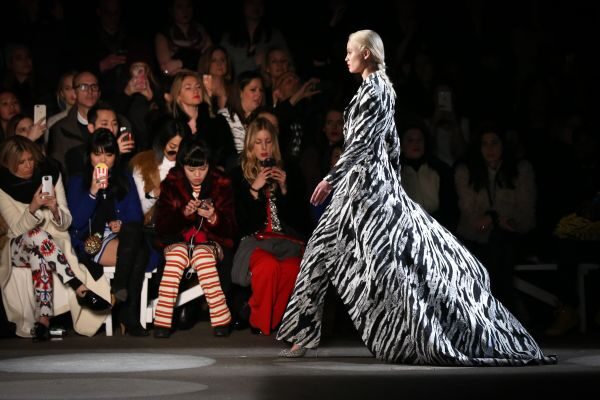
Kering's Material Innovation Lab takes ten new materials to Milan. Courtesy of Fashion PR Firm
Milan will show the looks. The harder questions follow. Whether the compositions and the suppliers get named. Whether anyone tests the garments for wear and repair. Whether a single sample becomes a line a customer can buy. For one week, the material sits on a body in front of the people who can answer.