The numbers came in on a Thursday. For the first time since Jonathan Anderson took the house, Dior sold the way LVMH needed it to.
LVMH reported first-half revenue of 38.6 billion euros, up 2 percent on an organic basis. The second quarter did the heavier work, growing 3 percent as trade improved in the United States, Japan and parts of Asia. After a flat stretch, the group wanted a direction. It got one.
Fashion and Leather Goods is the engine, and the engine had stalled. The division booked 18.15 billion euros for the half, down 5 percent as reported and 1 percent organic. Then the quarter turned. Fashion and Leather Goods posted organic growth of 1 percent between April and June, its first positive reading in more than a year.
Dior
The line the market watched was Dior. Management said the house moved back into positive territory, and it tied the shift to the first collections Anderson designed for it. His appointment was the largest wager in fashion last year. A creative hire takes months to reach a shop floor. This was the quarter it arrived.
The Cigale bag carried much of the weight. Customers took to it early, and it gave the house a commercial anchor while the ready-to-wear found its audience. Dior kept opening doors at the same time. The Bamboo Pavilion in Tokyo and a new House of Dior in Osaka handed the brand two more stages in a market that is spending again.
Louis Vuitton improved beside it. Both houses had spent recent seasons holding their ground rather than gaining it. One quarter does not settle whether luxury's creative reset works across the board. It does answer the first, narrow version of the question.
A new designer is a promise. A quarter of sales is the receipt.
The Splendid EditThe group
Jewellery held LVMH up while fashion recovered. Tiffany and Bulgari both grew double digits, and Watches and Jewellery rose 9 percent organic across the half. Sephora added 5 percent. The spread matters. The group can let a flagship division rebuild when the others keep running.
The margins stayed intact through the soft patch. LVMH posted an operating margin of 22.5 percent, free cash flow of 4.1 billion euros and net income of 5.7 billion. Those are the figures that let the company fund store openings and designer transitions in the same year without flinching.
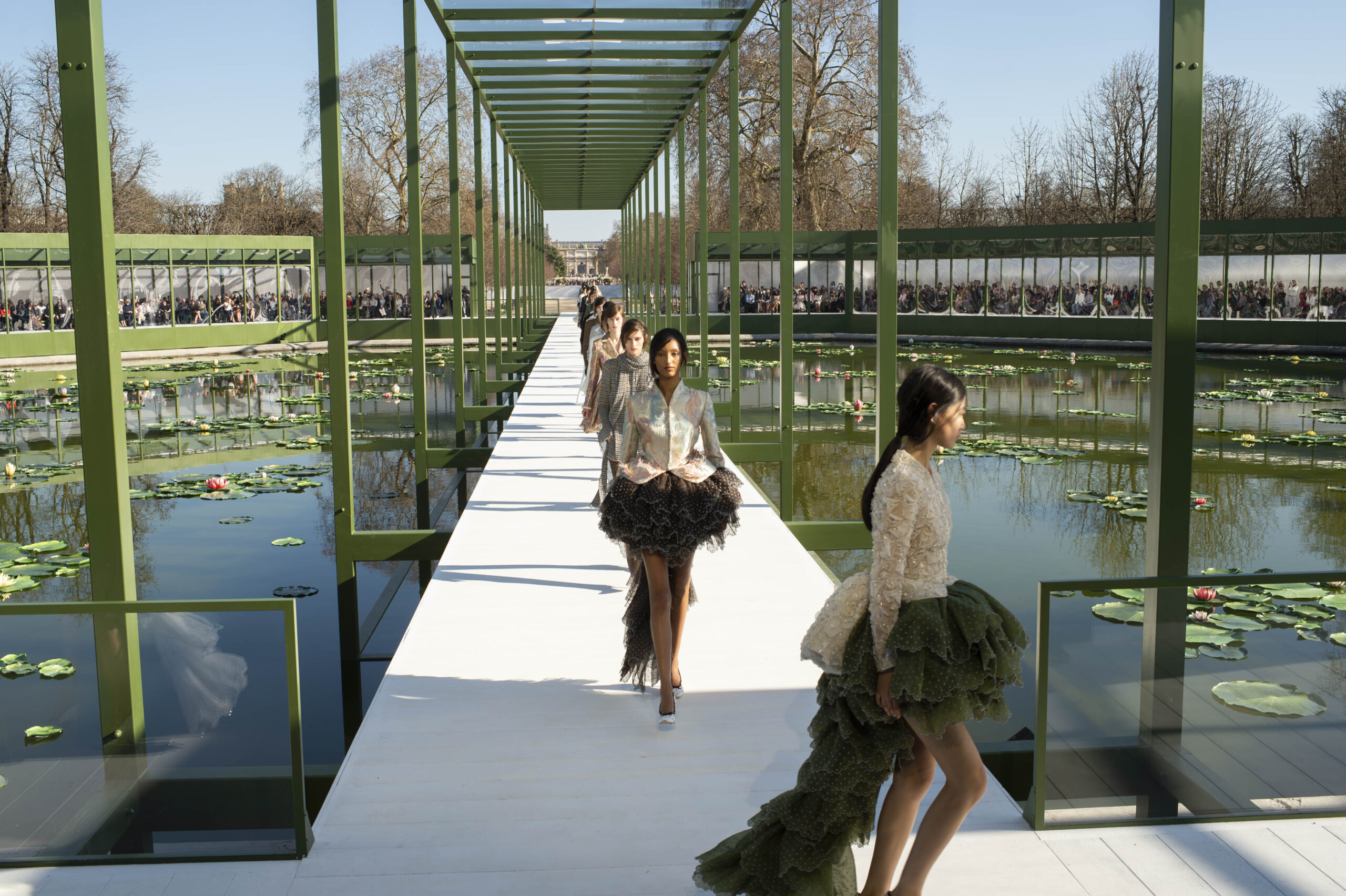
A look from Dior's autumn/winter 2026 collection, the first designed under Jonathan Anderson. Courtesy of Dior
The runway verdicts came fast last year. The commercial one takes longer, and it is only starting to read. For LVMH, the second quarter was the first page of an answer it has waited a year to hear.